Bootstrap
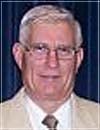
Mark Pannell

The Blessed Man

Psalm 1:1
Mark Pannell • January, 1 2012 • Video & Audio
0 Comments
Psalm 1:1 Blessed is the man that walketh not in the counsel of the ungodly, nor standeth in the way of sinners, nor sitteth in the seat of the scornful.

Sermon Transcript

Auto-generated transcript • May contain errors

100%
Well, I too welcome you as Winston
did, and I too can't think of a better place to be than in
the house of the Lord and under the preaching of the gospel on
the first day of the year. This is where we need to be,
and maybe the Lord will teach us from his word as we look.
As you see, we'll be looking at Psalm 1, the blessed man. Now, by nature, We don't know
who the blessed man is in this world, nor the ungodly man. This psalm contrasts the two.
And by nature, we don't know how to describe either one of
them or define them or distinguish them. We have to look at God's
word for these definitions if we're going to have them right.
This psalm, the first psalm, kind of sets the tone of all
the psalms. The subject is spiritual, eternal
blessedness. And it identifies the blessed
man and it distinguishes him from the ungodly, the wicked
man. Now we're going to make a distinction
right here concerning the temporal blessings of God and the eternal
right up front. We need to understand The temporal
blessings of God are on all without exception. All are blessed in
a temporal way. I mean, every breath we take,
every beat of our heart, every recovery from illness, even life
itself, every day that we're successful, those are all temporal
blessings. They come from the true and living
God, and they are on all without exception. Look at Matthew chapter
five and verse 45. God maketh his sun to rise on
the evil and on the good, and sendeth rain on the just and
on the unjust. All are under the temporal mercies
of God. The temporal goodness of God
is extended to all without exception, and his temporal mercy reaches
the elect as well as the non-elect. These temporal blessings of God
fall on the saved as well as the lost. But now let me say
this. These temporal blessings are
no indication of eternal blessedness. They're no indication that God
has saved you or has blessed you in an eternal way. You may
be the richest man in the world. You may live in the greatest
country in the world, have the greatest family in the world.
But that in and of itself is no measure, is no evidence that
God has blessed you eternally. We're going to see here what
it is to be blessed eternally. This Psalm is not about temporal
blessings, it's about God's spiritual eternal blessings. Look at Psalm
1 and verse 1. It says, Blessed is the man that
walketh not in the counsel of the ungodly, nor standeth in
the way of sinners, nor sitteth in the seat of the scornful."
As we can see from this first verse, this covers the entire
man. It covers his walking, his standing,
his sitting. It's all that a man is and all
that a man does in a spiritual sense. It's his whole person.
And the first thing we want to think about here is why is a
man blessed? Is he blessed because of something
he does? Or is he blessed for some other
reason? Well, this man, this blessed
man here, is not blessed because he does these things. In other
words, he's not blessed because he walketh not in the counsel
of the ungodly. He doesn't, but he's not blessed
because of that. He's not blessed because he doesn't
stand in the way of sinners or sit in the seat of the scornful.
Those are not the reasons why he's blessed. Rather, he does
these things because God has blessed him. Being blessed is
the reason why he is delivered from these things. His doing
is not the cause of his blessedness, rather his blessedness is the
cause of his doing. Now this is just the opposite
of our natural way of thinking. When it comes to being blessed
of God, this is not where our untaught minds would go. By nature,
we think that blessedness from God is the result of our doing. It's got something to do with
our effort. Our natural desire is to believe
that we're found in the favor of God, that we're blessed of
God because we've done something. That's what we want. That's what
we want to believe. And this is what the ungodly
in this first verse here, that's what they'll teach us. That's
what they've taught us in this world. They teach us what we
want to hear by nature. This is the counsel of the ungodly. To tell a sinner that God will
bless them if they will just do something, and you can put
whatever you want in that something there, but to tell a sinner that
is ungodly, it's wicked, it's opposed to God's testimony. What
does God say on this matter? How does God say that sinners
are blessed? Look with me at a familiar passage
in Ephesians chapter one, verses three through six. Blessed be the God and Father
of our Lord Jesus Christ, who has blessed us with all spiritual
blessings in heavenly places in Christ, according as he has
chosen us in him before the foundation of the world. that we should
be holy and without blame before him, in love having predestinated
us into the adoption of children by Jesus Christ to himself, according
to the good pleasure of his will, to the praise of the glory of
his grace, wherein he hath made us accepted in the beloved. Now you see I underlined some
words there. This passage of scripture tells
us that it's God, he's the one who's blessed sinners. And he
blessed these sinners with all spiritual blessings. Everything
involved in salvation. Everything involved in being
found in the favor of God. And he blessed these sinners
in Christ. He blessed them before the foundation
of the world. This blessing is according to
God's will. It's to the praise of the glory
of his grace. God himself has made us accepted
in the beloved, made us accepted in Christ. Do you see anything
here about a sinner doing anything in order to become blessed? No,
it's God who's done the blessing. The sinners that are blessed
have done nothing to be here. We don't even deserve to be here.
We've done nothing to deserve it. We've done nothing to obtain
it. We've made no contribution. Those that are blessed have made
no contribution toward this standing in Christ. It's God who sovereignly
chose us. It's God who made us accepted
into beloved. It's God who is blessed. Sinners
do not and cannot do anything to become blessed. It's not a
matter of a sinner doing something and moving himself into a standing
of blessedness before God. That's not even a possibility.
Rather, sinners find themselves among those whom God has blessed
from all eternity. The scripture says Noah found
grace in the eyes of the Lord. That means Noah found himself
among those that God had blessed in Christ before the foundation
of the world. He didn't do anything to get
there. He found himself in the grace of God. Psalm 1 is not
teaching a sinner how to become blessed by doing, it is rather
teaching us how to identify the man whom God has blessed. It's teaching us how to distinguish
that man from the cursed man, the wicked man, the ungodly man. It's a psalm to teach us to identify
and distinguish those whom God has blessed from those who give
no evidence of such blessing. And we'll see in this psalm that
the blessed man is three things. He is the delivered man, he is
the delighted man, and he is the determined man. So let's
look at these three things throughout this psalm and try to understand
a little about these that God has blessed. First, the blessed
man is the delivered man. He's been delivered from the
ungodly. Look back at Psalm 1 in verse
1. We saw in Ephesians 1 that this
man has been blessed from eternity. God chose him in Christ before
the world began. He was given all spiritual blessings
in Christ. So does this mean that the blessed
here, it says they walk not in the council, they stand not in
the way of sinners, they sit not in the seat of the scornful.
Does this mean that this blessed man never walked or stood or
sat with the ungodly? No, it doesn't mean that at all.
He's been there. He's done that. The counsel of
the ungodly, the way of sinners, the seed of the scornful, these
represent the natural spiritual direction of all without exception,
all of us by nature. So upfront, we need to know something.
Who are the ungodly? The ungodly in this psalm are
not the lawless, the immoral, or the profaned. They are ungodly. But that's not what this psalm
is addressing. Ungodly in this psalm is addressing a spiritual
condition. This psalm is addressing the
spiritually blessed and the spiritually ungodly. The ungodly are described
in the scriptures. And one way that they're described
is as false prophets. Look at Matthew chapter 7 and
verse 15. Christ said, beware of false
prophets which come to you in sheep's clothing, but inwardly
they are ravening wolves. You shall know them by their
fruits. The ungodly are recognized by their fruits. That's by their
doctrine. That's by what they say of God,
what they say of Christ, what they say of salvation. That's
how you recognize them. The ungodly are those who look
in appearance like the blessed. They come in sheep's clothing.
They appear to be concerned for the sheep. They appear to have
the well-being of the sheep in mind. They come preaching salvation
and they call their salvation grace. They say it's all of Christ,
but they always add something. They always add one condition. God will save you if you will
do whatever. Another way the ungodly are described
is as those who come wanting to give you counsel, wanting
to give you advice, wanting to influence your spiritual direction.
but they don't come bringing the gospel. Look at 2 John verses
9 and 10. It says, Whosoever transgresses
and abides not in the doctrine of Christ hath not God. He that abideth in the doctrine
of Christ, he hath both the Father and the Son. If there come any
unto you and bring not this doctrine, receive him not into your house,
neither bid him Godspeed. If there come any unto you trying
to get you to see yourself saved or to improve your position before
God based on what Christ has done plus something found in
you. They're not bringing to you the
gospel. They're not bringing you the doctrine of Christ. Salvation
is by grace. It's based on Christ's work and
Christ's work alone. It's found in his imputed righteousness
alone. The ungodly are those who do
not know God, nor do they seek God, nor do they worship God.
They call their salvation grace, but in reality, it's works in
disguise. Jude described the ungodly in
another certain way. Look at Jude 4. There's just
one chapter in Jude. This is the fourth verse. He
said, for there are certain men crept in unawares, already back
in Jude's day, certain men crept in unawares who were before of
old ordained to this condemnation, ungodly men, turning the grace
of our God into lasciviousness and denying the only Lord God
and our Lord Jesus Christ. Ungodly men turning the grace
of God into lasciviousness. In other words, Preaching grace,
calling it grace, but adding a condition, adding an unlawful
desire. That's what lascivious is, it's
lust or unlawful desire. The bottom line on ungodly is
they teach you that God will save you for Christ's sake if
you will do whatever. Walk an aisle, pray a prayer,
accept Christ. The end of the ungodly is eternal
destruction. We'll see this in Psalm 1 and
verse 6 when we get there, but let's look at it right now. For
the Lord knoweth the way of the righteous, but the way of the
ungodly shall perish." So we can see that the end of the ungodly
is eternal destruction, it's perishing. But the Bible is also
clear that Christ died for the ungodly and that God justifies
the ungodly. Look at a couple of verses in
Romans, 1st Romans 5, 6. It says, for when we were yet
without strength in due time, Christ died for the ungodly. And in Romans 4, 5, but to him
that worketh not, but believeth on him that justifies the ungodly,
his faith is counted for righteousness. So Christ died for the ungodly. God justifies the ungodly, but
in the end, the ungodly perish. All start out aligned with the
ungodly, as I've already said. The ungodly perish along with
all who remain aligned with them, but not all who start out among
the ungodly. Thankfully, not all of them remain
there. God shows mercy to some. He graciously
delivers some. So we must understand that the
blessed man is not the man who never walked among the ungodly. He's the man who no longer walks
there. He no longer stands or sits with
the ungodly. The blessed man is the man whom
God has graciously, mercifully delivered from these things.
And it's in his deliverance that the blessed man is identified
and distinguished from the ungodly. We'll see it's God delivering
him from these things, the counsel of the ungodly in the way of
sinners and the seed of the scornful. His deliverance from these things
is how he's made known in this world. Look back at Psalm 1 and
verse 1. Blessed is the man that walketh
not in the counsel of the ungodly. or standeth in the way of sinners,
nor sitteth in the seat of the scornful." We can easily see
here three ways in which God delivers the blessed man from
the ungodly. First, he's delivered from the
counsel of the ungodly. Now, counsel is advice. If you
seek counsel, you're seeking someone's advice. It's direction. You're seeking them to aid you,
help you, show you their direction. The blessed man is the man that
does not take his counsel. He doesn't take his advice. He
doesn't take his direction from the ungodly. He rather takes
his counsel from the scriptures. We're talking about him being
delivered now from the counsel of the ungodly. And when he's
delivered, he no longer takes his advice from these men. He
takes his advice from the scripture. Look at Romans six and verse
17. It says, but God be thanked that you were the servants of
sin, but you've obeyed from the heart, that form of doctrine,
which was delivered you. And that in the original, that
literally literally reads there, that form of doctrine to which
you were delivered. The form of doctrine is the gospel.
God has brought the blessed man to the gospel. He's taught the
blessed man of Christ. He's made the blessed man willing
in the day of his power to look outside himself, to stop looking
at something within, and to look to Christ alone. The blessed
man believes God. He takes him at his word. He's
the sinner who once took his counsel from the ungodly. He
once believed that God would save or bless him because of
something he had done. But God has now delivered him
from the counsel of the ungodly and delivered him to the word
of God. He's delivered him to the gospel. We've already looked
in depth at who the ungodly are, but the bottom line on the ungodly,
they are those in every generation who insist that sinners are saved
and blessed of God by what Christ did plus what sinners do. They gotta add that little something.
Christ died for you, but if you don't change your ways, you'll
go to hell. Christ died for you, but if you
don't walk this aisle, if you don't take this preacher's hand,
if you don't do something, you're gonna end up perishing. They
add something to what Christ did. That's the bottom line on
the ungodly. It's not Christ's death alone
under their theology. According to the ungodly, sinners
are not saved or blessed until they respond to Christ's death.
And in that, they make the sinner's response the real cause of salvation. In other words, Christ died for
everybody, but there's going to be a multitude who end up
in hell that Christ died for because they didn't respond properly
to the death of Christ. They didn't come to Christ. They
didn't believe on Christ. Whatever you put in there, this
is the counsel, the direction from which God delivers those
whom he has blessed. He delivers them from the counsel
of the ungodly. Now look back at Psalm 1 in verse
1. He not only delivers him from the counsel of the ungodly, but
he delivers him from the way of sinners. That's the second
way that the blessed man is delivered. God has delivered him from that
way. Now, what is the way of sinners?
He standeth not in the way of sinners. What is the way of sinners?
Well, first of all, it's a way that seems right unto man, but
it ends in death. Look at Proverbs 16, 25. There
is a way that seems right unto a man, but the end thereof are
the ways of death. Now that just seems natural to
all of us by nature. It comes natural to us that God's
not gonna save anybody unless we do something. I mean, salvation
totally conditioned on Christ, 100% without any contribution
from the sinner, that's not our natural way of thinking. That
has to come to us through the gospel. So it's the way that
seems right to us by nature, but that way ends in death. We
have to be delivered from that way. And it's the way of the
many as opposed to the few. Look at Matthew 7, verses 13
and 14. Enter ye in at the straight gate,
for wide is the gate and broad is the way that leads to destruction,
and many there be which go in thereat. Because straight is
the gate and narrow is the way which leads unto life, and few
there be that find it. It's the preaching, the teaching,
the religion of the ungodly that has all the buildings, all the
voice, all the numbers. They are the many in this world.
And as I said in the beginning, we all start out on that broad
way, but that broad way is leading to destruction. The way that's
leading to life is a narrow way. It's salvation in Christ and
in Christ alone, without anything from the sinner, without any
contribution from the sinner. The way of sinners is a way that
seems right to man, but it's ending in destruction, and it's
the way of the many as opposed to the few, and God graciously
delivers the blessed man from the way of sinners. He delivers
him from the way of works, salvation conditioned on Christ plus something,
to the way of grace, salvation conditioned on Christ alone.
All right, the third way he's delivered, look back at Psalm
1 and verse 1. Blessed is the man that walketh not in the counsel
of the ungodly, or standeth in the way of sinners, nor sitteth
in the seat of the scornful. Now this is the third way. The
blessed man is delivered from the ungodly by being delivered
from the seat of the scornful. Who are the scornful? That's
what we need to know here. The scornful are those who have
settled They settle down on the way of sinners under the counsel
of the ungodly. They're not irreligious men.
They're not profane and lawless men. They're religious. And they
are those who reject the religion of true grace, salvation, conditioned
on Christ alone, based on his imputed righteousness alone.
You see, it's the seat of the scornful, a seat. If you take
a seat, you settle down for at least for a little while, you
settle down. It's a place where you've decided
to stay, where you've decided to take a stand. The scornful
are those who have settled on salvation based at least in some
part on something found in themselves rather than on Christ alone.
They have rejected true grace. They're those who prefer darkness
to light. We see this in the scriptures
in John chapter three in verse 18. Christ told Nicodemus, he that
believeth on him is not condemned, but he that believeth not is
condemned already because he hath not believed in the name
of the only begotten Son of God. Believing on him whom God has
lifted up on the cross, that's the hymn here. He that believeth
on him whom God lifted up, who sent to the cross for the sins
of his elect, He went there bearing their sins and he finished the
transgression and he brought in everlasting righteousness.
He went to the cross. The hymn whom he's talking about
here is the one lifted up on the cross and he's the one lifted
up in the resurrection. God raised him from the dead
because he finished the work he'd been given to do. He put
away the sins of all he died for and brought in everlasting
righteousness by which God justifies the ungodly. So he's lifted up
on the cross, he's lifted up in the resurrection, and he's
lifted up in the gospel. That's the hymn here. The one
who's preached out when men stand and declare the true grace of
God. The one believing on Him is not condemned. Look on at
John 3, 19. It says, and this is the condemnation,
that light is coming to the world, and men love darkness rather
than light, because their deeds were evil. That light is the
gospel. That light is the declaration
of the Savior I just told you about, the one lifted up on the
cross. And in the resurrection, having finished the work, and
in the gospel, as God sends preachers in every generation to declare
Him to the world. And it says here, men love darkness
rather than light. That's what I want to talk about.
Rather than is a word of preference. They prefer the darkness to the
light. They've heard both. They were
in darkness. God sent them the gospel. They
were under the light. But they decided the darkness
was better. They decided salvation conditioned on Christ plus something
found in them was better than salvation conditioned on Christ
alone. They're the scornful. They've
scorned the grace of God. They've scorned the message of
Christ. The scornful prefer the darkness and they do so because
they've made lies their refuge. Look at Isaiah 28 verses 14 through
15. Wherefore, hear the word of the
Lord, you scornful men, that rule this people which is in
Jerusalem. Because you have said, we have
made a covenant with death, and with hell are we at agreement.
When the overflowing scourge shall pass through, it shall
not come unto us, for we have made lies our refuge, and under
falsehood have we hid ourselves. You see, the scornful of those,
even unto the prophets, It's so in every generation. The scornful
of those who hear of true grace, they hear of the Messiah, they
hear of a Savior who's doing it all, who's done it all, who
will do it all, but they don't want it. They want to go on in
their idea that they're saved by something found in them. So the blessed man is the delivered
man. If we go back to the outline,
the blessed man is the delivered man. God has delivered him from
the counsel of the ungodly. He's delivered him from the way
of sinners. He's delivered him from the seat of the scornful.
Second, the blessed man is the delighted man. Look at Psalm
1 in verse 2. But the blessed man's delight
is in the law of the Lord, and in his law doth he meditate day
and night. So he's the man who delights
in the law of the Lord. And the main difference here
between the blessed and the ungodly is why we delight in the law
of the Lord. Lost men, all men lost in their
unregenerate state, the ungodly delight in the law of God. But their delight in the law
is for the wrong reason. By nature, we see the law as
a means of acceptance with God. If you do, God will bless you. If you try, God will accept you. If you do the best you can, you'll
be found in God's favor. That's our natural thinking.
That's legalism. That's under the law for the
wrong reason. By far the majority of those
who profess to be Christians make faith, they make believing
a law. How do they do that? Well, they
make faith a law by making it a condition for salvation. If
God will not bless you or accept you or save you until you believe,
then believing is a condition. It's something a sinner must
do in order to be saved. But we read in Ephesians 1 that
God has blessed his people in Christ with all spiritual blessings. That would include all of salvation
before the world began. So to make faith a condition
is to make faith a deed of law. If you do something and that
something you did is any part of the cause of God blessing
you or accepting you or saving you, then that something, whatever
it is, has earned you salvation. You did, you obeyed, and God
rewards your obedience. These are wrong ideas taught
by misguided men. These are ideas that we all sat
under and believed and embraced at one time in our religious
lives. These wrong ideas cause lost
sinners to delight in the law for the wrong reason. The Apostle
Paul declared his delight in the law for the wrong reason. In Romans 7, verses 8 and 9,
he shows us this. He said, but sin taken occasion
by the commandment wrought in me all manner of concupiscence. For without the law, sin was
dead. For I was alive without the law
once, but when the commandment came, sin revived and I died. He said, without the law. Now
that's without Saul of Tarsus' understanding of the strictness
and severity of the law, of just what it demanded, absolute, perfect,
continual obedience if you would be accepted by God based on your
law keeping. And he said, I was alive without
the law once. When he was under the law, trying
to keep the law and gain the favor of God, he thought he had
life based on those things. He thought he was alive. But
as it turned out, it says when the commandment came, when God
showed him that that law was only fulfilled in one person,
and that person is the Lord Jesus Christ. It was fulfilled and
satisfied in the obedience of Christ alone. He said when that
commandment came, Sin revived. I saw that what I thought had
been recommended me to God was sin, and I died. I was slain by the law. The hope
of sinners is not our obedience to the law. It's Christ's obedience
unto death. Look at Galatians 4, chapter
4, verses 4 through 5. But when the fullness of the
time was come, God sent forth his son made of a woman, made
under the law to redeem them that were under the law, that
we might receive the adoption of sons. Christ came and was
made under the law to meet all the conditions, satisfy all the
requirements that that law and justice of God demanded in order
for God to be just and save ungodly sinners such as we are by nature.
And that, along with Romans 10, 4, it says, for Christ is the
end of the law for righteousness to everyone that believeth. Christ
is the end. He's the fulfillment of the law
for righteousness. You'll find righteousness in
one place, and that's in the obedience unto death. of the
Lord Jesus Christ. And we'll stand just and righteous
in God's sight based on His righteousness imputed to us, or we'll stand
along with the ungodly. Jeremiah 17 and verse 7 says,
Blessed is the man that trusteth in the Lord and whose hope the
Lord is. And Paul states that hope in
Romans 7 at the end. Look at Romans 7, 24. It says,
O wretched man that I am, Who shall deliver me from the
body of this death? Who will deliver a sinner from
an inability to measure up to the law's demand, that demand
of perfection? Who will deliver a sinner from
the law's demand, the justice of the law's demand for eternal
punishment for everyone who doesn't measure up? Who will deliver
a sinner from a desire to find some measure of confidence in
his or her doing? Who will deliver a sinner from
such thing? Look at Romans 7, 25. It says,
I thank God through Jesus Christ our Lord. So then, with the mind,
I myself serve the law of God. but with the flesh, the law of
sin." Paul recognized that he was a sinner, and that he would
be a sinner the day he died. But he said, I serve with my
mind, that converted mind, that mind that's seen law and justice
satisfied in Christ alone. He said, with my mind, I serve
the law as it's fulfilled in Christ. But I'm yet a sinner. If a sinner is blessed, accepted,
or saved, it's not because the sinner has done anything, but
rather because Christ has done everything. We are accepted in
the beloved. Salvation is of the Lord from
beginning to end. The blessed man is the delighted
man. He delights in the law of God.
for a different reason than he delighted in it by nature. He
delights in that law as he sees it honored and magnified in the
doing and dying of Christ alone. He delights in the righteousness
Christ worked out for his people. He delights in the God who justifies
the ungodly based on Christ's imputed righteousness alone.
So back to the outline, we see the blessed man as the delivered
man. He's the delighted man. And thirdly, he's the determined
man. Look at Psalm 1 in verse 3. And that blessed man shall be
like a tree planted by the rivers of water, that bringing forth
his fruit in his season, his leaf also shall not wither, and
whatsoever he doeth shall prosper. The blessed man will bring forth
his fruit, his leaf will not wither, and whatsoever he does
will, without fail, prosper. Now why is that certain? It's
certain because God has determined it to be so. The prosperity of
the blessed man has been determined by God. I'm not talking here
about the blessed man determining something for himself. I'm talking
about God determining something for him. And he's not, again,
talking about physical prosperity. The blessed man may or may not
be prosperous in this world as this world judges prosperity,
but his eternal end, is final glory. His eternal prosperity
is certain because God determined his end from the beginning. God
put him in Christ from the beginning and Christ cannot fail to bring
everyone that the Father gave him to final glory in heaven
with him. Look at Isaiah 3 and verse 10.
We're talking about God determining the end of the blessed man. Say
ye to the righteous that it shall be well with him, or they shall
eat the fruit of their doings. Who are the righteous? They're
those whom God has made righteous. Second Corinthians 5, 21, God
made Christ to be sinned that we should be made the righteousness
of God in him. Legally accounted righteous based
on his imputed righteousness alone. They are those declared
righteous. based on Christ's imputed righteousness
alone. By the grace and mercy of God
and by the work of the Spirit within, the righteous are those
who in time, though they once looked elsewhere, they in time
look to Christ alone. They believe in him whom God
has sent. They do righteousness. That's
what John wrote in his epistle. They do righteousness. They find
their hope in Christ and they abide in him alone. Look at Hebrews
10, 39. Paul said, we're not of them
who draw back into perdition, but of them that believe to the
saving of the soul. The blessed cannot draw back. They cannot fall away because
they're being kept by the grace of God unto final glory. Look
at Philippians 1 verses 3 and verse 6. Paul writes, I thank my God upon
every remembrance of you, being confident of this very thing
that he which hath begun a good work in you will perform it unto
the day of Jesus Christ. The good work begun is God beginning,
is God bringing the blessed, bringing him to Christ. sealing
him in Christ and delivering him from the ungodly, from those
who are opposed to Christ, from those who've taken a stand against
Christ in this world. He causes the blessed to delight
in his law as they see it fulfilled in Christ. He's determined their
end, final glory, and is bringing each one of them to it. Now in
this psalm, the ungodly are not left out. God addresses them
as well. Remember who they are. The ungodly
are those who insist that a sinner is not saved until they do something. Christ's death alone is not enough.
There's those that insist that there's more to salvation than
Christ's obedience unto death and that alone. Look at Psalm
1-4. Now in contrast to all that's
been said of the blessed man, the ungodly are not so, but are
like the chaff which the wind driveth away. They won't prosper. They're compared to chaff. Chaff
is that little shell of a thing that's left after the grain has
been separated from it. They toss the grain up into the
air. The wind would blow away the
chaff and the grain would fall to the ground. The chaff is that
without substance. It's not the wheat. It's not
the barley. It's just a shell. It has no
substance. And that's alluding to the religion of this world
in every generation. Like I said, they have the big
buildings, they have the huge voice, they have the numbers,
but they have no substance. They don't have the gospel. They
speak of salvation by Christ plus something found in sinners.
Look at Psalm 1 in verse 5. Therefore, it says, the ungodly
shall not stand in the judgment, nor sinners in the congregation
of the righteous. Congregation here is a gathering.
When the righteous are gathered in final judgment, the ungodly
won't be among them. In this world, the righteous,
the blessed, and the ungodly all sit together in congregations. They may be, well, according
to God's testimony, they're always wheat and tares. They're here
together in this world, but there's going to be a final separation
where they won't. The ungodly won't be there at
that final judgment among the righteous, among the blessed.
The end of both, the blessed and the ungodly, is already determined. Look at Psalm 1-6. It says, For
the Lord knoweth the way of the righteous, but the way of the
ungodly shall perish. The way of the righteous is final
glory. The Lord knows their way. That is, He's determined their
way. He's known it from the beginning. He's determined it from the beginning.
He determined it before the world began. And the way of the ungodly
is eternal death, also determined by God beforehand. That way is
determined, it's the determined end of those who refuse to be
delivered by the gospel from the counsel of the ungodly, from
the way of sinners, and from the seat of the scornful. The
25th chapter of Matthew's gospel is describing the same ungodly
sinners. It uses a little different language,
but it's describing the same ungodly sinners as this psalm
that we've looked at. So look at Matthew chapter 25
and verse 46. These, he's talking about the
ungodly, these that had no interest in Christ, these that scorn Christ,
they rejected the gospel and the Savior it reveals. These
shall go away into everlasting punishment, but the righteous
into life eternal. The command of the gospel to
all who hear it is be delivered from the ungodly. Be delivered
from their counsel, their way, their scorn. I urge all who are
listening, seek to be delivered from the ungodly. Be taught of
God. Be delivered to the gospel. Find
all your hope in Christ alone. Seek to be found among those
whom God identifies in this psalm and in other places as the blessed
man.

Comments

0 / 2000 characters
Comments are moderated before appearing.

Be the first to comment!

Joshua

Joshua

Shall we play a game? Ask me about articles, sermons, or theology from our library. I can also help you navigate the site.