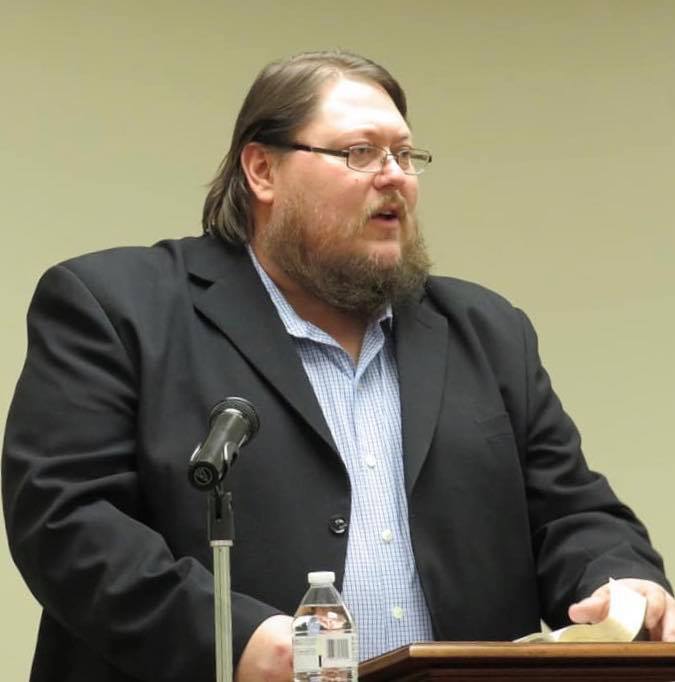
The sermon titled "He Knows" by Mikal Smith focuses on the theological doctrines of God's sovereignty, omniscience, and omnipresence as expressed in Psalm 139. The preacher underscores that God’s knowledge of humanity extends beyond mere observation; it encompasses His sovereign will and creative authority. Through various verses of Psalm 139, particularly verses highlighting God's intimate knowledge of His creation, Smith argues that God's awareness of our thoughts, actions, and circumstances reflects His divine sovereignty in predestining all events. He draws connections to God's plan for each individual, emphasizing that nothing falls outside of divine providence, which enhances the believer's understanding of God's love and care, despite one’s inherent sinfulness. The sermon encourages believers to find comfort in the truth that even in their struggles and sins, God's hand is always present, guiding and upholding them.
Key Quotes
“God knows all things because He has declared all things.”
“His right hand shall hold me. His right hand shall keep me from falling.”
“How precious also are thy thoughts unto me, O God, how great is the sum of them.”
“Within me dwells no good thing.”
The Bible teaches that God's omniscience means He knows all things, including our thoughts and actions (Psalm 139:1-6).
God's omniscience is a profound doctrine that reveals His absolute knowledge of all things. In Psalm 139, the psalmist expresses that God has 'searched me and known me,' indicating that there is nothing hidden from God. This knowledge is not passive observation; rather, it stems from God's sovereignty and purpose. He doesn't gain knowledge through observation of the future but knows because He has decreed it. In essence, God's knowledge encompasses every thought, word, and deed of every individual because He has determined the course of their lives. This truth is a comfort and a source of awe for believers, reminding us that God is intricately involved in our existence.
Psalm 139:1-6
God's sovereignty is affirmed throughout Scripture, showing that He determines all events for His purpose (Isaiah 46:10).
God's sovereignty is a foundational doctrine in Reformed theology, asserting that God is in absolute control of everything that happens. As conveyed in Psalm 139, every aspect of our lives is ordered by God. The psalmist recognizes that even in our actions and decisions, we operate within the framework that God has established. This principle is echoed in Isaiah 46:10, where God states, 'My counsel shall stand, and I will accomplish all my purpose.' The assurance of God's sovereignty fosters a sense of peace, knowing that nothing occurs outside His providential will. It is vital for the believer to understand that God's plans cannot be thwarted, and this affects both our understanding of salvation and our daily living.
Isaiah 46:10, Psalm 139
God's omnipresence assures Christians that He is always with us, providing comfort and guidance (Psalm 139:7-10).
The omnipresence of God is a crucial aspect of His nature, signifying that He is present everywhere at all times. In Psalm 139, the psalmist acknowledges this by stating that there is nowhere we can flee from God's presence. This truth should bring profound comfort to believers, especially during difficult times. It reassures us that our struggles, temptations, and emotions do not escape God's attention or care. As we navigate life's challenges, knowing that God is actively with us, leading and holding us, strengthens our faith. Thus, omnipresence encourages the believer to rely on God’s sustaining grace, as we are always under His watchful eye and protection.
Psalm 139:7-10
Psalm 139 reflects on human depravity, acknowledging that even the believer struggles with sin and requires God's grace (Romans 7:18).
Psalm 139 provides a deep introspection into the human condition, recognizing our inherent depravity. The psalmist admits that God knows the depths of his heart, including his sinful nature and thoughts. This resonates with the apostle Paul’s description of the struggle against sin in Romans 7:18, where he states, 'for I know that nothing good dwells in me, that is, in my flesh.' Every believer experiences the conflict between the old Adamic man and the new creation in Christ. This continuous warfare is a reminder that we are utterly dependent on God's grace for our sanctification and righteousness. Acknowledging our depravity should lead us to a greater appreciation of the grace we have received through Christ, further motivating us to live in accordance with God's will.
Psalm 139:23-24, Romans 7:18
Comments
Your comment has been submitted and is awaiting moderation. Once approved, it will appear on this page.
Be the first to comment!
