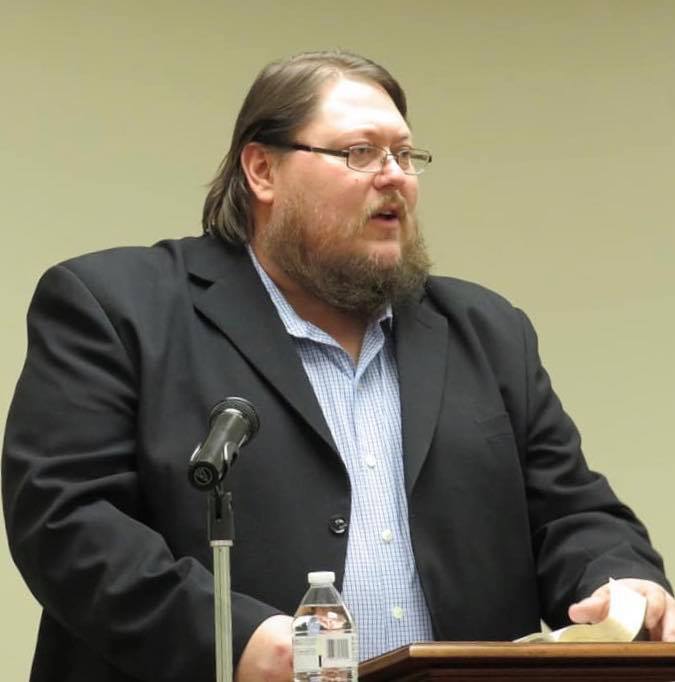
The sermon "He Is of One Mind" by Mikal Smith addresses the theological doctrine of God’s unchangeability (immutability) and emphasizes that God possesses a single, sovereign will. Smith argues against contemporary views that suggest God has multiple wills or that His plans can be altered by human decisions. He cites Job 23:13-14, asserting that God's singular purpose and decrees are definitive and cannot be overruled by external circumstances or human actions. The practical significance of this doctrine is highlighted as it brings assurance and confidence to believers in God’s faithfulness and sovereignty, particularly in the context of salvation, affirming that salvation originates from God's will, not human effort.
Key Quotes
“God's will is not influenced by anything outside of himself. God's will is not influenced or changed by our sin, by our obedience.”
“He performeth the thing that is appointed for me, and much things are with him.”
“Blessed is the man whom thou choosest and causest to approach unto thee.”
“God does whatever he pleases. That means God's will overrides all our wills.”
The Bible emphasizes God's unchangeability, asserting that He is of one mind and does not react to external circumstances (Job 23:13-14).
God's unchangeability is a core attribute of His nature showcased throughout Scripture. In Job 23:13-14, we see that God is described as being of one mind and that no one can turn Him. This speaks to His sovereign will and unalterable plans. Unlike humans, who often change course based on circumstances, God is steadfast; His decrees and purposes stand firm regardless of human actions or societal shifts. As Psalm 115:3 asserts, 'Our God is in the heavens; He does whatever He pleases.' This unchangeability serves to reinforce the trustworthiness of God, as He is not swayed by whims or decisions outside of Himself.
Job 23:13-14, Psalm 115:3
God's sovereignty is affirmed throughout the Bible as being complete and unassailable (Isaiah 46:9-10).
The truth of God's sovereignty is a foundational doctrine in historic Reformed theology, affirmed in various passages throughout Scripture. Isaiah 46:9-10 states, 'I am God, and there is none like Me, declaring the end from the beginning.' This highlights God's control over all events and His ability to decree the path of history without outside influence. Sovereignty means that His will is supreme; nothing can thwart His plans (Daniel 4:35). Therefore, understanding God's sovereignty provides comfort and assurance that He is in complete control of all things, directing them towards His ultimate purpose and glory.
Isaiah 46:9-10, Daniel 4:35
God's will of decree ensures that His purposes are fulfilled without fail, offering security to believers (Romans 8:30).
Understanding God's will of decree is essential for Christians as it reveals the nature of our relationship with Him. Romans 8:30 encapsulates this by stating, 'And those whom He predestined He also called, and those whom He called He also justified, and those whom He justified He also glorified.' This progression underscores God's active role in salvation, providing assurance that those whom He has chosen will ultimately be saved and transformed. When we acknowledge that God's decree does not rely on human effort or the unpredictability of free will, we find comfort in knowing that our salvation rests in His sovereign hands, affirming that every aspect of our faith, from calling to glorification, is sealed by His will.
Romans 8:30
It means God's actions are driven by His sovereign will and nothing can hinder His plans (Psalm 115:3).
The declaration that 'God does whatever He pleases' conveys His ultimate authority and freedom in executing His will. Psalm 115:3 states, 'Our God is in the heavens; He does whatever He pleases.' This means that God is not subject to the whims of mankind or the forces of creation. Instead, all creation exists because of His sovereign decree. For believers, this truth can be both comforting and challenging. We can rest secure in the knowledge that no event or circumstance in our lives occurs outside of His ordained plan. It also invites us to trust Him even when we might not comprehend specific situations, knowing that His purposes are good and ultimately lead to His glory.
Psalm 115:3
Understanding God's attributes is crucial as it shapes our faith and relationship with Him (Romans 9:16).
Grasping the attributes of God is foundational for Christians because they inform how we relate to Him, comprehend His actions, and engage with His Word. Romans 9:16 states, 'So then it does not depend on human will or effort but on God who shows mercy.' This underscores the truth that our salvation and relationship with God are strictly a result of His attributes—His mercy, grace, and sovereignty—rather than our own efforts. As we deepen our understanding of who He is—including His unchangeable nature, omnipotent will, and perfect justice—we are compelled to respond in worship and trust. This understanding not only strengthens our faith but also guides our interactions with others, encouraging us to reflect God's character in our lives.
Romans 9:16

Comments
Your comment has been submitted and is awaiting moderation. Once approved, it will appear on this page.
Be the first to comment!