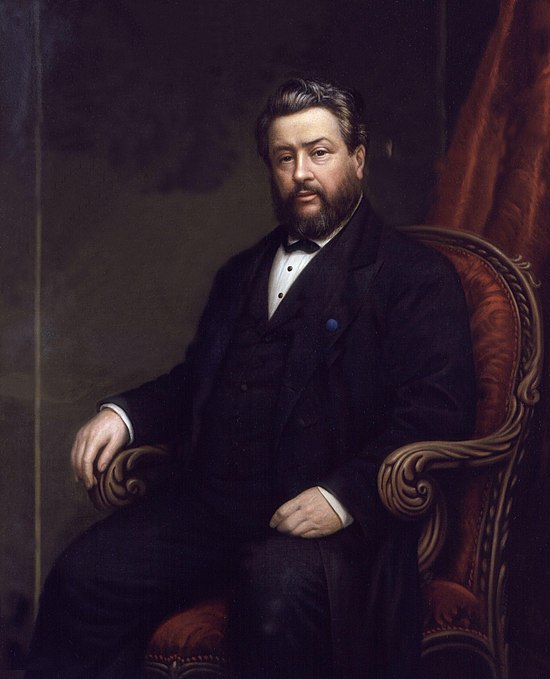
20. The Great Sacrifice
Hebrews 4:16; Philippians 4:6
In the sermon titled "The Great Sacrifice," C. H. Spurgeon emphasizes the significance of Christ’s atoning sacrifice as central to the believer's prayer life and faith. He underscores themes of repentance and acknowledgment of sin, highlighting how the Lord’s grace brings believers to confront their wickedness and the necessity of Jesus’ blood for salvation. Spurgeon draws on Hebrews 4:16 and Philippians 4:6, which underline the access believers have to God through Christ, encouraging them to come boldly to the throne of grace and to present their requests with thanksgiving. The practical significance highlighted in this sermon is the believer's call to renew their commitment to Christ, recognize the transformative power of the covenant, and live a life devoted to serving Him, thereby inviting others into the faith.
“O happy day that sealed our pardon with the precious blood of Jesus accepted by faith.”
“Lord, we see in thy crucified son a sacrifice for sin. We see how thou hast made him to be sin for us that we might be made the righteousness of God in him.”
“We crave for it and pray that we may daily receive it.”
“Thou hast loosed my bonds. The Lord liveth, and blessed be my rock. Henceforth within that rock I hide myself. For him I live.”
The Bible teaches that Jesus was the perfect sacrifice for our sins, whose blood redeems us and makes us righteous before God.
2 Corinthians 5:21, Hebrews 9:22
Jesus' sacrifice is sufficient for salvation because it was perfect, accepted by God, and fulfills the requirements of the law.
Romans 5:1, Hebrews 7:25
Understanding the blood of Christ is crucial for Christians as it signifies our redemption and relationship with God.
Hebrews 10:19-22, John 6:54
Auto-generated transcript • May contain errors

Comments
Your comment has been submitted and is awaiting moderation. Once approved, it will appear on this page.
Be the first to comment!