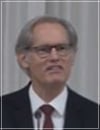
The sermon titled "Rescued By Regeneration," preached by Billy Parker, addresses the theological doctrine of regeneration as articulated in Titus 3:3-7. Parker emphasizes that salvation is solely based on God's mercy and not on human deeds, reinforcing the Reformed concept of total depravity, which asserts that no aspect of humanity is unaffected by sin. Key arguments highlight humanity's desperate condition—as spiritually dead and incapable of seeking God—drawing extensively from Scripture, including Romans 3 and Ephesians 2 to support the assertion that all are in need of divine rescue. The practical significance lies in the understanding that regeneration is a sovereign act of God, imparting new life through the Holy Spirit, which transforms believers and establishes them as heirs of eternal life, thus elevating gratitude and worship toward God for His grace.
Key Quotes
“Our rescue has nothing to do with our merit or our condition... not by works of righteousness which we have done, but according to His mercy He saved us.”
“Total depravity means total inability. There’s not one part of the soul unaffected by the fall of man.”
“In our deadness of soul, running from God, … until God gets a hold of us.”
“God bases his love upon his purpose to love, upon his covenant. I loved you because I loved you.”
The Bible teaches that regeneration is a sovereign act of God where He imparts new life to the spiritually dead through the Holy Spirit.
Regeneration, as described in Titus 3:5, emphasizes that salvation is not achieved by our works but is a result of God's mercy and the washing of regeneration by the Holy Spirit. This concept indicates that humanity, due to total depravity, is incapable of seeking God or contributing to their salvation. As asserted in Ephesians 2:1-5, we are made alive with Christ when we were spiritually dead in our sins, illustrating that regeneration is a divine work that brings about new life and faith in the believer. The Holy Spirit plays a crucial role in this process, enabling the individual to respond to the gospel and be transformed.
Titus 3:5, Ephesians 2:1-5
Total depravity is affirmed in Scripture, indicating that every part of humanity is corrupted by sin and unable to seek God.
The doctrine of total depravity explains that every aspect of humanity—mind, will, and emotions—has been affected by sin, as shown in Romans 3:10-12, which states that there is no one righteous, not even one. Additionally, Ephesians 2:1 describes humans as 'dead in trespasses and sins,' reinforcing the total inability to please God. The condition of our hearts, as noted in Scripture, suggests a profound separation from Him, emphasizing that without divine intervention, no one can come to faith. It is only through regeneration that individuals can begin to seek God, confirming the reality of total depravity.
Romans 3:10-12, Ephesians 2:1
Regeneration is essential as it marks the believer's transition from spiritual death to life, enabling them to have a relationship with God.
Regeneration is vitally important for Christians because it signifies the work of the Holy Spirit, who brings spiritual life to those who were once dead in their sins. This transformation allows believers to respond positively to God’s call and engage in a genuine relationship with Him. As stated in Titus 3:5, we are saved not by our works of righteousness but through God's mercy, highlighting the grace of God in bringing us to new life. Furthermore, regeneration is closely tied to our justification and adoption, granting us a new identity and hope as heirs of eternal life, as indicated in Titus 3:7. By understanding the importance of regeneration, Christians are encouraged to live out their faith with gratitude and obedience.
Titus 3:5, Titus 3:7
Being justified by grace means that God declares a sinner righteous solely based on faith in Christ, not by their works or merit.
The concept of being justified by grace is foundational to the Christian faith, as it emphasizes that justification is a gift from God, not something earned through human effort. According to Romans 3:23-24, all have sinned and fall short of the glory of God, yet we are justified freely by His grace through the redemption that is in Christ Jesus. This means that God acquits believers of their sins and regards them as righteous because Christ's atoning sacrifice fulfills the demands of justice. Furthermore, Titus 3:7 reinforces that we are justified by His grace, which allows believers to be seen as heirs of eternal life. Understanding justification helps believers recognize the depth of God's mercy and encourages them to live in light of that grace.
Romans 3:23-24, Titus 3:7
God's sovereign choice is the basis of regeneration, as it is His will alone that brings individuals to new life in Christ.
The relationship between God's sovereign choice and regeneration is rooted in the understanding that salvation originates from God’s eternal purpose, not human decision. Ephesians 1:4-5 emphasizes that God chose us in Him before the foundation of the world, illustrating His sovereignty in electing those who will be regenerated. Consequently, regeneration is an act of God’s grace where He imparts new life, enabling the chosen ones to respond in faith. This demonstrates that while regeneration leads to a new birth and transforms the heart, it is ultimately a work of God, highlighting His control and authority in salvation. Understanding this connection fosters a sense of humility and gratitude as believers recognize their salvation is entirely by God's design and mercy.
Ephesians 1:4-5, 2 Timothy 1:9

Comments
Your comment has been submitted and is awaiting moderation. Once approved, it will appear on this page.
Be the first to comment!