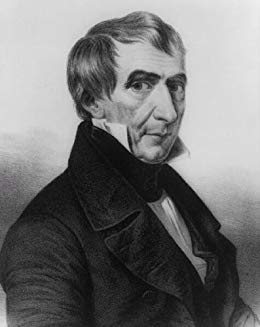
The main theological topic addressed in Henry Law's exposition of Psalm 39 is the fleeting nature of human life and the importance of self-control in speech, particularly in the face of adversities. Law argues that the Psalmist's resolve to guard his tongue is essential for maintaining holy wisdom amidst temptations to speak impulsively against evil. He references key Scriptures such as Psalm 39:4-5, which teach about human frailty and the transient nature of earthly pursuits. The practical significance of this teaching emphasizes the believer's need for patience and reliance on God's strength, encouraging prayer for deliverance from sin and the recognition that earthly life is ephemeral, leading to a deeper focus on eternal hope.
Key Quotes
“The bridled tongue avails more than indignant remonstrance.”
“Every man at his best state is altogether vanity.”
“What do I wait for? My hope is in You.”
“It is good to realize that this present world is not our rest.”
What does the Bible say about the brevity of life?
The Bible teaches that human life is fleeting and ultimately vain without a focus on God.
Psalm 39:5, 2 Corinthians 4:18
How do we know our hope is in God?
Believers are assured of their hope in God through prayer and the anticipation of His deliverance.
Psalm 39:7
Why is it important to guard our speech?
Guarding our speech reflects wisdom and brings forth spiritual maturity amidst provocation.
Psalm 39:1, Galatians 5:22-23
The Psalmist resolves to be guarded in his speech. He reflects on the brevity of human life, and the vanity of earthly show. He prays in prospect of his near departure.
1, 2, 3. "I said, I will take heed to my ways, that I sin not with my tongue; I will keep my mouth with a bridle, while the wicked is before me. I was dumb with silence; I held my peace, even from good; and my sorrow was stirred. My heart was hot within me; while I was musing the fire burned; then I spoke with my tongue."
A grievous picture meets our eyes. Sad it is, and sadly common. The children of God are surrounded by the children of the evil one. Provocations press them to utter strong reproof; but holy wisdom restrains impatient utterance. The bridled tongue avails more than indignant remonstrance. But the inward agitation, like smoldering embers, will break forth in flames.
Again we see the meek and lowly Jesus. Amid the frantic fury and cruel mockings of His unjust judges and the raging crowd, no railing word breaks from His holy lips.
4. "Lord, make me to know my end, and the measure of my days, what it is; that I may know how frail I am."
Troubles find mitigation in the thought that they are linked to fleeting time, and soon must reach their end. Sense of brief tenure and near dissolution check all outbreaks of impatience. Therefore it is good to pray, 'Lord, teach us our frailty.'
5, 6. "Behold, You have made my days as a handbreadth, and my age is as nothing before You; verily every man at his best state is altogether vanity. Surely every man walks in a vain show; surely they are disquieted in vain; he heaps up riches and knows not who shall gather them."
The tiniest time is a fitting emblem of an earthly course. Its measure is as nothing when compared with eternal things. The things which are seen are temporal, the things which are not seen are eternal.
Look at the state which worldlings prize as the pinnacle of bliss. Let riches abound, and honors crown the brow, and power raise to loftiest station; let health bloom brightly, and strength nerve the limbs, let no worldly wish be ungratified—the whole is but a shadow, an empty husk, an unsubstantial facade. It is as the flower of the grass—green in the morning, in the evening dry and withered. The riches piled with toil, anxiety, and ceaseless effort, must be left. To whom? Uncertainty conceals the heir. No mind can tell who shall get them.
7. "And now, Lord, what do I wait for? my hope is in You."
The believer waits in full assurance that aid will come from heaven in God's good time. Let all trials be welcomed which brighten the rays of godly hope.
8, 9, 10, 11. "Deliver me from all my transgressions; make me not the reproach of the foolish. I was dumb, I opened not my mouth, because you did it. Remove Your stroke away from me; I am consumed by the blow of Your hand. When You with rebukes correct man for iniquity, You make his beauty to consume away like a moth; surely every man is vanity."
Consciousness of sin as the indwelling root of suffering will always abide, and should always prompt the prayer for deliverance by the mighty power of grace; and this prayer should be quickened by the fear lest the ungodly should gain advantage, and impiously exult. The resolve should be renewed to endure patiently, from persuasion that the hand of God thus chastens, that the fruits of righteousness should spring up. Reiterated prayer calls for withdrawal of the heavy hand. The feeble and the withered look soon shows the anguish of the afflicted heart. Behold the moth-eaten garment, unsound and rotten—it is the emblem of the countenance of the sin-stricken.
12, 13. "Hear my prayer, O Lord, and give ear to my cry; hold not Your peace at my tears; for I am a stranger with You, and a sojourner, as all my fathers were. O spare me, that I may recover strength, before I go hence and be no more."
When troubles increase, prayers should grow more earnest. It is good to realize that this present world is not our rest. Our abiding city is not on earth. Where are our fathers? Are we better than they? But they are gone; and as they went, we follow. But it should be our deep desire that our last days should be our best, and that as life fades our faith should more exalt the praises of our God. For this we need increase of grace. May we be so strengthened that our departing steps may show the upward path, and allure beholders to follow our example!

Comments
Your comment has been submitted and is awaiting moderation. Once approved, it will appear on this page.
Be the first to comment!