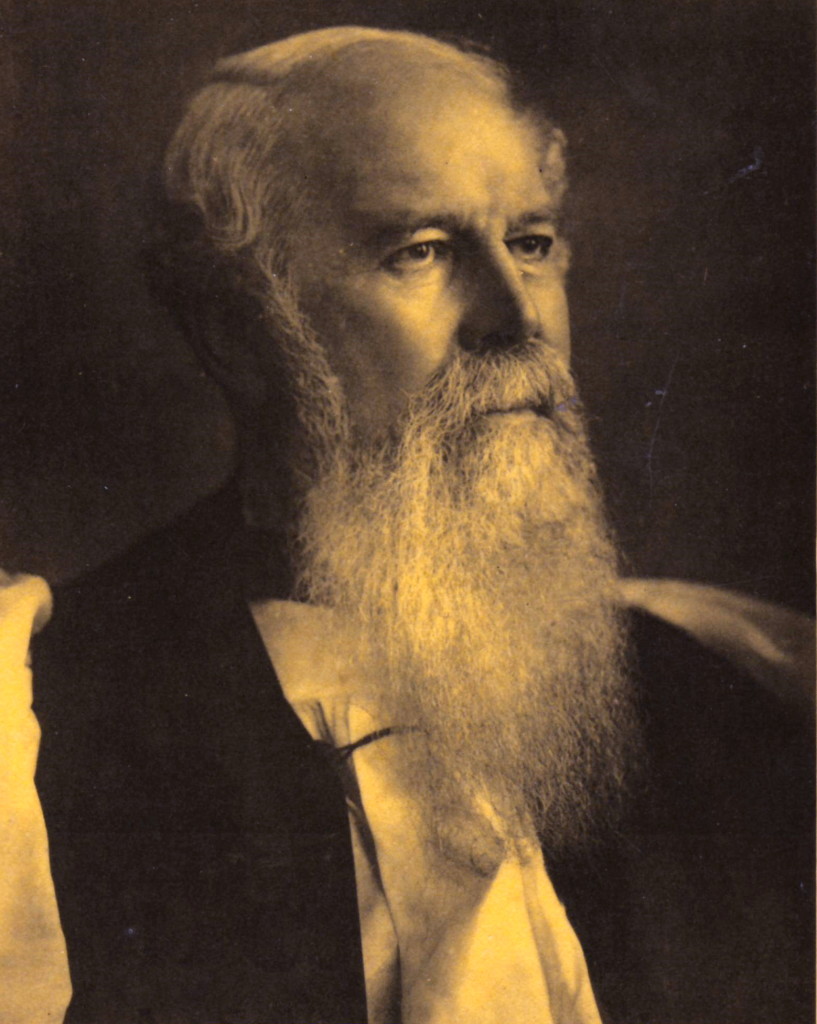
J.C. Ryle’s exposition on Matthew 26:14-25 emphasizes the treachery of Judas Iscariot, the emblematic figure of betrayal within Christian theology. Ryle argues that despite possessing significant religious privileges—being an apostle, witnessing Christ's miracles, and participating in ministry—Judas's failure to genuinely believe highlights the danger of external religiosity without true heart conversion. This point is substantiated through Ryle's reference to 1 Timothy 6:10 regarding the love of money, illustrating how unchecked covetousness can lead to spiritual ruin, as evidenced by biblical stories of betrayal for monetary gain. Ryle concludes with a significant warning regarding the hopeless fate of the unconverted, supported by Christ's declaration that it would have been better for Judas if he had never been born, underscoring hell's eternal nature and the urgency of genuine faith. The doctrinal significance of this passage reveals the necessity of authentic faith and the peril of complacency within the church.
Key Quotes
“A man may enjoy great privileges and make a great religious profession and yet his heart all the time may not be right before God.”
“Once let it get the mastery and it will harden paralyze scorch freeze blight and wither our souls.”
“To die in this state is to be ruined forever more. It is a fall from which there is no rising.”
“Better... have no being than not have a being in Christ.”
What does the Bible say about Judas Iscariot's betrayal?
The Bible depicts Judas Iscariot as a chosen apostle who betrays Jesus for thirty pieces of silver, highlighting the depths of human wickedness.
Matthew 26:14-25
Why is the love of money dangerous for Christians?
The love of money is called the root of all evil in Scripture, illustrating its ability to ensnare and ruin souls.
1 Timothy 6:10
What does the Bible say about the consequences of dying unconverted?
The Bible teaches that dying unconverted leads to eternal ruin, marking it as worse than never having been born.
Matthew 26, Mark 9:44
We read in the beginning of this passage, how our Lord Jesus Christ was betrayed into the hands of His deadly enemies. The priests and scribes, however anxious to put him to death, were at a loss how to effect their purpose, for fear of an uproar among the people. At this juncture a fitting instrument for carrying out their designs, offered himself to them, in theperson of Judas Iscariot. That false apostle undertook to deliver his Master into their hands, for thirty pieces of silver.
There are few blacker pages in all history, than the character and conduct of Judas Iscariot. There is no more dreadful evidence of the wickedness of man. A poet of our own has said, that "sharper than a serpent's tooth is a thankless child." But what shall we say of a disciple who could betray his own Master— an apostle who could sell Christ? Surely this was not the least bitter part of the cup of suffering which our Lord drank.
Let us learn, in the first place, from these verses, that a man may enjoy great privileges, and make a great religious profession, and yet his heart all the time may not be right before God.
Judas Iscariot had the highest possible religious privileges. He was a chosen apostle, and companion of Christ. He was an eye-witness of our Lord's miracles, and a hearer of His sermons. He saw what Abraham and Moses never saw, and heard what David and Isaiah never heard. He lived in the society of the eleven apostles. He was a fellow-laborer with Peter, James, and John. But for all this his heart was never changed. He clung to one darling sin.
Judas Iscariot made a reputable profession of religion. There was nothing but what was right, and proper, and becoming in his outward conduct. Like the other apostles, he appeared to believe and to give up all for Christ's sake. Like them he was sent forth to preach and work miracles. No one of the eleven appears to have suspected him of hypocrisy. When our Lord said, "One of you shall betray me," no one said, "Is it Judas?" Yet all this time his heart was never changed.
We ought to observe these things. They are deeply humbling and instructive. Like Lot's wife, Judas is intended to be a beacon to the whole church. Let us often think about him, and say, as we think, "Search me, O Lord, and try my heart, and see if there be any wicked way in me." Let us resolve, by God's grace, that we will never be content with anything short of sound, thorough, heart conversion.
Let us learn, in the second place, from these verses, that the love of money is one of the greatest snares to a man's soul. We cannot conceive a clearer proof of this, than the case of Judas. That wretched question, "What will you give me?" reveals the secret sin which was his ruin. He had given up much for Christ's sake, but he had not given up his covetousness.
The words of the apostle Paul should often ring in our ears, "the love of money is the root of all evil." (1 Tim. 6:10.) The history of the Church abounds in illustrations of this truth. For money Joseph was sold by his brethren. For money Samson was betrayed to the Philistines. For money Gehazi deceived Naaman, and lied to Elisha. For money Ananias and Sapphira tried to deceive Peter. For money the Son of God was delivered into the hands of wicked men. Astonishing indeed does it seem that the cause of so much evil should be loved so well.
Let us all be on our guard against the love of money. The world is full of it in our days. The plague is abroad. Thousands who would abhor the idea of worshiping Juggernaut, are not ashamed to make an idol of gold. We are all liable to the infection, from the least to the greatest. We may love money without having it, just as we may have money without loving it. It is an evil that works very deceitfully. It carries us captives before we are aware of our chains. Once let it get the mastery, and it will harden, paralyze, scorch, freeze, blight, and wither our souls. It overthrew an apostle of Christ. Let us take heed that it does not overthrow us. One leak may sink a ship. One unmortified sin may ruin a soul.
We ought frequently to call to mind the solemn words, "What shall it profit a man if he gains the whole world, and lose his own soul?" "We brought nothing into this world, and it is certain we can carry nothing out." Our daily prayer should be, "Give me neither poverty nor riches. Feed me with the food that is needful for me." (Prov. 30:8.) Our constant aim should be to be rich in grace. Those who "will be rich" in worldly possessions often find at last that they have made the worst of bargains. Like Esau, they have bartered an eternal portion for a little temporary gratification. Like Judas Iscariot, they have sold themselves to everlasting perdition.
Let us learn, in the last place, from these verses, the hopeless condition of all who die unconverted. The words of our Lord on this subject are peculiarly solemn. He says of Judas, "It would have been better for that man, if he had not been born." This saying admits of only one interpretation. It teaches plainly, that it is better never to live at all, than to live without faith, and to die without grace. To die in this state is to be ruined forever more. It is a fall from which there is no rising. It is a loss which is utterly irretrievable. There is no change in hell. The gulf between hell and heaven is one that no man can pass.
This saying could never have been used, if there was any truth in the doctrine of 'universal salvation'. If it really was true that all would sooner or later reach heaven, and hell sooner or later be emptied of inhabitants, it never could be said that it would have been "good for a man not to have been born." Hell itself would lose its terrors, if it had an end. Hell itself would be endurable, if after millions of ages there was a HOPE of freedom and of heaven. But universal salvation will find no foot-hold in Scripture. The teaching of the word of God is plain and express on the subject. There is a worm that never dies, and a fire that is not quenched (Mark 9:44.) "Except a man be born again," he will wish one day he had never been born at all. "Better," says Burkitt, "have no being, than not have a being in Christ."
Let us grasp this truth firmly, and not let it go. There are always people who dislike the reality and eternity of hell. We live in a day when a morbid charity induces many to exaggerate God's mercy, at the expense of His justice, and when false teachers are daring to talk of a "love of God, lower even than hell." Let us resist such teaching with a holy jealousy, and abide by the doctrine of Holy Scripture. Let us not be ashamed to walk in the old paths, and to believe that there is an eternal God, an eternal heaven, and an eternal hell. Once depart from this belief, and we admit the thin edge of the wedge of skepticism, and may at last deny any doctrine of the Gospel. We may rest assured that there is no firm standing ground between a belief in the eternity of hell, and downright infidelity.

Comments
Your comment has been submitted and is awaiting moderation. Once approved, it will appear on this page.
Be the first to comment!