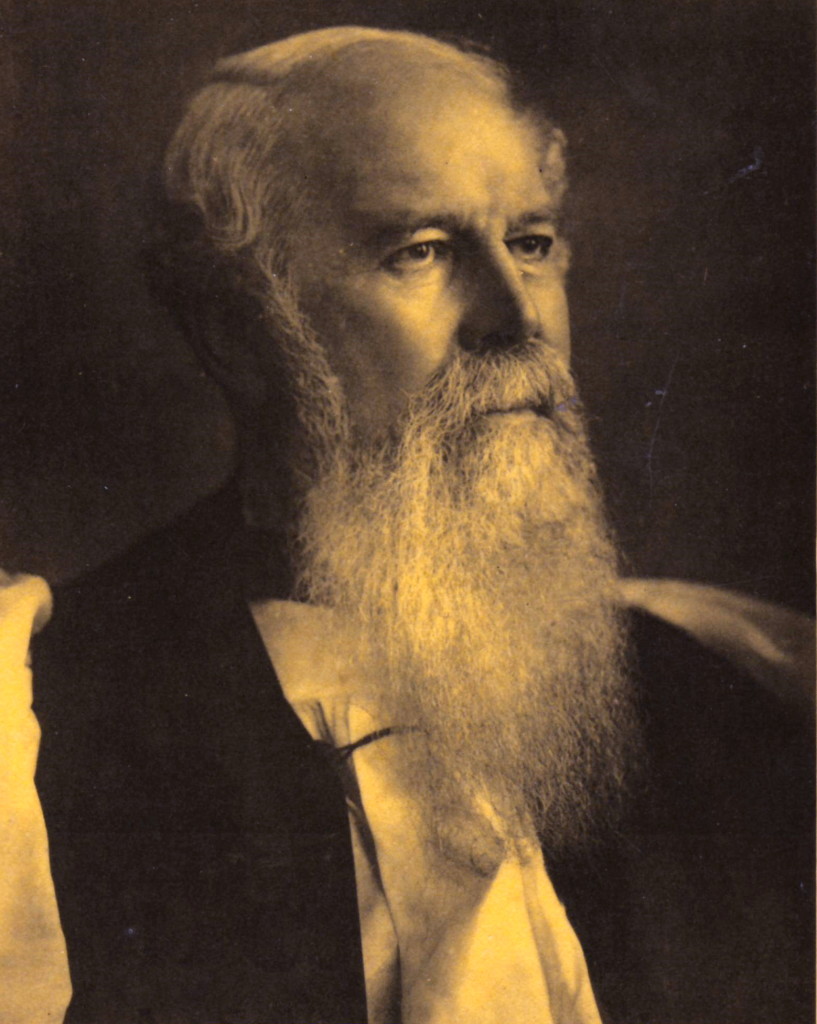
The main theological topic addressed in J.C. Ryle's reflections on Luke 22:39-46 is the significance of prayer in times of trouble, particularly exemplified by Jesus in the Garden of Gethsemane. Ryle emphasizes that the model of Jesus' prayer, expressing both desire and submission to God's will, serves as an instructive pattern for believers. He cites Scripture, such as Psalm 50:15 and James 5:13, to illustrate that prayer is the divinely ordained response to distress, highlighting Jesus’ plea, "If you are willing, remove this cup from me; nevertheless not my will, but yours be done," (Luke 22:42) as a demonstration of true submission. Ryle asserts that understanding the agony of Christ elucidates the guilt of sin and calls believers to seek comfort and strength through prayer, underscoring the practical importance of aligning one's will with God's purpose.
Key Quotes
“Let us take care that we use our Master's remedy if we want comfort in affliction.”
“Submission of will like this is one of the brightest graces which can adorn the Christian character.”
“We must cling firmly to the old doctrine that Christ was bearing our sins both in the garden and on the cross.”
“When apostles can behave in this way, the Christian who thinks he stands should take heed lest he fall.”
What does the Bible say about prayer in times of trouble?
The Bible emphasizes prayer as crucial during affliction, as demonstrated by Jesus in the Garden of Gethsemane.
Psalm 50:15, James 5:13
How do we know that Jesus prayed in the Garden of Gethsemane?
The Gospel of Luke records Jesus praying in the Garden of Gethsemane, demonstrating His reliance on God.
Luke 22:39-46
Why is Jesus' prayer in Gethsemane important for Christians?
Jesus' prayer exemplifies the importance of submission to God's will, even amid deep distress.
Luke 22:41-42
What does the agony of Jesus in the garden teach us about sin?
Jesus' agony reveals the seriousness and weight of sin, as He bore its burden in profound distress.
2 Corinthians 5:21, Isaiah 53:6
Why did the disciples fall asleep during Jesus' prayer?
The disciples' sleep exemplifies human weakness and the struggle to remain spiritually vigilant.
Luke 22:40
JESUS PRAYS ON THE MOUNT OF OLIVES.
The verses before us contain Luke's account of our Lord's agony in the garden. It is a passage of Scripture which we should always approach with peculiar reverence. The history which it records is one of the "deep things of God." While we read it, the words of Exodus should come across our minds, "Put off your shoes from off your feet; the place whereon you stands is holy ground." (Exod. 3:5.)
We see, firstly, in this passage, an example of what believers ought to do in time of trouble. The great Head of the Church Himself supplies the pattern. We are told that when He came to the Mount of Olives, the night before He was crucified, "He knelt down and prayed."
It is a striking fact, that both the Old and New Testaments give one and the same receipt for bearing trouble. What does the book of Psalms say? "Call upon me in the time of trouble—I will deliver you." (Psalm 50:15.) What does the apostle James say? "Is any afflicted? let him pray." (James v. 13.) Prayer is the remedy which Jacob used, when he feared his brother Esau. Prayer is the remedy which Job used when property and children were suddenly taken from him. Prayer is the remedy which Hezekiah used when Sennacherib's threatening letter arrived. And prayer is the remedy which the Son of God Himself was not ashamed to use in the days of His flesh. In the hour of His mysterious agony He "prayed."
Let us take care that we use our Master's remedy, if we want comfort in affliction. Whatever other means of relief we use, let us pray. The first Friend we should turn to ought to be God. The first message we should send ought to be to the throne of grace. No depression of spirits must prevent us. No crushing weight of sorrow must make us speechless. It is a prime device of Satan, to supply the afflicted man with false reasons for keeping silence before God. Let us beware of the temptation to brood sullenly over our wounds. If we can say nothing else, we can say, "I am oppressed—undertake for me." (Isaiah. 38:14.)
We see, secondly, in these verses, what kind of prayers a believer ought to make to God in time of trouble. Once more the Lord Jesus Himself affords a model to His people. We are told that He said, "Father, if you are willing, remove this cup from me—nevertheless, not my will, but yours be done." He who spoke these words, we must remember, had two distinct natures in one Person. He had a human will as well as a divine. When He said, "Not my will be done," He meant that will which He had as a man, with a body, flesh and blood, like our own.
The language used by our blessed Master in this place shows exactly what should be the spirit of a believer's prayer in his distress. Like Jesus, he should tell his desires openly to his heavenly Father, and spread His wishes unreservedly before Him. But like Jesus, he should do it all with an entire submission of will to the will of God. He should never forget that there may be wise and good reasons for His affliction. He should carefully qualify every petition for the removal of crosses with the saving clause, "If you are willing." He should wind up all with the meek confession, "Not my will, but yours be done."
Submission of will like this is one of the brightest graces which can adorn the Christian character. It is one which a child of God ought to aim at in everything, if he desires to be like Christ. But at no time is such submission of will so needful as in the day of sorrow, and in nothing does it shine so brightly as in a believer's prayers for relief. He who can say from his heart, when a bitter cup is before him, "Not my will, but yours be done," has reached a high position in the school of God.
We see, thirdly, in these verses, an example of the exceeding guilt and sinfulness of sin. We are meant to learn this in Christ's agony and bloody sweat, and all the mysterious distress of body and mind which the passage describes. The lesson at first sight may not be clear to a careless reader of the Bible. But the lesson is there.
How can we account for the deep agony which our Lord underwent in the garden? What reason can we assign for the intense suffering, both mental and bodily, which He manifestly endured? There is only one satisfactory answer. It was caused by the burden of a world's imputed sin, which then began to press upon Him in a peculiar manner. He had undertaken to be "sin for us"— to be "made a curse for us"—and to allow our iniquities to be laid on Himself. (2 Cor. 5:21; Gal. 3:13; Isaiah. 53:6.) It was the enormous weight of these iniquities which made Him suffer agony. It was the sense of a world's guilt pressing Him down which made even the eternal Son of God sweat great drops of blood, and called from Him "strong crying and tears." The cause of Christ's agony was man's sin. (Heb. 5:7.)
We must beware jealously of the modern notion that our blessed Lord's life and death were nothing more than a great example of self-sacrifice. Such a notion throws darkness and confusion over the whole Gospel. It dishonors the Lord Jesus, and represents Him as less resigned in the day of death than many a modern martyr. We must cling firmly to the old doctrine that Christ was "bearing our sins," both in the garden and on the cross. No other doctrine can ever explain the passage before us, or satisfy the conscience of guilty man.
Would we see the sinfulness of sin in its true colors? Would we learn to hate sin with a godly hatred? Would we know something of the intense misery of souls in hell? Would we understand something of the unspeakable love of Christ? Would we comprehend Christ's ability to sympathize with those that are in trouble? Then let the agony in the garden come often into our minds. The depth of that agony may give us some idea of our debt to Christ.
We see, lastly, in these verses, an example of the feebleness of the best of saints. We are told that while our Lord was in agony, His disciples fell asleep. In spite of a plain injunction to pray, and a plain warning against temptation the flesh overcame the spirit. While Christ was sweating great drops of blood, His apostles slept!
Passages like these are very instructive. We ought to thank God that they have been written for our learning. They are meant to teach us humility. When apostles can behave in this way, the Christian who thinks he stands should take heed lest he fall. They are meant to reconcile believers to death, and make them long for that glorious body which they will have when Christ returns. Then, and not until then, shall we be able to wait upon God without bodily weariness, and to serve Him day and night in His temple.

Comments
Your comment has been submitted and is awaiting moderation. Once approved, it will appear on this page.
Be the first to comment!