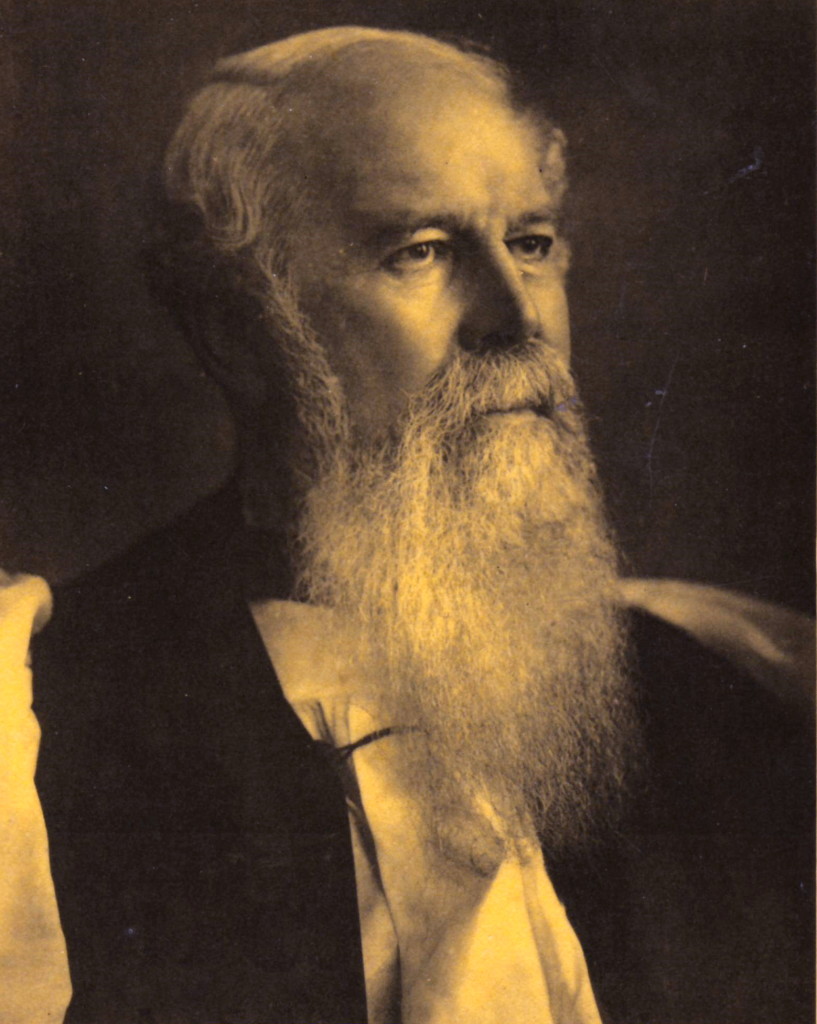
In "Expository Thoughts on Luke 22:47-53," J.C. Ryle addresses the themes of betrayal, the ease of active versus passive faith, and the sovereignty of God over evil. Ryle highlights the treachery of Judas Iscariot, emphasizing that the most heinous acts can be performed under the guise of piety and love, citing examples from biblical and historical contexts (e.g., 1 Kings 21:9-10). He argues that while it is easier to engage in active displays of faith, true discipleship often requires enduring suffering and patience, as exemplified by the Apostle Peter's actions in Acts 4:20. Ryle concludes by asserting the absolute sovereignty of God, affirming that the period of evil is limited and under divine control, encouraging believers with the hope of eventual restoration and light amidst trials.
Key Quotes
“To injure the cause of religion under any circumstances is a great sin, but to injure it while we pretend to show kindness is the blackest of crimes.”
“The grand test of grace is patient suffering.”
“The hands of the wicked cannot stir one moment before God allows them to begin and cannot stir one moment after God commands them to stop.”
“Even at the worst we may boldly say, The night is far spent and the day is at hand.”
What does the Bible say about Judas Iscariot's betrayal?
The Bible describes Judas Iscariot's betrayal as an act of wickedness done under the pretense of affection for Christ.
Luke 22:47-53, 1 Kings 21:9-10
Why is enduring suffering for Christ important?
Enduring suffering for Christ demonstrates true faith and is often a greater test of grace than active work.
Acts 4:20, Acts 9:16
How do we know God's sovereignty over evil is true?
God's sovereignty assures us that even in times of evil, He remains in complete control over all circumstances.
Romans 1:4, Romans 13:12
JESUS ARRESTED.
We should learn, for one thing, from these verses, that the worst and most wicked acts may be done under a show of love to Christ. We read that when the traitor Judas brought the enemies of Christ to take Him, he betrayed Him "with a kiss." He made a pretense of affection and respect, at the very moment when he was about to deliver his Master into the hands of his deadliest enemies.
Conduct like this, unhappily, is not without its parallels. The pages of history record many an instance of enormous wickedness wrought out and perfected under the garb of religion. The name of God has too often been pressed into the service of persecution, treachery, and crime. When Jezebel would have Naboth killed, she ordered a "fast to be proclaimed," and false witnesses to accuse him of "blaspheming God and the king." ( 1 Kings 21:9-10.) When Count de Montfort led a crusade against the Albigenses, he ordered them to be murdered and pillaged, as an act of service to Christ's Church. When the Spanish Inquisition tortured and burned suspected heretics, they justified their abominable dealings by a profession of zeal for God's truth. The false apostle Judas Iscariot has never lacked successors and imitators. There have always been men ready to betray Christ with a kiss, and willing to deliver the Gospel to its enemies under a show of respect.
Conduct like this, we need not doubt, is utterly abominable in the sight of God. To injure the cause of religion under any circumstances is a great sin, but to injure it while we pretend to show kindness is the blackest of crimes. To betray Christ at any time is the very height of wickedness, but to betray Him with a kiss, proves a man to have become a very child of hell.
We should learn, for another thing, from these verses, that it is much easier to fight a little for Christ, than to endure hardness and go to prison and death for His sake. We read that when our Lord's enemies drew near to take Him, one of His disciples "smote the servant of the high priest, and cut off his right ear." Yet the zeal of that disciple was very short-lived. His courage soon died away. The fear of man overcame him. By and bye when our Lord was led away prisoner, he was led away alone. The disciple who was so ready to fight and smite with the sword, had actually forsaken his Master and fled!
The lesson before us is deeply instructive. To suffer patiently for Christ is far more difficult than to work actively. To sit still and endure calmly, is far more hard than to stir about and take part in the battle. 'Crusaders' will always be found more numerous than 'Martyrs'. The passive graces of religion are far more rare and precious than the active graces. Work for Christ may be done from many spurious motives—from excitement, from emulation, from party- spirit, or from love of praise. Suffering for Christ will seldom be endured from any but one motive. That motive is the grace of God.
We shall do well to remember these things in forming our estimate of the comparative grace of professing Christians. We err greatly if we suppose that those who do public work, and preach, and speak, and write, and fill the eyes of the Church, are those who are most honorable in God's sight. Such men are often far less esteemed by Him than some poor unknown believer, who has been lying for years on his back, enduring pain without a murmur. Their public efforts perhaps will prove at last to have brought less glory to Christ than his patience, and to have done less good than his prayers.
The grand test of grace is patient suffering. "I will show Saul," said the Lord Jesus, "what great things he shall suffer for my name." (Acts 9:16.) Peter, we may be sure, did far less good when he drew his sword and cut off a man's ear, than he did when be stood calmly before the council as a prisoner, and said, "We cannot but speak the things which we have seen and heard." (Acts 4:20.)
We should learn, lastly, from these verses, that the time during which evil is permitted to triumph is fixed and limited by God. We read that our Lord said to His enemies when they took Him, "This is your hour and the power of darkness."
The sovereignty of God over everything done upon earth is absolute and complete. The hands of the wicked are bound until He allows them to work. They can do nothing without His permission. But this is not all. The hands of the wicked cannot stir one moment before God allows them to begin, and cannot stir one moment after God commands them to stop. The very worst of Satan's instruments are 'working in chains'. The devil could not touch Job's property or person until God allowed him. He could not prevent Job's prosperity returning, when God's designs on Job were accomplished. Our Lord's enemies could not take and slay him, until the appointed "hour" of His weakness arrived. Nor yet could they prevent His rising again, when the hour came in which He was declared the Son of God with power, by His resurrection from the dead. (Rom. 1:4.) When He was led forth to Calvary, it was "their hour." When He rose victorious from the grave, it was His.
The verses before us throw light on the history of believers in ages gone by, from the time of the apostles down to the present day. They have often been severely oppressed and persecuted, but the hand of their enemies has never been allowed entirely to prevail. The "hour" of their trials has generally been succeeded by a season of light. The triumph of their enemies has never been entire and complete. They have had their "hour," but they have had no more. After the persecution about Stephen, came the conversion of Paul. After the martyrdom of John Huss, came the German Reformation. After the Marian persecution, came the establishment of English Protestantism. The longest night has had its morning. The sharpest winters have been followed by spring. The heaviest storms have been changed for blue sky.
Let us take comfort in these words of our Lord, in looking forward to our own future lives. If we are followers of Christ, we shall have an "hour" of trial, and it may be a long hour too. But we may rest assured that the darkness shall not last one moment longer than God sees fit for us. In His good time it shall vanish away. "At evening time there shall be light."
Finally, let us take comfort in these words of our Lord, in looking forward to the future history of the Church and the world. Clouds and darkness may gather round the ark of God. Persecutions and tribulations may assail the people of God. The last days of the Church and world will probably be their worst days. But the "hour" of trial, however grievous, will have an end. Even at the worst we may boldly say, "The night is far spent and the day is at hand." (Rom. 13:12.)

Comments
Your comment has been submitted and is awaiting moderation. Once approved, it will appear on this page.
Be the first to comment!