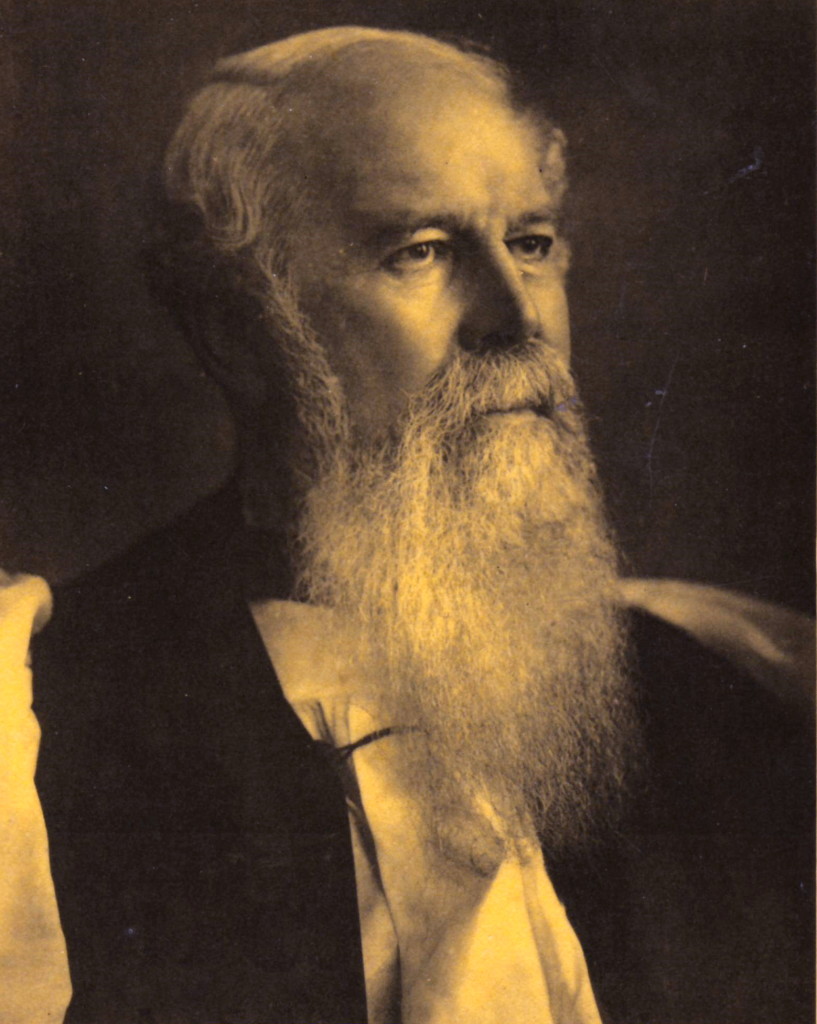
J.C. Ryle's Expository Thoughts on John 1:35-42 examines the early interactions that led to the formation of the Christian Church, specifically through the testimony of John the Baptist and the subsequent calling of Andrew and Simon Peter. Ryle emphasizes the power of personal testimony in leading individuals to Christ, asserting that the consistent proclamation of Jesus as the Lamb of God is essential for conversion and spiritual growth. He cites Isaiah 55:11 to support the idea that God's word, when preached repeatedly, is never ineffective, although immediate results are not guaranteed. The practical implication of his argument suggests that all believers, not just ministers, are called to share their personal encounters with Christ, with Andrew's introduction of Simon Peter to Jesus serving as a model for active evangelism among friends and family.
Key Quotes
“It is by EXALTING CHRIST not the church—Christ not the sacraments—Christ not the ministry—it is by this means that hearts are moved and sinners are turned to God.”
“The simple testimony of a warm-hearted brother was the first link in the chain by which Peter was drawn out of the world and joined to Christ.”
“Every believer ought to be a home-missionary—a missionary to his family, children, servants, neighbors and friends.”
“The man who only knows Christ by the hearing of the ear will never do much for the spread of Christ's cause in the earth.”
What does the Bible say about the testimony of John the Baptist?
The Bible shows John the Baptist's testimony led to the first disciples following Jesus, emphasizing the importance of continually pointing others to Christ.
John 1:35-42, Isaiah 55:11
How do we know that personal testimony is important in the Christian faith?
Personal testimony, like that of Andrew bringing Simon to Jesus, is vital for sharing faith and leading others to salvation.
John 1:40-42
Why is it essential for Christians to share the story of grace?
Sharing the story of grace is essential for evangelism and the spiritual growth of others, as it continually points them to Christ's redemptive work.
Isaiah 55:11, Mark 5:19
These verses ought always to be interesting to every true Christian. They describe the first beginnings of the Christian Church. Vast as that church is now, there was a time when it consisted of only two weak members. The calling of those two members is described in the passage which is now before our eyes.
We see, for one thing, in these verses, what good is done by continually testifying of Christ.
The first time that John the Baptist cried, "Behold the Lamb of God," no result appears to have followed. We are not told of any who heard, inquired, and believed. But when he repeated the same words the next day, we read that two of his disciples "heard him speak and followed Jesus." They were received most graciously by Him whom they followed. "They came and saw where he dwelt, and abode with him that day." Truly it was a day in their lives most eventful, and most blessed! From that day they became fast and firm disciples of the new-found Messiah. They took up the cross. They continued with Him in His temptations. They followed Him wherever He went. One of them at least, if not both, became a chosen apostle, and a master builder in the Christian temple. And all was owing to John the Baptist's testimony, "Behold the lamb of God." That testimony was a little seed. But it bore mighty fruits.
This simple story is a pattern of the way in which good has been done to souls in every age of the Christian Church. By such testimony as that before us, and by none else, men and women are converted and saved. It is by EXALTING CHRIST, not the church—Christ, not the sacraments—Christ, not the ministry—it is by this means that hearts are moved, and sinners are turned to God. To the world such testimony may seem weakness and foolishness. Yet, like the ram's horns, before whose blast the walls of Jericho fell down, this testimony is mighty to the pulling down of strongholds. The story of the crucified Lamb of God has proved in every age, the power of God unto salvation. Those who have done most for Christ's cause in every part of the world, have been men like John the Baptist. They have not cried, Behold me, or Behold the church, or Behold the ordinances, but "Behold the Lamb." If souls are to be saved, men must be pointed directly to Christ.
One thing, however, must never be forgotten. There must be patient continuance in preaching and teaching the truth, if we want good to be done.
Christ must be set forth again and again, as the "Lamb of God who takes away the sin of the world." The story of grace must be told repeatedly—line upon line, and precept upon precept. It is the constant dropping which wears away the stone. The promise shall never be broken, that "God's word shall not return unto him void." (Isaiah. 55:11.) But it is nowhere said that it shall do good the very first time that it is preached. It was not the first proclamation of John the Baptist, but the second, which made Andrew and his companion follow Jesus.
We see, for another thing, what good a believer may do to others, by speaking to them about Christ.
No sooner does Andrew become a disciple, than he tells his brother Simon what a discovery he has made. Like one who has unexpectedly heard good tidings, he hastens to impart it to the one nearest and dearest to him. He says to his brother, "We have found the Messiah," and he "brings him to Jesus." Who can tell what might have happened if Andrew had been of a silent, reserved, and uncommunicative spirit, like many a Christian in the present day? Who can tell but his brother might have lived and died a fisherman on the Galilean lake? But happily for Simon, Andrew was not a man of this sort. He was one whose heart was so full that he must speak.
And to Andrew's out-spoken testimony, under God, the great apostle Peter owed the first beginning of light in his soul.
The fact before us is most striking and instructive. Out of the three first members of the Christian Church, one at least was brought to Jesus, by the private, quiet word of a relative. He seems to have heard no public preaching. He saw no mighty miracle wrought. He was not convinced by any powerful reasoning. He only heard his brother telling him that he had found a Savior himself, and at once the work began in his soul. The simple testimony of a warm-hearted brother was the first link in the chain by which Peter was drawn out of the world, and joined to Christ. The first blow in that mighty work by which Peter was made a pillar of the Church, was struck by Andrew's words, "We have found the Christ."
Well would it be for the Church of Christ, if all believers were more like Andrew! Well would it be for souls if all men and women who have been converted themselves, would speak to their friends and relatives on spiritual subjects, and tell them what they have found! How much good might be done! How many might be led to Jesus, who now live and die in unbelief! The work of testifying the Gospel of the grace of God ought not to be left to ministers alone. All who have received mercy ought to find a tongue, and to declare what God has done for their souls. All who have been delivered from the power of the devil, ought to "go home and tell their friends what great things God has done for them." (Mark 5:19.) Thousands, humanly speaking, would listen to a word from a friend, who will not listen to a sermon. Every believer ought to be a home-missionary, a missionary to his family, children, servants, neighbors, and friends. Surely, if we can find nothing to say to others about Jesus, we may well doubt whether we are savingly acquainted with Him ourselves.
Let us take heed that we are among those who really follow Christ, and abide with Him. It is not enough to hear Him preached from the pulpit, and to read of Him as described in books. We must actually follow Him, pour out our hearts before Him, and hold personal communion with Him. Then, and not until then, we shall feel constrained to speak of Him to others. The man who only knows Christ by the hearing of the ear, will never do much for the spread of Christ's cause in the earth.

Comments
Your comment has been submitted and is awaiting moderation. Once approved, it will appear on this page.
Be the first to comment!