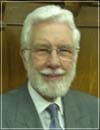
In Stephen Hyde's sermon on 2 Chronicles 20:20, the main theological topic is the imperative of believing in God and His prophets in times of trouble. Hyde illustrates this through the example of King Jehoshaphat, who turned to the Lord in fear and prayer when faced with overwhelming enemies. Key points include the necessity of seeking God's help collectively, as highlighted in Jehoshaphat's call for all people to pray and worship, and the assurance given by the prophet Jahaziel that the battle belongs to the Lord. Scripture references such as Mark 9:24 emphasize the importance of faith, showing that belief, even in the presence of doubt, is crucial for divine assistance. The sermon highlights that genuine belief in God leads to spiritual establishment and prosperity, underscoring a central Reformed doctrine of dependence on God's grace for faith and salvation.
“Believe in the Lord your God, so shall ye be established. Believe his prophets, so shall ye prosper.”
“When we come to God, God knows what we need... We can just be very direct as Jehoshaphat was.”
“The battle is not yours, but God's.”
“What a blessing it is when God gives us grace to demonstrate our belief.”
The Bible encourages believers to have faith in God for stability and prosperity.
2 Chronicles 20:20
The Bible assures us that God hears and answers the prayers of His people.
2 Chronicles 20:12
Praising God acknowledges His greatness and brings glory to Him.
2 Chronicles 20:21
Auto-generated transcript • May contain errors

Comments
Your comment has been submitted and is awaiting moderation. Once approved, it will appear on this page.
Be the first to comment!