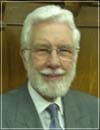
In the sermon "The Sower," Stephen Hyde examines the Parable of the Sower found in Mark 4:14-20, focusing on the different responses to God's word among various listeners. Hyde identifies four types of hearers: the wayside hearers, who allow Satan to snatch away the word; the stony ground hearers, who initially receive the word joyfully but fail to endure; the thorny ground hearers, who are choked by the cares of the world; and the good ground hearers, who genuinely receive the word and bear fruit. He emphasizes that true evidence of receiving the gospel lies in the fruit produced in the believer's life, rooting his arguments in Scripture. The significance of this teaching underlines the need for self-examination regarding one's receptiveness to God's word, as the eternal consequences of these responses are profound.
Key Quotes
“The sower represents the preacher. And the word is the word of God.”
“If there is no fruit, there's no evidence that the seed, the preached word, has fallen into good ground.”
“The devil knows how to attract our minds. The devil knows how to turn us away from the things of God.”
“The evidence of receiving God's Word is fruitfulness.”
The Parable of the Sower teaches about different responses to God's Word based on the condition of the heart.
The Parable of the Sower, found in Mark 4:14-20, illustrates how the seed, which represents God's Word, is received by four types of soil, each symbolizing a different response from the human heart. The wayside represents those who hear the Word but forget it immediately due to Satan's distraction. Stony ground describes individuals who initially receive the Word with joy but lack deep roots, resulting in their faith collapsing under trials. The thorny ground signifies those whose faith is choked by worldly concerns, rendering it unfruitful. Lastly, the good ground represents those who hear, receive, and bear fruit, showcasing a genuine understanding and acceptance of God's Word. This parable serves as a sober reminder of the importance of the condition of our hearts in receiving God's Word effectively.
Mark 4:14-20
Evidence of receiving God's Word is shown through the fruitfulness of our lives.
A key indicator of whether we are truly receiving God's Word is the fruit it produces in our lives. As noted in the parable, those on good ground not only hear the Word but also receive it, leading to a bounty of fruit in their lives, expressed as 30, 60, or even 100 times what was sown (Mark 4:20). This fruitfulness can be seen in spiritual growth, a deepened understanding of God, and tangible manifestations of the Holy Spirit in our character, such as love, joy, and peace. Without this fruit, it raises a serious question about the condition of our reception of God's Word and whether we genuinely understand and appreciate its significance.
Mark 4:20, Galatians 5:22-23
Fruitfulness is the evidence of genuine faith and a vital aspect of a Christian's walk with God.
Fruitfulness is paramount in the life of a Christian as it serves as the primary evidence of a true relationship with God. Galatians 5 explains that the fruits of the Spirit, such as love, joy, and peace, reflect God's work within us and validate our claims of faith. Jesus Himself emphasized the necessity of bearing fruit, stating that by bearing much fruit, we glorify Him (John 15:8). It is through fruitfulness that we fulfill our purpose, which is to reflect God's character to the world and to be instruments of His grace. Lack of fruitfulness can indicate a disconnection from the life-giving source, which calls for introspection about our commitment and connection to Christ.
Galatians 5:22-23, John 15:8
Comments
Your comment has been submitted and is awaiting moderation. Once approved, it will appear on this page.
Be the first to comment!
