Bootstrap
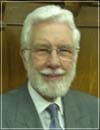
Stephen Hyde

Praying for Ministers

Colossians 4:3-5
Stephen Hyde May, 3 2022 Video & Audio
0 Comments
Colossians Series

In the sermon titled "Praying for Ministers," Stephen Hyde examines the theological importance of prayer, particularly for ministers, as articulated in Colossians 4:3-5. He emphasizes that the Apostle Paul, despite being imprisoned, seeks prayer for opportunities to proclaim the mystery of Christ, highlighting the significance of evangelistic outreach and wisdom in communicating the Gospel. Hyde discusses the various types of hearers of the Word, illustrating how distractions and superficiality can hinder spiritual growth. The sermon underscores the need for prayerful support for ministers so that they can effectively teach and make clear the complexities of Christian truths, while encouraging believers to actively engage in proclaiming the Gospel to those outside the faith. This teaching resonates with Reformed doctrines on the importance of the preached Word and the necessity of divine assistance for effective ministry.

Key Quotes

“It indeed is a great and wonderful blessing when the Lord does open doors where the gospel can be preached and the glorious mystery of the gospel can be proclaimed.”

“He was not fearful to declare the whole counsel of God. And God greatly blessed his ministry.”

“May we in our day and age be concerned to walk in wisdom toward them that are without.”

“What a blessing if we therefore are used by Almighty God to the conversion of others, there's nothing more blessed.”

What does the Bible say about praying for ministers?

The Bible encourages prayer for ministers to open doors for sharing the Gospel effectively.

In Colossians 4:3-5, the Apostle Paul explicitly requests prayers for himself and fellow ministers, asking that God would open a door of utterance to speak the mystery of Christ. This emphasizes the importance of prayer in ministry, as it invites divine assistance for the effective communication of the Gospel. The prayer for ministers is not only for their own strength and resolve but also for the opportunities to share the glorious message of salvation with others. By praying for ministers, we actively participate in the work of God's kingdom, acknowledging that only through His guidance can true understanding and conversion occur.

Moreover, Paul’s situation in prison underlines the sacrifices ministers often make for the sake of the Gospel. His request for prayer from the Colossians illustrates the crucial partnership between the church and its ministers, reminding believers of the importance of supporting their leaders in their spiritual battles and ministerial duties. Such prayers contribute immensely to the furtherance of the Gospel and the potential for many to come to faith, reflecting the sovereign grace of God in action.

Colossians 4:3-5

How do we know the mystery of Christ is true?

The truth of the mystery of Christ is revealed in Scripture and confirmed by the lives and testimonies of believers.

The mystery of Christ, as spoken of in Colossians 4:3-5 and throughout the New Testament, speaks to the profound truths of the Gospel that were hidden but are now revealed. These include the incarnation of Christ, His atoning sacrifice, and the salvation offered to sinners. This revelation is foundational to the Christian faith, confirming that Jesus Christ is indeed the Son of God, who fulfills the prophecies of the Old Testament. Through His life, death, and resurrection, the reality of these truths is made manifest, bringing clarity to the confusing and convoluted narratives of human history.

Additionally, believers experience the truth of this mystery in their own lives, where they encounter the transformative power of the Gospel. The change in a believer's life, the working of the Holy Spirit, and the unity of the Church as the Body of Christ serve as empirical evidence of its truth. The Apostle Paul, in his ministry, lived out this mystery, exemplifying the joy and freedom found in Christ, even while imprisoned. This duality of revelation in Scripture and personal experience underscores the validity of the Christian claim and assures believers of the trustworthiness of the Gospel.

Colossians 4:3-5, Mark 4:11

Why is praying for the Gospel important for Christians?

Praying for the Gospel is vital as it seeks God's intervention for the hearts to be opened to His truth.

Prayer for the Gospel encapsulates the Christian responsibility to seek divine assistance in the proclamation and reception of God’s Word. As seen in Colossians 4:3-5, the Apostle Paul emphasizes the importance of prayer to ensure that the message of Christ can be effectively communicated. This aligns with the belief in sovereign grace, acknowledging that while humans are responsible for sharing the Gospel, it is ultimately God who opens hearts and grants understanding.

Praying for the Gospel is a recognition that the harvest is plentiful, but the laborers are few. It equips believers with a posture of dependence on God, inviting His power into evangelistic efforts. Such prayers reflect a deep concern for the lost and a commitment to see God’s grace extend beyond the Church's walls. Additionally, it unites the community in a common purpose, fostering a spirit of intercession that strengthens both the pray-er and the one being prayed for in their respective journeys of faith. Thus, prayer serves as both an act of worship and a strategic engagement in spiritual warfare.

Colossians 4:3-5, Matthew 9:37-38

Sermon Transcript

Auto-generated transcript • May contain errors

100%
verses. Now once again may God
help us to draw near to him as we meditate further in the epistle
of Paul to the Colossians and tonight we'll turn to Colossians
4 and we'll read verses 3 to 5. Colossians chapter 4 and reading
verses 3 to 5. with all, praying also for us,
that God would open unto us a door of utterance, to speak the mystery
of Christ, for which I am also in bonds, that I may make it
manifest as I ought to speak, walk in wisdom toward them that
are without, redeeming the time. And so as we continue our meditation,
you will remember last Friday, God willing, we spoke upon the
second verse, which said, continue in prayer and watch in the same
with thanksgiving. And now we have this statement
here, with all praying also for us, that God would open unto
us a door of utterance to speak the mystery of Christ for which
I am also in bonds.' Well, the Apostle does remind us, he has
done before, that here he was in prison, in chains, in bonds,
because he had preached the Gospel. So we must recognise today what
wonderful liberty we have here in our country, not in all countries,
but in our country, where we are still able to freely preach
the Gospel and to read the Word of God and to distribute the
Word of God, which we're very thankful to be able to do to
all those schools in this Jubilee year. It is surely a wonderful
and great blessing. And so the Apostle desires that
prayer would be made, that there might be a door of utterance
opened for him to speak the mystery of Christ. Well, what a blessing
it is when the Lord does open doors where the gospel can be
preached and the glorious mystery of the gospel can be proclaimed. It indeed is a great and wonderful
blessing. We read that chapter or part
of that chapter in the Gospel of Mark for those words which
the apostle saw the Lord said, and he said unto them, unto you
it is given to know the mystery of the kingdom of God. But unto
them are without all things are done in parables. Well, the mystery
of the kingdom of God, of course, is very great when we consider
the saviour himself. And we consider the great mystery
it was that he should be born of that Virgin Mary and that
he should indeed lived that life in relative seclusion really
until he was 33 years of age apart really from that one occasion
when his parents went up to Jerusalem and he went with them and he
was there speaking to the elders and priests at that time but
nonetheless it wasn't really until he was 33 that the mystery
began to be shown forth in a greater degree. That was of course when
he was baptised by John the Baptist and that wonderful word spoken
by his father, this is my beloved son in whom I am well pleased. Now you see you and I today have
the wonderful privilege and it is a wonderful privilege to be
able to read the word of God and to read the great and glorious
truths concerning our Saviour and to read of his birth and
to read of his baptism and to read of his setting forth the
glorious Gospel as he preached for those three years. It was
indeed a wonderful time and then of course he gave his life when
he was crucified upon that cross at Calvary and all these things
were indeed a mystery. Indeed the Even the disciples,
as we know, didn't really understand them, although they were with
the Saviour day after day for those three years. It was indeed
a great mystery. But the Apostle Paul was blessed
with that heavenly insight. As we know, after the Apostle
was baptised, he went to Arabia for those three years, and no
doubt there the Lord instructs him greatly in the glorious mystery
of godliness. And so here he asks that there
might be open to him a door of utterance, that means the opportunity
to proclaim the glorious truths of the Gospel, to speak the mystery
of Christ, how full he was of the Gospel. My friends, may we
today love the Gospel, rejoice in hearing it and bless God if
we have been shown the wonderful mystery. It is a mystery but
what a wonderful thing when it's been revealed and he says for
which I am also in bonds. Yes the apostle was in bonds
but he bore the affliction, he bore that time very gracefully
and yet continually concerned about the Church of God and continually
concerned about preaching the Gospel and also that those that
heard the Gospel might receive it. We read together those few
verses which described the Sower, how simple a parable it was,
and yet what depth there was in it. And we have to be very
aware, as we read these descriptions, of those three types of hearers,
who heard the Word, but it did not profit them. My friends,
so often perhaps we've heard the Word, the mystery of the
Gospel, and it hasn't really profited us and so the three
examples were the ones who when the seed fell upon the wayside
and satan came and immediately taketh away the word that was
sown in their hearts well you know that can be so true can't
it you and i can come and we can hear the gospel preached
virtually before we get home we can't remember what was preached
and then those on stony ground who when they have heard receive
it with gladness but there's no root there's no root and therefore
in times of affliction or persecution For the world's sake, immediately,
they are offended. It doesn't profit them. It hasn't
done them good. Again, sad, isn't it? And then
lastly, there are those which are sown among thorns. And we're
told what that is. The cares of this world, the
deceitfulness of riches, the lust of other things, entering
in choke the word and it becometh unfruitful. Well it's very simple
for us but they're very solemn statements really and what a
blessing it is therefore if we come within the last statement
then these are they which are sown on good ground such as hear
the word and receive it they don't reject it they receive
it and bring forth fruit, some thirtyfold, some sixty, and some
an hundred. Clearly the Apostle was concerned
that as he preached the Word, the mystery of Christ, there
might be an open door set before him, so that, as we come on to
say, that I may make it manifest as I ought to speak. He was not
fearful to declare the whole counsel of God. And God greatly
blessed his ministry. And therefore we have the wonderful
example of this set before us. As he said, that I may make it
manifest. His concern was as he preached
the gospel, so that people might have an understanding of it.
An understanding of all those great truths set before us in
the Old Testament, which came to fruition through the birth
and life and death and resurrection and ascension of our great and
glorious Saviour. And so he says, if I may make
it manifest as I ought to speak. Then he says, we are to walk
in wisdom, toward them that are without. There are those, you
see, who are without. Principally, in those days, it
was the Gentiles. But today, there are many without,
who do not hear the gospel, and yet hear the apostles' concern
that he might be given wisdom toward such that are without. to be able to declare to them,
whenever opportunity presented himself, the glories of the Gospel. I sometimes think we had that
wonderful occasion when he was in Athens alone, not with a crowd
of believers, by himself. There he was every day in the
marketplace, declaring the Gospel. What a privilege and what a blessing. May we in our day and age be
concerned to walk in wisdom toward them that are without. It's quite
easy to walk toward them that are within, but here the Apostle's
talking about walking to them that are without. And finally
in this verse he says, redeeming the time. It's the same phrase
that he uses when he wrote to the Ephesians. Redeeming the
time. We are not to waste our time. We are to attend to the important
things of God and to seek that they may be made a blessing to
ourselves and our own spiritual life and to many others. But we know the time is short.
What a blessing if we therefore are used by Almighty God to the
conversion of others, there's nothing more blessed. The Lord
tells us, those that winneth souls are wise. Well may we be wise in these
things. May our Lord help us and give
us grace to follow the words of the Apostle. clearly concerned
that he might be blessed in his work and those that follow might
also be blessed.
Broadcaster:
Theology:

Comments

0 / 2000 characters
Comments are moderated before appearing.

Be the first to comment!

Joshua

Joshua

Shall we play a game? Ask me about articles, sermons, or theology from our library. I can also help you navigate the site.