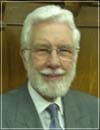
The sermon titled "Have Mercy on Me" delivered by Stephen Hyde centers on the theological significance of mercy in the life of believers, as portrayed in Luke 18:38-39. Hyde emphasizes the desperate plea of a blind man who recognizes his need for spiritual and physical healing, illustrating the Reformed doctrine of total depravity, where all humans share a need for divine mercy. He argues that the blind man's persistent cry for Jesus' mercy serves as a model for believers, encouraging them to be undeterred by societal discouragement or feelings of unworthiness. Hyde supports his arguments through references to the parables of the Pharisee and the Publican, highlighting the importance of approaching God with humility and faith. The practical significance of this message calls believers to recognize their continual need for mercy and to boldly seek it, promising that Christ hears and answers those who earnestly cry out for help.
Key Quotes
“You see, the devil will do everything he can to discourage you from pleading, for crying, for mercy.”
“It's a great blessing when the Lord shows us what we are before a holy God.”
“He is a prayer hearing and a prayer answering God. And we might therefore come and say, why therefore, why not for me?”
“Once I was blind, but now I see the blessing of spiritual sight to realize what has occurred because the Lord shows us our need of a Savior because of our sin.”
The Bible emphasizes the importance of mercy as a characteristic of God and encourages believers to cry out for it, as shown in Luke 18:38-39.
The concept of mercy is deeply rooted in Scripture, reflecting God's compassionate nature. In Luke 18:38-39, the blind man cries out to Jesus, 'Thou Son of David, have mercy on me,' demonstrating a recognition of both his physical and spiritual need for mercy. The plea for mercy is echoed throughout the Bible, showing that God's mercy is essential for salvation and spiritual sight, as it is through His mercy that we find healing and forgiveness. The acknowledgment of our need for mercy positions us humbly before God, opening the door for His gracious intervention in our lives.
Luke 18:38-39
The Bible affirms that God hears and answers the prayers of His people, as exemplified in instances throughout Scripture.
Scripture confirms that God is a prayer-hearing and prayer-answering God. In the sermon, it is highlighted that the blind man, despite being rebuked, cried out the more fervently, showcasing his faith in Jesus' ability to help him. The account illustrates that God is attentive to the cries of those in need. Numerous passages, such as James 5:16, affirm that the fervent prayer of a righteous person avails much. This principle teaches believers to approach God with confidence, believing that He hears their petitions and will act according to His perfect will and timing.
James 5:16, Luke 18:38-39
Acknowledging our need for mercy is crucial as it reflects humility and the recognition of our dependence on God's grace for salvation.
Recognizing our need for mercy is significant in the Christian faith because it cultivates humility and a proper understanding of our sinful condition. As illustrated in the sermon, the blind man and the tax collector both exemplify this need. They approach God not with pride, but in acknowledgment of their shortcomings and desperation for divine intervention. This humility aligns with biblical teachings found in passages like Matthew 5:3, where Jesus states that 'blessed are the poor in spirit.' Recognizing our need for mercy enables us to genuinely receive the grace that God offers, emphasizing that it is through His mercy we are justified and receive eternal life.
Matthew 5:3, Luke 18:38-39
Calling Jesus the 'Son of David' acknowledges His rightful place as the promised Messiah who fulfills the Old Testament prophecies.
The title 'Son of David' carries immense theological significance, as it links Jesus to the Davidic covenant and fulfills Old Testament prophecies concerning the Messiah. This title signifies that Jesus is the long-awaited King, chosen by God, who would come to establish His kingdom and redeem His people. As noted in the sermon, the blind man's recognition of Jesus as 'Son of David' reflects his faith in Jesus' authority and ability to heal. This title confirms the identity of Christ as the one through whom God's promises to Israel are realized, drawing believers to acknowledge Him as the Savior who reigns eternally.
Luke 18:39, 2 Samuel 7:12-16
Comments
Your comment has been submitted and is awaiting moderation. Once approved, it will appear on this page.
Be the first to comment!
