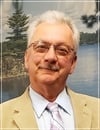
The sermon titled "Lean Not Unto Thine Own Understanding" by John Reeves addresses the doctrine of trust in God's sovereignty and the necessity of relying on divine understanding rather than human reasoning. Reeves emphasizes the fallibility of mankind and the sinful nature that leads individuals away from God’s wisdom, articulating that true peace comes from fully trusting in Christ’s righteousness. He supports his argument primarily with Proverbs 3:5-6, interpreting it as an exhortation against self-reliance and an appeal to depend entirely on God. The preacher further illustrates this point through references to the New Testament, particularly John 3, where he discusses the necessity of being "born again" to understand spiritual truths, affirming the Reformed doctrine of total depravity and the sovereign grace of God. The significance of this message lies in its encouragement for believers to confront life's challenges through faith in God's providence instead of their own finite understanding.
“There's only one place that you can fully put your trust in, and that's in the Lord Jesus Christ, God in the flesh.”
“Lean not unto thine own understanding. That has got to be, Lord, how? How can I not lean on something of... what I've learned over time?”
“You cannot turn away from what you naturally are in the flesh unless something unnatural happens.”
“Trust in the Lord with all thine heart, and lean not unto thine own understanding.”
The Bible emphasizes that we should trust in the Lord with all our heart and not rely on our own understanding (Proverbs 3:5).
Proverbs 3:5-6
God's faithfulness is assured through His covenant promises and the sacrifice of Jesus Christ for His people.
Romans 8:28-39, Isaiah 53:5-6, Proverbs 3:5-6
Leaning not on our own understanding encourages dependence on God's wisdom and insight instead of flawed human reasoning.
Proverbs 3:5-6, Isaiah 55:8-9
Being born again signifies a spiritual transformation that allows believers to comprehend and enter the kingdom of God.
John 3:1-8, Ephesians 2:4-5
Auto-generated transcript • May contain errors

Comments
Your comment has been submitted and is awaiting moderation. Once approved, it will appear on this page.
Be the first to comment!