Bootstrap
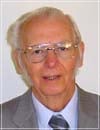
Bill McDaniel

The Lord Our Righteousness

Jeremiah 23:5-8
Bill McDaniel August, 4 2013 Video & Audio
0 Comments

Sermon Transcript

Auto-generated transcript • May contain errors

100%
All right, here's that text for
us to consider. In verse 6 we have our main subject
and text. Behold, the days come, saith
the Lord, that I will raise unto David a righteous branch, and
a king shall reign and prosper, and shall execute judgment and
justice in the earth. In his days, Judah shall be saved,
Israel shall dwell safely. This is the name whereby he shall
be called, the Lord our Righteousness. Therefore, behold, the days come,
saith the Lord, that they shall no more say, The Lord liveth,
which brought up the children of Israel out of the land of
Egypt, But the Lord liveth which brought up, and which led the
seed of the house of Israel out of the north country, and from
all countries whither I have driven them, and they shall dwell
in their own land." Now look at verse 6 again, the end, all
caps in the King James, the LORD our righteousness. Now to that let me add 1 Corinthians
chapter 1 and verse 30. But of Him are ye in Christ Jesus,
who of God is made unto us righteousness, and sanctification and redemption. And in 2 Corinthians 5 and verse
21, that we might be made the righteousness of God in Him. I begin by reminding us that
the greatest need of a guilty sinner is a saving righteousness
to stand him well before God. Without it, he will perish, and
nothing can be substituted in its place. It's this or nothing. There is no alternative for the
righteousness of God in standing one well in God's sight. And
the reason why guilty sinners need a saving righteousness is
because the unrighteous shall not inherit the kingdom of God."
1 Corinthians 6 and verse 9. Now that word there, unrighteous,
some eleven times, at least in the King James Version, and each
place it is translated, the unrighteous or the unjust. The extended meaning
is wicked and by implication treacherous. So the meaning is,
unrighteous shall not in any wise inherit the kingdom of God. And what's more, to add to their
woe, there are none that are in themselves righteous. They're not a righteous individual
upon the face of the earth. Romans 3 and verse 10, Psalm
14 and 53. There is none righteous, no,
not one. In other words, there is not
so much as even one that is righteous, in themselves. Under all of the
Son there is not a righteous man. All are under sin. And the best way, I guess, to
sum it up is Paul declaring, there is none that are righteous. And to add to that for emphasis,
no, not one. Righteousness is the criterion
by which sin is judged. and the absence of righteousness
means the presence of sin and the presence of condemnation.
To which we might also add that the absence of righteousness
means guilt before the Almighty God. Then there is another problem
with this righteousness that we are talking about today. Tell
people that they must have a righteousness to stand them well in the sight
of God, And what will they do? Well, they will drag in their
own filthy self-righteousness before the Almighty God and they
will expect God to accept it as their justifying righteousness
because they're neighborly, or they're civil, or they volunteer,
or they help people, or whatever. But they repeat the sin that
the Jews were guilty of, described in Romans 10 and verse 3. Being ignorant of the righteousness
of God, they have gone about to establish their own righteousness
and not submitted themselves unto the righteousness of God.
Here's the source of their error. Here's what turned them off of
their course. Ignorance of the righteousness
of God. Not knowing, not having, no knowledge
of God's way, of making sinners righteous in his sight, being
blind to that righteousness that is revealed in the gospel, being
blind that God provides a gospel righteousness that is revealed
in the preaching of the gospel. There's a passage in Isaiah 64
and verse 6. We are all as an unclean thing. All of our righteousness are
as filthy rag. This was the confession of those
that were in the captivity. Now, coming to the passage in
Jeremiah chapter 23, particularly the last part of verse 6, and
this is the name whereby he shall be called the Lord our righteousness. Now, let's kind of get our contextual
bearings here. In this chapter, the prophet
carries two subjects along with him. Number one, a promise of
restoration, of gathering them again who had been scattered
as a flock, blessing them by means of one that is referred
to as a branch, as a king, and the Lord, our righteousness. and a great work was to be wrought
in them. Secondly, we notice in this chapter
that the prophet condemns the behavior of both the civil leaders,
that's in verses 1 through 4, and of the so-called spiritual
leader, And that is in verse 9 and following. Both sorts of
leaders were corrupt before the people and they led the people
astray. And in doing so, the judgment
of God was visited upon them and scattered them even under
captivity from which only God was then able to deliver them. Look at the one mentioned in
verse 5 and in verse 6, this wonderful person. Who might this
be? Well, he is called a righteous
branch. from the lineage of David. In Isaiah 11 and 1 through 5,
there shall come forth a rod, that is a stem or a shoot, as
in Isaiah chapter 53 and verse 1, a shoot out of a dry ground. of Jesse, a branch shall grow
out of his roots, and his power and his glory are described for
us in the Scripture in places like Zechariah 3, 8, 6, and 12
on him being called the branch. He is called, or is a king. He will reign, He will prosper,
He will execute judgment upon the face of the earth. And this
name is He called, the Lord our Righteousness. Now, this is both
His name, but it is also His relationship unto His people. And who can this be? Who can
it be but Messiah, the Christ, the Holy One of God, the Son
of God? Let's note it. the alternate
rendering in the margin. The Lord our Righteousness is
given in the margin as Jehovah Righteousness. And this word
Righteousness is a common one throughout the Old Testament
and is from a word that means to be right, it means to be just. It means that which is altogether
just and right. so that he is not only called
by the name Jehovah Righteousness, but Jehovah Our Righteousness. I like the point made in the
footnotes of the Geneva Study Bible, as the names such as Jehovah
Righteousness are not just labels for identification, but are designations
of his character. Like in Matthew chapter 1, And
verse 23, Thou shalt call His name Emmanuel, which interpreted
is God with us. Call Him Jesus, for He shall
save His people from their sin. Spurgeon put it this way, He
is with us as God to save us. The incarnation of Jesus is our
salvation, unquote. Even so, His name, is called
Jehovah, our righteousness, because as Gil said, He is our righteousness. He is the author of the righteousness
of God, the saving righteousness unto His people. And Gil wrote
on Jeremiah chapter 23, And verse 6, quote, the Father appointed
and sent Christ to work it out. He approved and accepted it when
wrought out and then imputes it unto his people, end quote. Now coming into the New Testament
scripture and that verse in 1 Corinthians chapter 1, and verse 30, that
by God's purpose and design, Christ is made, He has become,
He is unto the elect, wisdom, righteousness, sanctification
and redemption. He is all of those things, each
and every one. And this is said in relationship
to verse 26 to verse 29. that there is no ground of boasting
by them that are called. For they had nothing in them
to commend themselves to God or by which God might desire
them. Being in Christ is all a matter
and nothing but a matter of grace. Calvin noted here In 1 Corinthians
1, Paul would have them to pay very careful attention to the
procedure which the Lord had followed in calling them. And
he tells them at Colossae 2, ye are complete in Him. That is in Christ. Chapter 2
and verse 10. He's all things unto the elect. He's all things savingly needful. He is our saving righteousness. They have their spiritual existence
and their standing in the Lord Jesus Christ and none other. Are you in Christ? For by the
purpose of God, by an act of God, they have come to be in
Jesus Christ who is made unto them All of those things that
are necessary. And then we notice that Paul
lists that very rich dowry that we have in Christ, such as men
of the world, glory in their learning or in their wisdom.
But Christ is the sum of all wisdom. He is made unto us wisdom. And then people are prone to
trust in and boast in their putrid self-righteousness. But in Christ,
He is made unto us righteousness, and that completely justifies
us before God. He's the Lord, our righteousness. Jehovah, our righteousness. And let us catch the thought
that Christ is by God or of God, been made, has become, or who
became unto us righteousness. He is unto us righteousness. And this is a saving righteousness
which completely justifies from sin and condemnation, by it,
the elect, in and through him are reckoned righteous, so that
there is no condemnation to them which are in Jesus Christ. By this special arrangement of
divine purpose, sovereignty, and election, Christ is unto
us righteousness. Righteousness is put to our account
like it was to Abraham. Now, let's switch our focus to
that other passage, 2 Corinthians 5, verse 21, which explains the
ground upon which Paul exercised the ministry of reconciliation
and how it is that God would not and does not impute their
trespasses unto them. That's in verse 19. For in Psalm
32 and verse 2, blessed is the man unto whom the Lord does not
impute iniquity, does not put it to their account, does not
put it upon their record. Paul says in Romans 4 and verse
6, David described the blessedness of the person to whom God imputes
righteousness without works. So there is the non-imputation
of sin and the imputation of righteousness without works,
without merit and such like. And the means and the ground
of this is set forth in 2 Corinthians 5 and verse 21. For He has made
him sin for us who knew no sin, that we might be made the righteousness
of God in Him. Here is the great wonder and
mystery of the gospel, that God should, number one, lay a mass
of sin upon one who is holy and without any sin of his own, one
that is perfectly righteous, one that should be made sin then,
and bear the curse of the law, and endure the death of the cross. that God should make the iniquity
of us all to light upon Him according to Isaiah 53 and verse 6, and
that God should put our sin upon Christ and punish Him, the just
and full demerit of our sin. Secondly, that God should reckon
a formerly vile sinner to be righteous in his sight. That
God should put to the account righteousness of a son or daughter
of Adam without any good work and without anything from their
hand, without any merit whatsoever. They have a righteous standing
before a just, holy, and righteous God. But this is exactly what
Paul tells us in this famous text that we have read. These
two things, the non-imputation of sin and the imputation of
righteousness. And what's more, Paul tells us
that the first is in order unto the second. God made him sin
for us to a certain end or to a specific design in order that
we are to be made righteous in him. We are careful at this point
because there's a statement here that we need to carefully pass
by and deal with. That when Paul says, Jesus was
made sin, we understand him to say that he neither became a
sinner nor did he become sinful in that transaction. and that
he was not made sin by an infusion of sin, but by the imputation
of the sin of the elect unto him. And this is foreshadowed
when we see Aaron standing before that scapegoat and pressing down
upon his head and confessing the iniquity of Israel over the
head of that scapegoat and then sending him away by the hand
of a fit man into the wilderness. And verse 22 there said, And
the goat shall bear upon him all their iniquity into a land
not inhabited. This is the sort of language
John the Baptist used to speak also of the Lord. John 1.29. Behold the Lamb of God that taketh
away the sin of the world." Literally, bears away the sin of the world. God made them to light upon His
Son, upon His sinless, spotless Son, upon the sinless, spotless
Lamb of God, 1 Peter 2 and 24, who bear our sin in His own body on the tree,
that we being dead in our sin should live unto righteousness. He takes our sin, suffers for
it, pays the penalty, and gives us His righteousness. He is made
sin. We are made the righteousness
of God in Him. The old Puritan Thomas Manton
said that in 2 Corinthians 5, And verse 21, there are two words
that must be noted, that must be explained and understood in
order that we might get the right sense out of it. And they are
the words sin and the word made. Number one, sin. Number two,
made. How was he made sin? And as to sin, made sin. And as Thomas Matten wrote, John
Gill agreed, he did not become sinful or a sinner, but that
the Father imputed unto him the sin, every sin, of every elect. And the word made, as we recently
saw, refers to God ordaining or appointing Christ to bear
the sin of many. And it is a result of this arrangement
that the elect are made righteous in Christ Jesus. Hear Paul in
Romans 5 and verse 29. By the disobedience of one man,
many were made sinners. So by the obedience of one shall
many be made righteous." This is his proper conclusion from
that long discussion there in verse 12 down to the end. The many made sinners. was not by an infusion of depravity,
but by their natural inheritance and by their corruption from
their birth. Therefore, that we might be made
righteous. Made the righteousness of God
in Christ Jesus. 2 Corinthians 5 and verse 21. None can be declared righteous,
none can be declared justified, unless they also are in some
manner constituted righteous. Justification, like condemnation,
is a forensic term and a forensic act upon God's part. He declares,
being the great judge, that it is so. And it is not based upon
our personal behavior, but upon imputation, and that as a result
of that union between Christ and the elect. that Romans 5.18,
by the righteousness of one came upon all men justification of
life. And so the act of righteousness
brings justification and that brings life. So, as some call
it, justification is a constitutive act. And this constitutive act
of the Almighty God has as its basis the solidaric union, that
union of the elect with Christ, so that they are placed in the
category of being righteous, and that by reason, number one,
of their union with Christ, Number two, of his obedience unto the
death of the cross in their behalf, so that he is the surety of them
unto righteousness. The Lord, our righteousness,
Jeremiah 23 and 6. He is our advocate, 1 John chapter
2 and verse 1. Who is it? Jesus Christ the Righteous,
yes, the Righteous One, who is also the propitiation for our
sin. And His righteousness was not
attained by practicing righteous acts or being obedient, nor is
His an imputed righteousness, for if that were the case, He
would have none to spare and could not be the Lord our righteousness. His righteousness is inherent
in Him as being an eternal member of the Godhead. That same righteousness
of God the Father and of God the Spirit. And yet we understand
that it is not the essential righteousness of Christ, not
his attribute of righteousness that is imputed and that is revealed
in the gospel, not the whole entire righteousness of Christ
as Goodwin expressed it. We are not little gods and we
are not little Jesuses as there are some of the radio and the
television preachers are preaching. Therefore, what is imputed is
not the essential holiness that dwells in the divine nature of
the Eternal Son, but the righteousness performed by the Incarnate Son
in regard unto the law. His humiliation. And according
to the Puritan Goodwin, this in a two-fold way. As man, literally,
he lived not only without sin and in perfect obedience to every
precept of the law of God in nothing offending God or transgressing
the law, pleasing the Father in all things, being obedient
in every command even unto the death of the cross. But then
be, though He knew no sin, though He was perfectly innocent and
had no sin, yet was He made sin for others and underwent the
curse of the cross and of the law, and so made a full, perfect
satisfaction to the law in behalf of the elect. And as a result,
Romans 8 and verse 4, the righteousness of the law is fulfilled in those
who are in Christ Jesus. They stand free from condemnation
of the law. Yea, Christ fulfilled the righteousness
of the law for the sake and in behalf of His people. The law
received from Christ is just and full due in both ways. First of all, by keeping its
precept and then by enduring its curse and its penalty in
behalf of the elect. And Paul says a wonderful thing
In Romans 1, 16 and 17, the gospel is the power of God unto salvation,
for therein is the righteousness of God revealed, a saving righteousness. not the personal attribute of
God's righteousness, but a righteousness that is made manifest with saving
effect in the preaching or in conjunction with the preaching
of the gospel. For this is no doubt the same
one. that Daniel 9 and verse 4 said
would finish transgression, make an end of sin, make reconciliation
for iniquity, and bring in everlasting righteousness. Now, two things
in closing about this righteousness. One, like Paul in Philippians
chapter 3 and verse 9, we may, we should, and we do fling away
our own righteousness as if it were a filthy garment. We disavow
it. We count it as dung, as trash. as refuse, as garbage for the
righteousness of Christ, just like Paul. Secondly, one may
rest their never-dying soul upon the righteousness that is provided
in Jesus Christ. One may trust this while repudiating
all self-goodness and all self-worth. and all self-merit, and one may
safely die who is clothed in the imputed righteousness of
Jesus Christ. It will avail not only in this
life, but also in death and beyond. This righteousness can save the
vilest sinner and save him unto the uttermost. Jesus being made
sin for us, we might be made the righteousness of God in Him. None are righteous in themselves. Their self-righteousness is a
putrid stinking in the sight of God who cannot stand it. It is a stink in his nostril. But that righteousness provided
in Christ is pleasing and is wonderful and is imputed to all
of those chosen in Christ, redeemed by Christ, that Christ was made
sin for. We don't have time to get into
it, but how can you preach anything but a particular atonement from
this subject and from these texts? that if Christ died, it is a
saving death that he has died. If he has given a righteousness,
it is a saving righteousness, and it is for those for whom
he was made sin. Bless God for it and for our
standing.

Comments

0 / 2000 characters
Comments are moderated before appearing.

Be the first to comment!

Joshua

Joshua

Shall we play a game? Ask me about articles, sermons, or theology from our library. I can also help you navigate the site.