Bootstrap
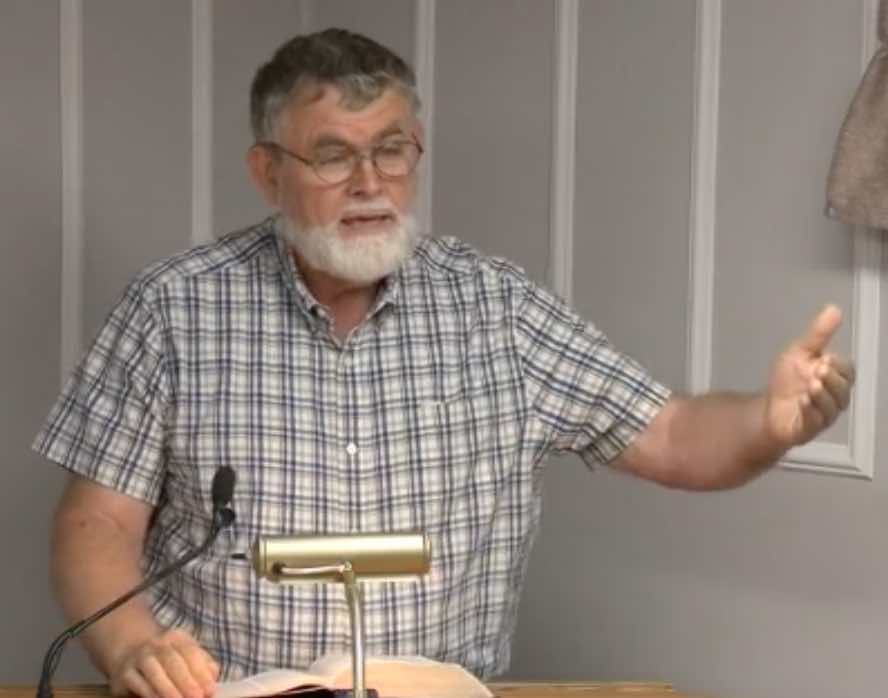
Mike McInnis

True Holiness #167

Mike McInnis • January, 23 2018 • Audio
0 Comments
What does the Bible say about God's sovereignty?

The Bible asserts God's complete sovereignty over all creation, which is foundational to understanding His nature and purpose.

Scripture consistently presents God as sovereign, shaping the course of history and individual lives according to His divine purpose. In Isaiah 45:7, it states, 'I form the light and create darkness; I make peace and create evil; I the Lord do all these things.' This indicates that nothing occurs outside of His will, emphasizing the importance of acknowledging His absolute authority. The recognition of God's sovereignty drives Christians to worship and trust Him completely, understanding that His ways are far beyond human comprehension.

Isaiah 45:7

Why is Jesus Christ important for salvation?

Jesus Christ is essential for salvation as He fulfills the law and mediates our relationship with God as our prophet, priest, and king.

The significance of Jesus Christ for salvation cannot be overstated. He perfectly fulfilled the requirements of the law, ensuring that every aspect of God's demand was adequately met. As the expressed image of the Father, Christ reveals God's nature and purpose. In John 14:6, Jesus declares, 'I am the way, the truth, and the life. No one comes to the Father except through Me.' This underscores that salvation is exclusive to those who come through Christ, who is both the means and the mediator of our redemption. By being the sanctifier of God's people, He ensures their holiness and justify them before the Father, thus securing their place in eternity.

John 14:6

How do we know predestination is true?

The doctrine of predestination is supported by numerous biblical passages that affirm God's choice of His elect before the foundation of the world.

Predestination is affirmed throughout Scripture, particularly in passages like Ephesians 1:4-5, which states, 'He chose us in Him before the foundation of the world, that we should be holy and without blame before Him in love. Having predestined us to adoption as sons by Jesus Christ to Himself, according to the good pleasure of His will.' This doctrine underscores God's sovereign grace in saving a people for Himself, showing that salvation is not based on human will or effort but entirely on His gracious choice. Understanding predestination cultivates deeper trust in God's sovereignty and His unchanging purpose, leading believers to worship Him for the grace He has bestowed.

Ephesians 1:4-5

Why is holiness important for Christians?

Holiness is vital for Christians as it reflects God's nature and is a necessary response to His grace in our lives.

Holiness is not merely an additional aspect of the Christian life; it is fundamental to what it means to be a believer. As 1 Peter 1:15-16 instructs, 'But as He who called you is holy, you also be holy in all your conduct, because it is written, 'Be holy, for I am holy.'' This command reflects God's character and the transformative work He does in believers. Christ is our sanctifier, setting us apart for His purposes, and we are to live in a manner that glorifies Him. Hence, holiness is both an indicative of our relationship with God and a call to action, illustrating our gratitude for His grace and our desire to reflect His glory in a corrupt world.

1 Peter 1:15-16

Sermon Transcript

Auto-generated transcript • May contain errors

100%
Natural religious men are experts
on the activities, desires, and ways of God. Every major religion
has a definition of who God is, how He acts, and what He is going
to do. These concepts are not fashioned
in the minds of men because of their love of an absolute God,
but rather help them to place restrictions and parameters around
their concept of God in their own minds so as not to be overwhelmed. Nothing is more common among
the peoples of the earth in general than an explanation of who God
is and what He can and cannot do. This trait is exhibited most
clearly when men try to explain and rationalize the existence
of sin and evil in the world and as they seek to reconcile
the supposed free will of men and the predestined purpose of
God. It is unnatural for a man not to believe in an absolute
God. Nature itself testifies of Him. Yet it is completely natural
for him to seek to rob God of the glory which is rightfully
his, and to define Him in such a way that will make Him more
appealing to the corrupt nature of men in their fleshly religions
of whatever stripe. Job was a man whom the Lord blessed
and chose in Christ from before the foundation of the world,
yet he had a very clouded view of the glory of God in His splendor
until such time as the Lord was pleased to reveal Himself to
him. Then he testified, Therefore have I uttered that I understood
not things too wonderful for me, which I knew not. Saul of
Tarsus sat at the feet of Gamaliel, and no doubt considered himself
an expert on the God of Israel. He was intent on destroying these
upstarts who were speaking in the name of Jesus. He despised
that name and thought that he was doing God a service in this
endeavor. Yet when the Lord struck him
down in that journey, he confessed his ignorance of the very God
whom he claimed to serve, saying, Who art thou, Lord? How foolish
it is for men to consider that they can define Him who dwells
in the light, to which no man can approach, or to seek to place
limitations upon Him who says, I form the light and create darkness,
I make peace and create evil, I the Lord do all these things.
We must simply put our hands upon our mouth, falling at His
feet in worship. In Peter's second epistle, he
fondly reflects upon the glorious sight which he, along with James
and John, were given the privilege to witness on the Mount of Transfiguration. At that moment, he did not fully
comprehend what he was seeing. He even suggested that three
places of worship be built upon the site. Yet later the Lord
burned this lesson into his mind and heart in order that he might
encourage and build up the saints in the earth as he recounts this
voice from the excellent glory which he and his companions were
unable to hear. This voice from the excellent
glory would declare who he is in no uncertain terms. The crux
of the preaching of the gospel revolves around the person of
the Lord Jesus Christ. Christ has fulfilled the law
so completely that nothing that is to be done in accordance with
it is left undone. We have no need of any prophet
to speak to us of the mysteries of the kingdom, for Christ is
our prophet, priest, and king. Christ being the expressed image
of the person of God is well-pleasing in the sight of God, for in no
uncertain terms this testimony leaves us with no doubt that
he is one with the Father, even as he explained quite clearly
to Philip. It is impossible that a man can
be acquainted with God and not be acquainted with Jesus Christ,
who is the fullness of the Godhead bodily. Christ is the fulfillment
of the purpose of God to manifest the glory of His grace and the
redemption of that people which He loved and chose in Christ
from before the foundation of the world. His redemptive work
is therefore well pleasing in God's sight. It is impossible
that a man could be acquainted with God and reject the completed
work of Christ in the behalf of his elect. How else could
a man be justified before God? Christ is the sanctifier of God's
people. With this God is well pleased.
How foolish for a man to consider that he could be set apart or
made holy in the sight of God through any other means. If you would like a free transcript
of this broadcast, email us at 4the4 at windstream dot net.
Mike McInnis
About Mike McInnis
Mike McInnis is an elder at Grace Chapel in O'Brien Florida. He is also editor of the Grace Gazette.
Broadcaster:

Comments

0 / 2000 characters
Comments are moderated before appearing.

Be the first to comment!

Joshua

Joshua

Shall we play a game? Ask me about articles, sermons, or theology from our library. I can also help you navigate the site.

0:00 0:00