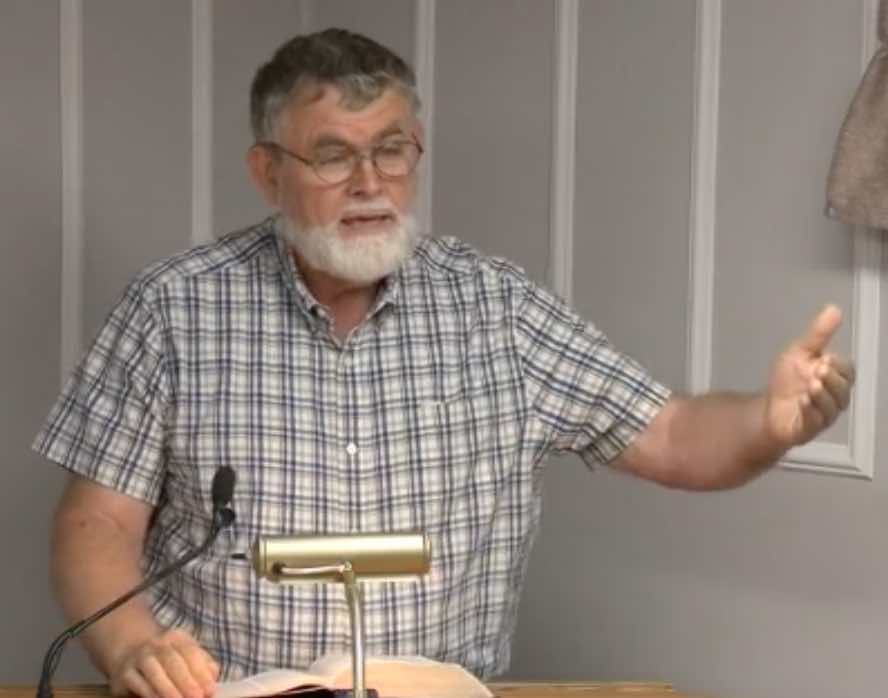
The sermon "Four Beasts Full of Eyes" by Mike McInnis is a theological exploration of the vision presented in Revelation 4:6, emphasizing the sovereignty and holiness of God. McInnis argues that the depictions of the four living creatures serve as a reminder of God's omnipotent reign and the mystery of divine revelation, illustrating the difficulty humans face in fully grasping the glory of God. He draws parallels between John's vision and those recorded by Ezekiel and Isaiah, underscoring that true understanding of God can only come through divine revelation rather than human interpretation or scholarly study. McInnis emphasizes the importance of recognizing God's predestining will, asserting that all creation exists for His purposes and that true worship comes not from human effort but as a response to God's grace in revealing Himself. The doctrinal significance lies in affirming God's ultimate authority and the necessity of His grace for anyone to come to a true understanding of Him.
Key Quotes
“The Lord God omnipotent reigneth. That he is the God of gods. That he's the creator. That he is the predestinator of all things.”
“Men cannot stand before the glory of God. When the Lord appears, men will fall.”
“You can't know a thing about it unless God shows it to you.”
“Our trust, our hope is in Christ. It's in this one who's in this vision, this one whom we can't even describe.”
The Bible describes the glory of God as immense and beyond human comprehension, revealing His holiness and omnipotence.
The glory of God is portrayed in the Scriptures as a magnificent and awe-inspiring reality that no human can fully grasp. As seen in Revelation 4:6-11, the creatures before God's throne continuously proclaim, 'Holy, holy, holy, Lord God Almighty,' expressing His separateness and infinite majesty. This juxtaposition of God's holiness and His role as the creator emphasizes that everything was created for His pleasure. The vision given to John, likened to those seen by Ezekiel and Isaiah, showcases the impossibility of fully comprehending God's glory. Men cannot stand before His splendor, and when they encounter Him, they often fall to their knees in reverence, recognizing their own unworthiness.
Revelation 4:6-11, Isaiah 6:1-5, Ezekiel 1:1-28
Scripture asserts God's sovereignty over all creation, indicating that nothing occurs outside His divine purpose.
God's sovereignty is a foundational tenet of historic Reformed theology. In Isaiah 46:10, it is stated that God declares the end from the beginning, underscoring that His purposes cannot be thwarted. The preacher highlights that nothing occurs outside God's purpose, emphasizing His role as the predestinator of all events in history. Ephesians 1:11 further affirms this truth by indicating that God works all things according to the counsel of His will. Understanding God's absolute sovereignty reassures believers of His ultimate control and the assurance that everything unfolds according to His divine plan, providing comfort and confidence in His governance of the world.
Isaiah 46:10, Ephesians 1:2-11, Revelation 4:11
The holiness of God is central to Christian belief as it establishes His uniqueness and the necessity for reverence in worship.
The holiness of God is foundational to understanding who He is and how we, as His creation, should relate to Him. Holiness—being set apart and entirely different from sin—creates a gulf between God and humanity. As mentioned in Isaiah 6:3 and Revelation 4:8, God's holiness is proclaimed continuously by the heavenly beings, emphasizing its importance. This recognition of His holiness instills a proper fear and reverence in believers, reminding them of their own unworthiness and dependence on God's grace. The acknowledgment of God's holiness leads to a deeper worship experience, recognizing His perfection and purity. It encourages Christians to live a life that reflects His attributes, striving for holiness in personal conduct, which aligns with the call found in 1 Peter 1:15-16.
Isaiah 6:3, Revelation 4:8, 1 Peter 1:15-16
Revelation teaches that worship is centered on the supremacy and holiness of God, where believers acknowledge His worthiness.
The book of Revelation emphasizes that true worship is directed solely toward God, recognizing His supremacy and holiness. In Revelation 4:10-11, the twenty-four elders fall down before the Lord, casting their crowns and proclaiming His worthiness to receive glory, honor, and power. This act symbolizes the humility that comes from recognizing God's ultimate authority and the grace He has bestowed upon His people. Furthermore, worship, as depicted in Revelation, is continuous and everlasting, as the creatures before the throne do not cease to declare God's holiness night and day. This teaches Christians that worship is not merely a ritual activity but an ongoing lifestyle that reflects gratitude and reverence for God’s goodness and grace in their lives.
Revelation 4:10-11, Revelation 4:8

Comments
Your comment has been submitted and is awaiting moderation. Once approved, it will appear on this page.
Be the first to comment!