Bootstrap
James H. Tippins

Judgement and Grace

John 9:38-41
James H. Tippins January, 20 2019 Video & Audio
0 Comments
Gospel of John

Sermon Transcript

Auto-generated transcript • May contain errors

100%
This message is from the teaching
ministry of James Tippins, pastor of Grace Truth Church. More information
can be found online at www.gracetruth.org and www.anchoringfaith.org. A
people for His glory, by His grace. Turn to the Gospel of
John chapter 9. John chapter 9. We will close
this out today and next week be in John chapter 10. I will remind you this sermon
will be a little shorter out of necessity because we have
the Lord's table today and we also have some disciplinary matters
we have to handle at the end of our service. You ever at a place sometimes
in your Christian life where no matter what you do, no matter
how passionate you want to be about the faith and the church
and the word, you just can't find it. You ever been there? You ever been so just life-drugged
or dragged down with life that you just don't even know if you
can go to church? You ever thought to yourself,
you know, it would be a lot easier if we could just not have to
deal with any of these spiritual things or struggle with trying
to worry about reading the Bible? And when we have these moments,
we have, all of us have had them. Some of us are good liars. No,
no, no, never me. We have these things and it's
easy to become guilty in our spirit and our conscience. And
there's a difference and I made a differentiation a couple of
weeks ago about guilt and conviction. knowing that we're guilty through
conviction, but also knowing the gospel of grace and the forgiveness
that's found in the Lord Jesus are two different things. When
it stays in guilt, it's not something that God is doing. We don't stay
in a state of guiltiness because we're not condemned. And this
is probably one of the areas where many professing Christians
fail to find relief, to find joy. where they struggle with
the idea that if I am indeed God's elect, if I have indeed
been born again, why is it that my faith wanes so often? Why
is it that sometimes I feel so strong and alive in the Lord,
but then other times I feel like I don't even care? Now see, there
are a lot of people who would argue that that caring and that
striving is the only evidence that you have of your new birth.
But if that's the case, what do we do with situations that
we see in the Bible, the narrative of the Gospels? Imagine John
the Baptist for just a moment. Imagine John the Baptist in the
way that he boldly proclaimed the coming of the Christ. You
can mute that whole computer. The coming of the Christ. Imagine
John the Baptist when he preached and said, Behold, the Lamb of
God. And everybody was looking at him and everybody was saying,
Oh, look at the zeal that he has. Oh, look at the power that
he hasn't even bathed for years and shaved for years. And he's
weird and he lives out in the woods and he's a wild man, etc. You can imagine. And then when
he was imprisoned, he sent his disciples to do what? To inquire. and make sure that this man was
indeed the Christ. Because he's thinking, wait a
minute, I knew I had to decrease. I want to point to Christ. That's
how I decrease. I point to Christ. I get out
of the way and I preach Christ. I get out of the way and I talk
of Christ. I get out of the way and I show people the true way.
They look at me as the teacher, but I don't want you to look
at me. I want you to look at Him, that He of whom I teach. And
when it was that way, that was indeed decreasing. God, before
the foundation of the world, had planned to decrease John
the Baptist. It was to give him life eternal,
but to take away life mortal. It was by the plan of God that
he would be incarcerated and beheaded. And imagine being some
other people in community who had heard this guy preaching
And thought to themselves, this is a zealous man, he's zealous
for the Lord, he's zealous for the way. And then to be in the
same cell area and to hear John the Baptist say, I'm not sure,
let's go inquire. What they must have said of him.
I knew he was a fake. I knew he wasn't really a believer.
He was just, there was some self-glory in that. They have this divine
insight where they could peek into the heart of John the Baptist
and they knew very well who he really was. See, that's the world
in which we live. John the Baptist was never lost.
John the Baptist was never an object of wrath. John the Baptist
was used by God in conception. In his mother's womb, he wept
with joy by the power of the Holy Spirit when the pregnant
Mary walked into the room because of the presence of his Savior
as a zygote, as an embryo for you biological majors. John the Baptist, though he had
seasons of downtrodden faith, that downtrodden faith, that
doubt, that insecurity in the flesh had no bearing on his eternal
standing before his God. And that's just one of many examples. Oh, the agony of Paul over suffering,
the agony of Paul over starvation, the agony of Paul over the 40
lashes minus one. Many times the agony of Paul
over being shipwrecked and exiled and stoned. Paul survived a stoning. The agony of Paul, imprisoned. But what was the greatest agony
of Paul? The greatest agony of Paul is that Paul desired to
be free of his flesh. To be with Christ is to live.
To be with Christ is to be free of the flesh. To be free of the
flesh is to be free of covetousness. To be free of covetousness is
not to have to fight the war anymore of that which I know
is true and right and holy and righteous and that which I know
of myself which is not. So all the more Paul would say
in his weakness he strives to trust in the perfection of Christ
who is his strength. So this is where Paul's strength
came from. The sufficiency and the faithfulness
of Jesus. Not the sufficiency of Paul. The chief of sinners, King David,
if we go to an Old Testament, King David in the mire of his
adultery, in the mire of his philandering and his lust and
his lies and his deceit and his murder, all in the name of image. Let's take my most faithful,
mighty man, Uriah. And let's let's kill him so that
I can be the hero and take his child and his wife to be my own,
which was David's child. I'll be the hero. And the Bible, God says of David
during that season of his life, that David is a man after my
heart. Really, an adulterous, murdering,
liar, liar, glory seeker. Well, what if he wasn't? What
if he was a humble servant, loving picture of fidelity? Well, then
the world would look at him and say, the Jews would have said,
Oh, look at our King, how virtuous and how righteous. But yet when
he became a adulterer and oh, wow, look at our King. So God had to say of David, this
is a man after my own heart because the court of public opinion did
judge him wrongly. Of course, in the flesh, we are
all guilty of sin every single day. Whether we know it or not,
we are guilty of sin. And the smallest of sin fractions
that are not perfect and absolutely impeccable are worthy of hellfire. The smallest roll of the eye,
the smallest sigh of, the baby's crying again. The smallest frustration of going,
I am so tired, is a lack of gratitude. in his sin. So if we really want
to nitpick sin, oh no, but there's a difference. There's not a difference.
There's a difference in the consequences. There's a difference in the measure
of how sin is seen. Even God says sexual sin is grave. Blasphemy is even worse. But
the judgment is all equal. So for the covetor and the murderer,
the judgment is the same, even though the sins are not as equal
as we think they are in acting and they're not. But none of
us are sinless. None of us are less sinful than
we were even before we were born again because there's no such
thing as almost not a lawbreaker. It's almost right. I was almost
right. Well, what does that make you? You have one question on the
exam, sir, and if you get this math equation correct, you graduate. And there's one answer. That's
not typically how math works, but in my explanation, that's
how math works. This is my illustration. And
the answer is 2, and you put 3. Or you put 2.00001. You were
so close. And he says, oh. You were so close, you were almost
right, but you were wrong. And that's how we need to understand
ourselves. Even when we think we're just
so close, we're still so far away. Because the only one that
brings us near to God is Jesus. Jesus is the only man who stands
in the presence of God in absolute glory. Jesus is God in absolute
glory. And our failings or winnings
in this life in the faith don't slide on a scale of closer and
further when it comes to our relationship with our Heavenly
Father, because the only relationship we have with Him whatsoever is
through Jesus Christ His Son, who is our righteousness, who
is our sanctification, who is our wisdom, who is our life,
who is our truth, and who is our way. Now what does that have
to do with John 9? Everything. Because what we have
in John 9 is a direct illustration of the condition of man. I want
to remind us again, beloved, listen to this. When we think
about fallenness and sinfulness and people who are unbelievers,
what do we automatically think of in our culture? We think of
people who reject the gospel, who spit at religion, who stay
away from church, and who live like devils. Well, what does
living like a devil look like? Living like a devil looks like
a man with a Bible standing in a pulpit not preaching the true
gospel. Living like the devil is someone
who is all well-meaning and loves people and cooks for people and
leans on, gives of themselves for people. That's good. But
Jesus says even the pagans do that for those they love. We often think of the heinous
people who live in a state of debauchery, murdering, and druggery,
and everything else, when the illustration of John's gospel
does not include them. Of course, they're there. But
the illustration of John's gospel includes those who are living
out their lives hellishly as the religious elite. No one had to tell Jesus what
was in man, the end of John two, for he knew what was in man.
He did not entrust himself to those who believe don't pass
tense. And that's the point. They weren't
believing. It's a difference in the gut, the grammar. See,
when we see these believing ones are constantly believing the
ones who believed and don't believe now never did believe. And. These religious people are
blind. And because God in His mercy
and favor and providence and decree and all the above did
not desire for these people to see and be saved, listen to that,
He did not desire for them to see and be saved, that which
was obvious to their physical and natural and religious minds,
which was what in John 3? Remember Nicodemus? He came of
the Pharisees and said, we, who's the we? The Pharisees. We know,
we are confident of this, that you are from God. See, they had confessed just
some years prior to this dialogue here that Jesus, they were confident
he was from God. For no one can do the things
you do except God be with him. And Jesus says something very
profound. And it comes undone here in John
9. What does he say? You can't see
me the way you think you see me. He says you cannot see the
kingdom of heaven except you be born again. You cannot enter
into the kingdom of heaven except to be born again. And the birth
that comes, comes at the will of God, the Spirit who blows
where He wishes and how He wishes and when He wishes. And it was obvious to those spiritual
people what was Christ. He was from God. They'd already
inquired of John the Baptist, are you the prophet, which Moses
was speaking of, which was Jesus? Or are you Elijah? I am neither. I'm not worthy to tie the shoe
of the one who came after me, who was before me. See, this
is John the Baptist testimony in John two and they're scratching
their head. And do you even, you remember
when we talked about that? What is the time of the shoe? Well,
it was a filthy place. It was a dirty land and everybody's
shoes were laced up around the ankles and down sandals, pieces
of leather laced up around the foot. Their feet were filthy.
So when you went into a home before you sat, before you laid
down with your feet at the food, a slave would wash your feet.
It would take off your sandals and wash your feet. And the slave
and the slave alone would tie your sandals back on your feet
when you left. And John the Baptist says, I'm not good enough, I'm
not as good as a slave that ties on shoes. I'm not worthy to tie the shoes
of Jesus. I'm a nobody. Now by John 9, when Jesus said
to his disciples when they asked, who sinned, his mom or this man,
that he was born blind? And Jesus said, neither. This
man was born blind that the glory of God may be revealed. And what
Jesus, we've already learned, what Jesus has done physically
for this man, giving him physical sight, which was a condition
that had to be overcome from birth. He was born blind physically
and only God could unblind him physically. The same thing is
true, as we've already learned, that all men are born blind spiritually,
and only God can unblind man spiritually. And that the judgment,
now we're learning today, belongs to Jesus Christ alone, who is
the God of all. He is the God of all. So the
very ones who everybody says can see spiritually, are what?
Pastors, teachers, devout people, people who seem to live a good
Christian life culturally. And those who say, they say then
those who aren't like them cannot see that they're spiritually
bind, that they're spiritually bankrupt. Jesus is very harsh
with these types of people. Friends, I've already said this
and I'm going to say it again. Our example to follow in the way
Jesus deals with enemies is to shut our mouths and proclaim
the gospel. That's the way we deal with it.
We don't have the authority or the command or the divine nature
in order to act like Jesus in the temple. or to rebuke religious
people in the manner in which Jesus rebuked them. Anybody who
disagrees with that needs to come see me personally. I'm not
talking to you, but I'm talking with you. But we have an epidemic
in our land with people who say they're born again, who act like
Satan. It's bad. We don't mimic Jesus, we submit
to Him. And He says to entrust ourselves
to the Father, to turn the other cheek, to pray for our enemy. And the apostles said the same
thing. So that's what we do. We aren't
the spiritual heads of the universe. We are the sheep of Christ that
He has paid for and bought with His blood. And it's time that
God is glorified in the silly, seemingly frail exposition and
proclamation of the gospel that to the natural man is foolish,
but to those who are being saved is a fragrant tree of life. And
we rejoice and we're glad. So even in the sense of spiritually
speaking from the natural state, the Pharisees knew very well
that Jesus was from God. But something's happening over
the years. The more they talk with Him and the more He reveals
that to be so, those who could not see it before have began
to see. And those who said they could
see it in the beginning have began to go blind. And that's
where we are today. Let me start in verse 24 and
read John chapter 9, because I think that this man even sees
it himself. So for the second time they,
the Pharisees, called the man who had been born blind and said
to him, Give glory to God. We know that this man, Jesus,
who healed you, is a sinner. Now see that? They confessed
that he was from God and now they are saying publicly, this
is public, everybody in the temple, in the temple area can hear him.
This man's a sinner. And the man said, Jesus is a
sinner, the man said, whether he's a sinner I do not know.
One thing I do know though is that I was blind and now I see.
They said to him, what did he do to you? How did he open your
eyes? And this is the second time they've asked this. He answered
them, I've already told you and you would not listen. Why do
you want to hear it again? Do you also want to become his
disciples? Do you also want to believe? Do you also want to
follow after Christ? And they reviled him. They mocked
him. They made fun of him. And they said, You are His disciple,
but we are Moses' disciples. And we know that God has spoken
to Moses. Now, remember John 5? Jesus says to the Pharisees,
You search the Scriptures because you think in them you will find
eternal life. But they speak of Me. He closes
out that discourse in John 5 with the same group and says to them,
I will not indict you. but Moses will indict you because
he wrote of me." The highly religious, the blind,
they search the Scriptures often. That's why it's so hard from
the surface to distinguish who is blind and who is not blind.
It's hard for us to see just in a superficial relationship,
someone has the Bible, they're reading the Bible, we assume
that they're at least Christian in their attitudes or the peripheral
of the faith. And then we talk to them about
the gospel and they agree and they go, Oh yeah, I believe in
the sovereignty of God. I believe in the gospel of grace. But it's ill effective. And it's ineffective in several
ways that we'll talk about as we get through this today. But
one of the ways it's ineffective is that when there is camaraderie
and unity, that's supernatural and spontaneous by the Holy Spirit.
See, the spirit cannot despise himself, beloved. Look. God,
the Holy Spirit cannot despise himself. God, the Holy Spirit
cannot despise the son. The father. and vice versa. God
the Holy Spirit cannot despise Himself, so in the same way that
we who are in unity in the Gospel, who are indwelt with the Spirit
of God, will not despise each other for long. We may feel it
in our flesh, but we will, by the Spirit, put it to death. And that's one of the graces,
that's one of the instrumental outcomes of the work of God. In May, we're going to have a
couple of brothers come and we're going to do a Saturday all-day
conference on the person, the work, and the nature of the Holy
Spirit. Because we as a church, myself included, we need to know
more about the Holy Spirit. Baptists need to understand the
Holy Spirit is not, I don't know, indigestion. Who is He? I think the Spirit's talking.
No, that's that bacon you had this morning. I mean, you know,
no. That's about as far as Baptists know anything about the Holy
Spirit. The Holy Spirit is a person and He is active in the life
of the believer. So in May we're going to have a conference. We're
going to come, for those of you who can, and we're going to enjoy
some teaching contextually about the Holy Spirit. But the Holy
Spirit works in the life of His people. And He empowers us and He teaches
us through His Word. And the Pharisees, when they
would hear the Word of God, Jesus Christ speaking, they would not
and could not receive it because they did not have the Spirit.
So when their theology and their doctrine error, when the error
of their theology and their doctrine was corrected by the Word of
God and they threw it out, it was evidence that they were not
of God because they refused it. And it's not just that they refused
the teaching, they refused the very God Himself. They refused
God Himself, Jesus Christ, God the Son. And they hated their brethren. They hated this man because in
all appearances of the way they saw what righteousness looked
like, this man was weak. He was blind because he'd sinned
in the womb of his mother. That's what they believed. Somewhere
between conception and delivery, this man had some wickedness
going on. I know what it was. He stole
his mother's sleep. He's a thief. He caused her great pain. I mean,
infants, they wreck the human body. It's amazing to me. We're
really parasites before we're born, if you want to be honest.
I know that's not technically true, but it's funny to think
about for all of our science-minded people. But they hated him. They didn't love this man. They
weren't even compelled to see him redeemed. They were just
compelled to stay at arm's length. And then when he was given his
eyes back, the only answer to that amongst the entire nation
is that God did it. There is no power. There is no power outside of
God to heal blindness. And I know some people say, well,
you know, I've heard of doctors being able to heal blindness
and I see things that we can do now for deaf people. Great,
but that's not healing. It's improving. It's technology
or medical science that improves, but having no eyes and then having
new eyes, that's healing. And only God can do that. Being
spiritually dead and walking in some way that you become a
student of religion, a student of the Bible, a student of the
gospel, and walking around amongst Christians who are born again
doesn't make you alive. As a matter of fact, Hebrews
10 deals with that very clearly. There are many people, what?
Who are among us. The warning passages of Hebrews
6 and 10, we see that even there are people that Paul would say
in those texts that have tasted the heavenly gift, seen the power
of the age to come. What's the power of the age to
come? The Word of God. That's what it means. Shared
in the Spirit. How do you share in the Spirit?
The Holy Spirit is working in the life of His people and you're
hanging out with His people, you get the benefit from the
mutual affection and ministry of the church in whom the Holy
Spirit is indwelling and who are baptized into Him. That's
the point. But when it comes to Christ,
when it comes to His revelation of Himself and what He accomplished
and for whom, and they hear it, those who are not born of God
but are highly esteemed as religious and pious and so-called Christian,
they come to a place where they go, that doesn't make any sense
and it doesn't matter because I want this. It doesn't matter
because this is what I think. It doesn't matter because I have
my own interpretation. Where did you get that? God told
me. Well, if God told you, then there's
a lot of things that will be true. It will be provable in
the argument of Scripture throughout. And it will also be substantiated
by those whom God has called to be together as His church,
who are also filled with the Spirit and also taught by God. And I'm not saying that's foolproof,
but that's just the way God has done it. And the elders of a
church, that's why we have a plurality of elders. Because, I mean, I
could get up here and charismatically just push us in any direction
I wanted to. Or even in error. I could hide
things and skip things, but because we're committed as a congregation
to a plurality of oversight, we trust in the Lord through
His Word to give us confidence to know that even when we think
the elders aren't doing what we wish they would do, that they
are doing what God has called them to. And I'll promise you
this. I had this conversation with
a couple of guys this weekend, and even somebody got ahold of
Trey, a friend of mine, and gave him and Sidney a good lesson
on what ministry is going to do for them. And I got up from
the table and resigned. I mean, it was terrible, but
it was true. It's not easy, is it, Jesse? It's not easy to shepherd God's
people. It's not about sitting there,
drinking coffee, smoking a cigar and enjoying jazz music in the
background while we just, you know, play a little chess on
the side and enjoy life and go, yeah, I'll tell you what, that
John 9, that's just going to be great. Those people are going
to just cheer for joy when we get through. Some people think that's what
pastors are. And if it's not that side of the world, they're out
there, you know, listening to some classical guitar while they're
playing golf or something. Oh, well, better get John 9 prepared
Sunday morning. Oh, it's about 9 o'clock, better
get started. Even if it was that easy in the study of things,
it's not that easy in the labor of things. When we're looking
at the Word of God and we're seeing these things, you know
what it matters? It matters that your faces are in my soul. That
your lives and the things that are going on with you are concerning
me. and that the teaching of the
Word of God as it is being prepared by the Holy Spirit for us, for
me as well, as a part of this church family. I'm a member of
you and you and we are all members of one another. That's what Paul
teaches. We labor in the Word of God because we trust in the
Word of God and we don't have to let our emotions and our fears
and our doubts and most of all, our earthly wisdom, we don't
have to let our earthly wisdom usurp the authority of God's
Word. We don't have to worry about that. What we think and
what we feel is irrelevant to what God has taught us. And that's
where the Pharisees and people like the Pharisees cannot see.
Why? Because they're being blinded.
They're being blinded. It's not just that they are blind
to say, we know you're from God. Jesus says you can't see unless
you're born again. I thought I just said I could
see. Well, knowing I'm from God is not trusting in me as God.
It's not trusting in what I say that I will do for my people,
what I've accomplished. That's why John 6 is such a stark
change. You notice? They thought it was crazy. Then
they all had a demon. Now they know he is a demon.
He's a sinner. And they'll eventually call him
the devil. Your healing and your teaching is by the Spirit of
Beelzebub, they'll say. And what we need to understand,
friends, is that in our lives, we're going to have people that
will come alongside of us, and by every ounce of evidence, they
will seem to be of us. And then by the time something
comes up that they can't see the gospel, and we wonder what's
happening, we wonder why this world is so... full of all of
these things. Why do these people fall away?
I ask that all the time. You ask them, they'll say, Why
didn't fall away? You ask them, Do you love me?
They'll say, Yeah, we love you. But what is love? Love is not
how you feel toward people. Love is your commitment to people. I mean, many of us in this room
have been married over 20 years plus. And I will promise you
this, and if you've been married over two years, you've had many
opportunity in your mind to flush that relationship. Many good,
valid reasons in your selfishness, or even not in selfishness, that
it would be better off single. But you're not. Love isn't what
we do to stay together because of how we feel. We don't go back
to where we started and find the feelings that we have. I've
seen people counsel that way, and I ask that question sometimes
so that I can rebuke it. But we don't go back to where
we started and say, oh, remember when you first met? Yeah, I didn't
even know her name. That's sort of creepy. Who are
you, girl? I mean, you don't treat your wife 24 years that
way, because that's creepy. But you're committed. No matter
what, that's love. You're in covenant. That's love.
The people of Israel were in covenant with God according to
the principles and the precepts of the history of the writings
of the prophets and they that they look to to lead them in
this charge and in this life were blind guides. They couldn't
see. They misinterpreted the scripture
throughout their entire lives. We don't misinterpret the scripture
when the gospel is at the center of it. Because it all points
to Christ. Christ, who is God, died for
His people while they were still sinners. He who knew no sin became
sin that we might become the righteousness of God. Beloved,
that's love. And we are in covenant with one
another. That's why the marriage is a temporary picture of an
eternal reality of Christ in the church. It is a small microscopic
shadow, just like the temple, just like the sacrificial system,
just like all of the things that we just like the church today.
This is a temporary shadow. But the cool thing is, is that
our relationship as brothers and sisters is eternal. But our
relationships in the shadow of Christ and his church in marriage
is not eternal. It doesn't have a purpose after
that. But these leaders, they weren't
becoming angrier and being more frustrated and finding a time
and just saying, you know what, we're just really, it's real
easy for us to put ourselves in a place of saying, well, why
do they get more upset with Jesus? This is why they got more obstinate.
Because God blinded their eyes more and more and more and more
and more. Remember the parable that Jesus
talks about the talents? and get this guy some money,
and get this guy some money, and get this guy some money. And the
master went away and said, use my money and multiply it. Two
of them went and multiplied it to the best of their ability.
The one says, I don't want to lose the master's money. I'm
just going to bury it in dirt. And Jesus comes back, or the master
comes back, and Jesus says, the master comes back, and where's
my stuff? And one guy had a whole bunch,
and the other guy had a little bit, and this guy dug it up and
gave him back his original. He called him a wicked and lazy
servant. He says, I'm going to take from this guy, and I'm going
to give him, give it to the one who did well. This guy has nothing.
Then Jesus illustrates it this way. Those who think they have
something, what they think they have will
be taken away. Spiritually blind people think they have something. People who don't have the gospel
think they have something. Friends, there's only one thing
that Jesus continually says about his people. You don't measure
your assurance in this, but through the local assembly, we measure
our exercise of church discipline based on these things. Jesus says, if you love me, you'll
obey me. And then Jesus says this, what does he say? The world
will know you are my disciples because you have love for one
another. Paul served Christ by suffering for the church. These Pharisees would have served
God by suffering for their people, but they never suffered. And
when they saw suffering, they had disdain toward those who
suffered because they were not as good as they were. The suffering
in their life was an indicator of a spiritual problem when Jesus
said it was the ones who suffered that was a good indicator they
belong to God. Paul tells Timothy, those who
desire to live a godly life will be persecuted. And we know what
persecution looks like. I've gotten an email in the last
few days from some friends of mine overseas and persecution
is terrible. I mean, it's, I don't know if
we're going to live throughout the week. It's just sort of hard
to say. I mean, even where your parents
are. It was bombed this week. Where your parents lived were
bombed. They're not there, thankfully. Somebody was. And yet, that persecution comes.
What was the persecution of Paul? Paul was hated. Paul was ostracized. Paul was in the head of everything.
You don't get any higher than where Paul was in society. There
was no greater. The richest man in the world
had less authority than Paul. Because it wasn't money that
bought you power in the days, in a spiritual sense. It was
spirituality. And Paul suffered that way. Paul
suffered ridicule. Paul suffered all these things.
The apostles, they suffered all things for the cause of Christ.
The reward of heaven, if we were to really understand this, and
how we deal with suffering in the life of the church, is that
we see that when we are loving each other, we are only then
loving Christ. We can believe the gospel. And
we will love each other, church. And love is not how we feel.
Love is what we do. And we are in covenant with each
other. And we see these people. And they have gone from you are
from God to you are a sinner and are not from God. Now this
man says he is not a sinner because only God can open the eyes of
the blind. And not in any time in history has it ever been heard
that someone has done this. This man must be from God. And
we know that God does not listen to sinners, but He listened to
this man. So where does that leave you
in that argument? You're going to teach us who
were born in utter sin, and they cast Him out. And last week we
looked at Jesus and what He said there. Let's keep reading. Verse
30. This is an amazing thing. You
do not know where He comes from, and yet He opened my eyes. We
know that God does not listen to sinners, but if anyone is
a worshiper of God and does His will, God listens to him. Never
since the world began has it ever been heard that anyone opened
the eyes of a man born blind. If this man were not from God,
He could do nothing. They answered Him, You were born
in utter sin, and You teach us. And they cast Him out. Jesus
heard, verse 35, that they had cast Him out. And having found
Him, He said, Do you believe in the Son of Man? He answered,
Who and where is He that I might believe in Him? And Jesus said
to him, You have seen Him, and it is He who is speaking to you.
And verse 38, and I'm going to pause here and talk about it
for a second. He said, Lord, I believe. And He worshiped. Let's stop there for a second. The whole point of the spiritual
blindness is that it brings about a lot of elemental fruit. Though we can have a cognitive
understanding of spiritual things, when it comes to the fullness
of who Christ is, only those who are born again can rest in
the fullness of who Christ is. They couldn't see that Jesus
was even divine anymore. because God was taking away their
sight more and more and more. But even what they could see
was insufficient. And Jesus being God, and that
means that everything He teaches is fully authoritative as God,
and that everything He does is fully effectual as a sovereign
God, for us to reject any part of who Christ is or what He says
is to reject Him in total. That is inclusive of the gospel.
That is inclusive of the work of the cross, its efficacy, what
it did, what it accomplished, how it works, the Christological
teaching, the teaching, the study of Christ, these things that
we see in John 6 and John 7 where Jesus talks. And now we're getting
into next week, John 10. I mean, listen to what John...
Well, I won't say it. At the end, I'll read the first
verse of John 10. But how do we as the elect, as the church,
as the bride of Christ, as the true born of heaven, how are
we to know what is true and what is not? We know the voice of
our Shepherd. That's going to be the argument of John 10. And
only those who have been made alive in Christ will hear the
voice of the Shepherd. And only those who are the elect
for whom Christ died will ever be allowed to hear the voice
of the Shepherd. And we must articulate this in
our lives with other people, especially with each other, beloved.
So when we then can say we believe in the gospel, but we can't believe
in the nuances of what this relationship looks like with each other, we
have a major problem. If we say that Christ who created
the world and saved me from the judgment of God the Father can
do all that, but He can't fix my marriage, there's a problem. Or that He can't give me the
sufficient grace to endure it. Or He can't He can't help me
through this pain, or He can't help me in this circumstance.
What in the world is wrong with our faith? It's just like where
John the Baptist was sometimes, yeah? That's why I started with
that. Because it's easy to say those things, and everybody's,
oh, I'm so guilty. Listen, I'm talking about my life, okay? Everything that I ever give in
this example, unless it's an absurd thing that's obvious,
I mean, these are things that I've experienced. I've experienced
doubt, and do. I've experienced pain. I've experienced
hopelessness. I've experienced wondering if
I was even born again. Since I've been in Grace Truth. But it's not about where I settle
myself, it's about what God has settled. So the perfection of
the work of Christ is sufficient. The Holy Spirit of God testifies
to me that I am a child of God because of the promises of God
in His Word and what He accomplished on the cross of Christ. Then
my hope rests in Christ alone, who is my righteousness. My sins
are forgiven because God killed Jesus. Jesus cannot die for a
hypothetical forgiveness. That's ridiculous. And we who are the children of
God, we believe in that. But it's so easy to get caught
up in the culture of fake Christianity and evangelical cultism and,
and, and fundamentalism and all these other labels that people
are so passionately created through the centuries. They have so,
such a manifold wisdom. I mean, it's such a manifold
wisdom. I mean, Ephesians, such a manifold meaning that we don't
even know what they mean anymore. But these Jews could not see.
And Jesus found the one who was cast out from the religious elite. And then he worshipped him. He
called him Lord. Now, if he just said Lord, it could have been
Master, it could have been Sir. But friends, there is not a Jew
in the witness of this thing. They're standing there. They're
standing in the eyes and ears of the Pharisees. The Pharisees
are watching this man. They just cast him out. Jesus
finds them and they're listening to what Jesus is saying. And
Jesus says, Do you believe in the Son of Man? He says, Lord,
I believe, and he worshiped. What did that look like? He probably
fell on the ground in front of him. So now the whole of spiritual
kingdom of Israel is watching this man whose eyes were given
to him on the ground, bowing down to Jesus that the Pharisees
just said was a sinner. And that brings us to our sermon
today. That was the introduction. Verse 39. And Jesus said, for judgment
I came into this world that those who do not see may see, and those
who see may become blind. Some of the Pharisees near him
heard these things and said, are we also blind? And Jesus
said to them, if you were blind, you would have no guilt. But
now that you say we see, your guilt remains. There's a lot that I want to
say about this, but I can pick it up in John 10 because it relates
very, it's a segue right into this discourse. This is what we need to see,
pun intended. Jesus says, for judgment, I came
into the world. Now when people hear that, oh
my goodness, see how contradictory the Bible is. Jesus is just flitting
around all over the place. He told Nicodemus years ago that
God did not send his world into the world to condemn it, but
that through him the world might be saved. But verse 18 of John
3 says what? Those who are not believing are
condemned already. And then Jesus says, and this
is the judgment. Jesus came into the world for
judgment. He's God. John 5 shows us the
authority of judgment. He is divine. He is the God of
heaven. He is the creator of the world.
He is the second part of the Holy Trinity of God. He is God,
the son eternally. And he says for judgment, this
is what I came to do. Those who do not see, see. And those who see, blind. Okay? Now, he's not... Listen,
this phrase is to be taken in context and understood as it's
given. We don't take this little phrase
and create an entire theological system out of it if it contradicts
Jesus is not saying that the Pharisees have spiritual sight.
He's saying that they think they do. And he says it in their earshot
so that they would ask the question, are we blind? Because haven't
they already been upset at the fact that Jesus said, you're
going to die in your sins if you don't believe in me? And
they're not going to see that. They're not going to believe
that. And what happens? Jesus says it. I came into the
world for judgment. And this is the judgment. The
light comes into the world, but people love the darkness rather
than the light. I'm just going to paraphrase
this, put it in context of John's Gospel. But the religious and
zealous leaders of our day who pray and sacrifice and worship
and teach the Bible are darkness. And all that they do is darkness
because they do not see the light of the Son of God. That's what
he's talking about. But John gives us a clear picture
that Jesus illustrates absolutely phenomenally in this chapter.
He is the light of the world. The light will not be overcome
by the darkness. So there is no unbelief, there
is no spiritual blindness that will ever overcome the light. You see that? Here we go. We
know that. You cannot see Me, you cannot
believe in Me, John 6, because the Father has not given you
to Me. Only those that the Father has
given can believe in Me. And all that the Father gives
will believe in Me. That's what Jesus says in John
6. And all who believe will be raised up in the last day. They
will have eternal life. But you, spiritually, blind people
who think you are right with God. You, Jesus is saying, will
die in your sins, for you are not the children of Abraham who
rejoiced in My day. You are not the disciples of
Moses who wrote of Me. You are not the children of God,
but you indeed are the children of Satan, and because of that,
you are going to continually be blinded. Romans 1, Paul teaches
that those who know the truth cognitively, because God makes
Himself known just through the handiwork of His creation. It's
obvious what is taking place in the world proves that there
is a God, but that God, what? He blinds their eyes as they
continue to suppress the truth by works of unrighteousness,
when they see the holiness of God and the requirements of God,
and they do the very opposite, which includes believe in the
Son that He has sent, which is the work of God. God turns them
over to a reprobate mind so that they will do what is unnatural,
and He gives a whole list. He starts with sexual immorality,
which is one of the basic fruits of reprobation. And a whole list
that goes down to gossip and everything else. that these people
just go from bad to worse, to worse, to worse, to worse. And
you might say to yourself, well, how is that seen in the Pharisees?
We don't ever remember a debauch lifestyle in the lives of the
Pharisees. What's more debauch? Sexual immorality or spiritual
adultery? To call Jesus Christ the worker
of Satan. So just because it doesn't fall
in line with all these things, God blinds the eyes of the reprobate. And this, a clear picture of
it here. That judgment, we often think
that judgment is all about condemnation. And when Jesus says to Nicodemus,
the world in John 3, in context there, have a fifth grader read
it. Just read the whole thing. They'll
go, okay, I understand this. If they have a little bit of
understanding of grammar. Jesus didn't come down here to
condemn the whole world, but that out of the world he would
what? He would save. But he will judge most of the
world. And most of the world are guilty forever. For the elect,
our guilt is satisfied in the death of Christ. And we believe
in this, that is saving faith. And I'm working that out in that
context of even how our vernacular has twisted that phrase. Faith is believing in the salvation
that is from God through the finished work of Christ who is
our propitiation. Trusting that Christ alone is
how we're saved, not because of ourselves, not because of
our works, not because of our faith even. We don't have faith
in our faith. We have faith in the finished work of Christ.
And people like to play with those words and to make a whole
heresy out of it. They don't play with them, just
take them for what they are. I came to the world for judgment,
and here's what the judgment looks like. It's two-sided. Those
who think they can see, I'm doing the negative first so I can close
in the positive. Those who think they can see, I'm going to blind
them. And those who cannot see, I'm
going to give them sight. Jesus illustrates this in a lot
of different ways throughout His teaching, but He says things
like, I came for the sick. That's a great position. not
the whale. I came for the lost, not the
ones who were already found. You think you're God's people?
I didn't come for you. But you're not God's people, you see? And
in the life of the believer, the testifying, the witness of
the Holy Spirit in our lives is always coupled with several
things that are obvious to us that we at no time are we ever
truly righteous in our personal flesh. imperfection. We know. We know where we really
are in our flesh, and that if it weren't for the mercy of God
and him pouring out his judgment on the flesh of Jesus that was
impeccable, we would be in a very bad position of eternal condemnation. But God did what he did because
of his love for us. This is something we know as
Christians. We also know that our faith is
going to be, is going to wane. There are going to be seasons
of strength and there's going to be seasons of weakness and
there's going to be seasons where we just feel like we're just
not even sure what to believe anymore. But the Holy Spirit
of God in those times, Paul says in Romans 8, which by the way,
I start back this Wednesday in this very text, the Spirit of
God prays for us in our weakness. Some people say, well, you're
not praying enough, that's why God's not doing anything. Listen, when you're
unable to pray, there's a difference in just caring less to pray versus
being unable to pray. When you're unable to pray, God
prays for you. God prays for you and God prays
and He knows the mind of God. So His prayers are always effectual
and always yes. Always answered in that way. And we are always able to see
the truth of Christ. And in doing so, we're always
able to come to the resolution of knowing that no matter what
we deal with, even as the body of Christ, that the greatest
service to Christ is service to Christ's people. So God's people throw out God's
child because God healed that child of blindness. And now he
could see the beauty of grace. and the beauty of unity, and
the beauty of intimacy, and the beauty of the Gospel that empowers
us through the words of Christ to live as Christ's people in
love with each other, not because of our love, but because of Christ's
love in us. The Pharisees had none, and they
distanced themselves from those types of people who believed
in the satisfaction of the finished work of Christ alone. We were blind, and now we see. We see. There are many who would say,
just like these Pharisees, are we also blind? You know what
that implies to me? They're thinking that if Jesus says they're blind,
He's calling them What? Dead. Which by what he just said,
the grace of God in judgment would give them light. Because
if you can see that you're blind, you've been given sight. So to me, sort of asking that,
they would have hated for Jesus to say, yeah, you're blind. And
they would have rebuked him for it. And thrown him out of the
temple. Isn't that funny? But Jesus says,
if you were blind, you'd be innocent. But now that you say, we see,
you're guilty. And not that you're guilty because
you say you see, the guilt that you had before you even considered
it remains. Jesus Christ gives sight to the
blind. Beloved, He's given us eyes to
see the truth. He's given us eyes to see what
life together as the church really looks like. He's given us eyes
to understand and comprehend the scripture. He's given us
eyes to hear His voice. I know that's supposed to be
ears, but same thing. He's given us eyes to behold His glory,
the glory as the only Son of the Father, full of grace and
truth. It is the namesake of our assembly. It's where it came
from. We see because of the mercy of
God, and it does hurt us when those around us can't see and
say they can. But we have to rest and know
that Jesus sees us. And when we feel cast away, Christ
has found us. And we pray for those like these
Pharisees, that God would save His people from their sin and
cause them to see. But we rest knowing that judgment
includes not just blindness for those who think they can make
it on their own, not just blindness for those who think that their
righteousness is a better example, not just blindness for those
who cannot see the unity of the gospel in the practical teaching
of the apostles, but judgment is also this, I give sight to
the blind. See, Jesus in His judgment, in
His authority to do what He can do and wants to do by the will
of the Father, gives sight to whom He wishes. And He has the
right to make that judgment and to blind who He wishes. Y'all
think Paul made that stuff up? No, he's just quoting Jesus in
John 9 and John 5. For all authority is given unto
the Son of Man, that every person in the grave will hear the voice
of the Son of Man and come out of the graves, some unto everlasting
judgment and death, and some and others unto everlasting life. Praise God for His judgment and
His wisdom to save us. We're not any better than anybody
else. We're not any more worthy than anybody else. We are the
recipients of the love of God and His mercy toward us through
the finished work of Christ. And the result of that in our
hearts is that there is nothing that can offend us so badly.
There is no debate over doctrine that could divide us where we
would not say, Oh, Father, thank You for Your mercy. I praise
You for the glory of Your grace." That's what we do. And when we
as a church are where we are, and have to do the things that
we do because we're commanded by God to do so, we are in that
place that we can trust in the sufficiency of His Word, and
in the Gospel, and the unity of the Holy Spirit, and we can
move not on, but move forward, as God has called us to. And so with that, I'd like to
pray. And then we'll stop the broadcast and continue our service. Lord, it is it is hard to hear
this teaching, because in our in our minds, even though we
know the truth, our minds sometimes just It gets bogged down. We get bogged down in trying
to figure it out. How do you discern, Lord? You don't discern,
Father. You have ultimate wisdom, the
counsel of your own will, your desire, your decisions, your
decrees are eternal. They don't change. You have done
all that you've done before the foundations of time. You accomplish them as you see
fit in the manner, in the time in which you see fit. And you
reveal those things to us fully as Christ alone satisfies your
wrath for us. And Christ alone is our righteousness. And Christ alone is our resurrection. And so, Lord, as we Take your
table as we remember the death of your son. Let us reflect clearly
in the truth of what you accomplished through the blood and body of
Christ and what it means for us eternally. and how we should
relate to one another. Father, nobody should not take
of this table. Help them be resolved in their
heart. No matter what they're going through, this moment, remembering
the Gospel, being at peace, crying out, confessing the sins that
we have toward others in our heart, Lord, establishes the
continuation of the faith that You gave us. We haven't lost
it, we just lose sight of it so often, Lord. Let us not forsake
the table for it is a means of grace through which we are reminded
of your work. Father, only those who are disciplined
or refuse the table, only those who will not turn from their
sin and love each other, see the error of their ways and blindness.
see their judgment, or refuse that intimacy with the body.
Let us all take of this cup today, Father, by the grace that is
in Christ. And I pray these things in His
name. Amen. Thank you for listening. We hope that this message has
encouraged you in the faith. Subscribe to these messages and
other teaching resources and podcasts at anchoringfaith.org. More information about the church
can be found at gracetruth.org.
James H. Tippins
About James H. Tippins
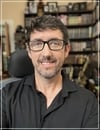
James Tippins is the Pastor of GraceTruth Church in Claxton, Georgia. More information regarding James and the church's ministry can be found here: gracetruth.org
Broadcaster:

Comments

0 / 2000 characters
Comments are moderated before appearing.

Be the first to comment!

Joshua

Joshua

Shall we play a game? Ask me about articles, sermons, or theology from our library. I can also help you navigate the site.