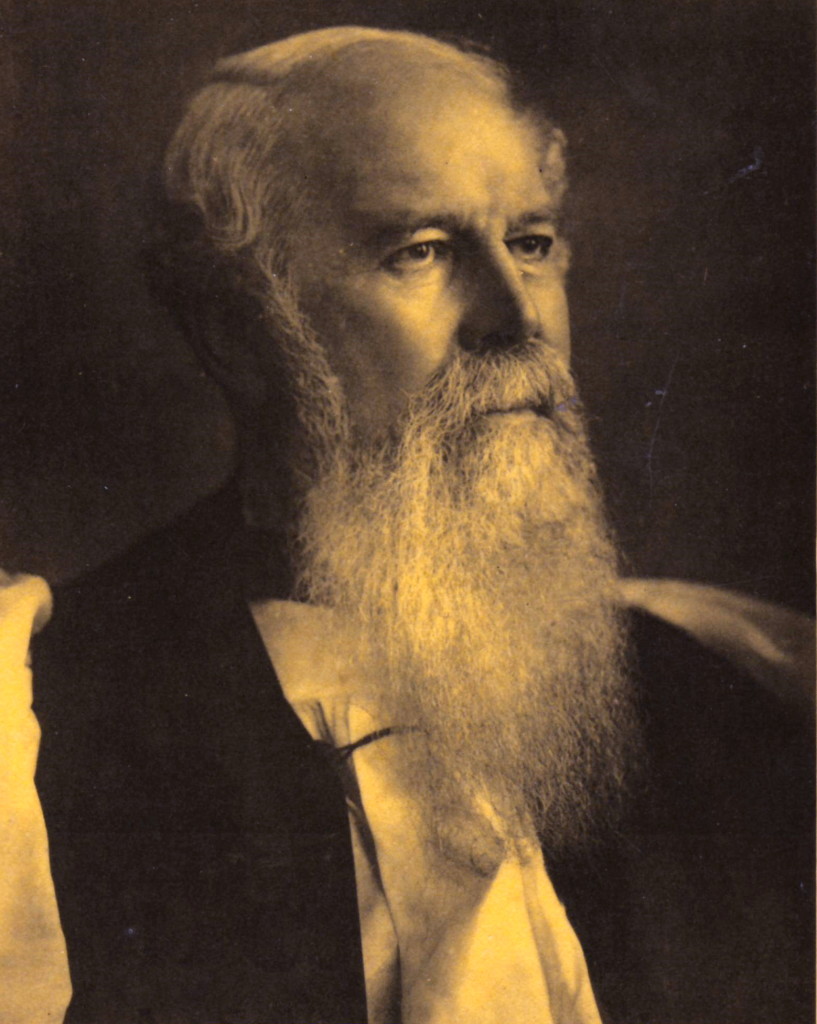
In J.C. Ryle's exposition of Matthew 22:34-46, the main theological topic is the essence of the law as summarized by Christ in terms of love for God and neighbor. Ryle emphasizes that the commandments to love God with all one's heart, soul, and mind, and to love one's neighbor as oneself encapsulate the entirety of the law and the prophets (Matthew 22:37-40). He supports his argument with Scripture references such as 1 John 4:19, affirming that genuine love for God arises from reconciliation through Christ, and Galatians 5:22, which describes love as a fruit of the Holy Spirit, highlighting the necessity of regeneration for true love towards others. The practical significance of this exposition lies in Ryle's assertion that authentic love, rooted in faith and the transformative work of the Holy Spirit, is fundamental to both obedience to God and harmonious relationships with others. He challenges readers to reflect honestly on their relationship with Christ as the foundation for their ability to love.
Key Quotes
“Love is the grand secret of true obedience to GOD.”
“We can never really love Him until we are at peace with Him through Christ.”
“We cannot have love to God and man without faith in Christ and without regeneration.”
“What do we think of Christ? ... May we never rest until we can give a satisfactory answer to them.”
What does the Bible say about loving God and neighbor?
The Bible commands us to love God with all our heart and our neighbor as ourselves, summarizing the law and the prophets.
Matthew 22:37-40
How do we know that love is essential for Christian obedience?
Love is essential for Christian obedience as it transforms duty into delight, leading to genuine compliance with God's commandments.
1 John 4:19
Why is loving your neighbor important for Christians?
Loving your neighbor is crucial for Christians as it reflects the heart of Christ and fosters community and trust.
Galatians 5:22
How can we obtain true love towards God?
True love towards God can only be obtained through reconciliation in Christ and the work of the Holy Spirit.
Romans 5:5, 1 John 4:19
In the beginning of this passage we find our Lord replying to the question of a certain lawyer, who asked him which was "the greatest commandment of the law?" That question was asked in no friendly spirit. But we have reason to be thankful that it was asked at all. It drew from our Lord an answer full of precious instruction. Thus we see how good may come out of evil.
Let us mark what an admirable summary these verses contain of our duty towards God and our neighbor. Jesus says, "You shall love the Lord your God with all your heart, with all your soul, and with all your mind." He says again, "You shall love your neighbor as yourself." And He adds, "The whole law and the prophets depend on these two commandments."
How simple are these two rules, and yet how comprehensive! How soon the words are repeated, and yet how much they contain! How humbling and condemning they are! How much they prove our daily need of mercy and the precious blood of atonement! Happy would it be for the world, if these ruleswere more known and more practiced!
Love is the grand secret of true obedience to GOD. When we feel towards Him as children feel towards a dear father, we shall delight to do His will. We shall not find His commandments grievous, and work for Him like slaves under fear of the lash. We shall take pleasure in trying to keep His laws, and mourn when we transgress them. None work so well as those who work out of love. The fear of punishment, or the desire of reward, are principles of far less power.
They do the will of God best, who do it from the heart. Would we train children right? Let us teach them to love God.
Love is the grand secret of right behavior towards our FELLOW MEN. He who loves his neighbor will scorn to do him any willful injury, either in person, property, or character. But he will not rest there. He will desire in every way to do him good. He will strive to promote his comfort and happiness in every way. He will endeavor to lighten his sorrows, and increase his joys. When a man loves us, we feel confidence in him. We know that he will never intentionally do us harm, and that in every time of need he will be our friend. Would we teach children to behave aright towards others? Let us teach them to love everybody as themselves, and do to others as they would have others do to them.
But how shall we obtain this love towards GOD? It is no natural feeling. We are born in sin, and, as sinners, are afraid of God. How then can we love Him? We can never really love Him until we are at peace with Him through Christ. When we feel our sins forgiven, and ourselves reconciled to our holy Maker, then, and not until then, we shall love Him and have the spirit of adoption.
Faith in Christ is the true spring of love to God. They love most who feel most forgiven. "We love him because he first loved us." (1 John 4:19.)
And how shall we obtain this love towards our NEIGHBOR? This is also no natural feeling. We are born selfish, hateful, and hating one another. (Titus 3:3.) We shall never love our fellow man aright until our hearts are changed by the Holy Spirit. We must be born again. We must put off the old man, and put on the new, and receive the mind that was in Christ Jesus. Then, and not until then, our cold hearts will know true God-like love towards all. "The fruit of the Spirit is love." (Galat. 5:22.)
Let these things sink down into our hearts. There is much vague talk in these latter days about love and charity. Men profess to admire them and desire tosee them increased, and yet hate the principles which alone can produce them. Let us stand fast in the old paths. We cannot have fruits and flowers without roots. We cannot have love to God and man without faith in Christ, and without regeneration. The way to spread true love in the world, is to teach the atonement of Christ, and the work of the Holy Spirit.
The concluding portion of the passage, contains a question put to the Pharisees by our Lord. After answering with perfect wisdom the inquiries of His adversaries, He at last asks them, "What do you think of the Christ? Whose Son is He?" They reply at once, "the son of David." He then asks them to explain, why David in the book of Psalms calls Him Lord. (Psalm. 110:1.) "If David then calls him Lord, how is he his son?" At once His enemies were put to silence. "No one was able to answer him a word." The Scribes and Pharisees no doubt were familiar with the Psalm He quoted, but they could not explain its application. It could only be explained by conceding the pre- existence and divinity of the Messiah. This the Pharisees would not concede.
Their only idea of Messiah was, that He was to be a man like one of themselves. Their ignorance of the Scriptures, of which they pretended to know more than others, and their low, carnal view of the true nature of Christ, were thus exposed at one and the same time. Well may Matthew say, by the Holy Spirit, "neither did any man dare ask him any more questions from that day forth!"
Let us not leave these verses without making a practical use of our Lord's solemn question, "What do you think of Christ?" What do we think of His person, and His offices? What do we think of His life, and what of His death for us on the cross? What do we think of His resurrection, ascension, and intercession at the right hand of God? Have we tasted that He is gracious? Have we laid hold on Him by faith? Have we found by experience that He is precious to our souls? Can we truly say He is my Redeemer, and my Savior, my Shepherd, and my Friend?
These are serious inquiries. May we never rest until we can give a satisfactory answer to them. It will not profit us to read about Christ, if we are not joined to Him by living faith. Once more then let us test our religion by this question; "What do we think of Christ?"

Comments
Your comment has been submitted and is awaiting moderation. Once approved, it will appear on this page.
Be the first to comment!