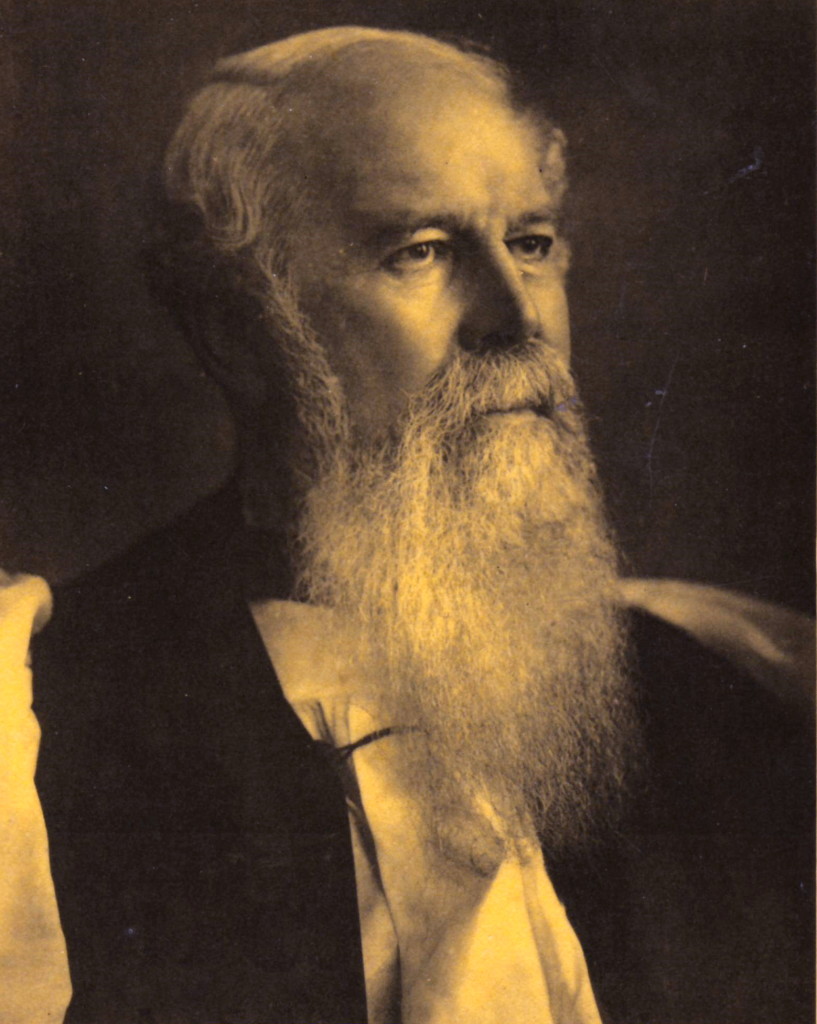
The main theological topic addressed in J.C. Ryle's exposition of Mark 15:16-32 is the atoning work of Christ and His profound love for sinners. Ryle emphasizes the voluntary nature of Christ's suffering as a means of salvation, highlighting how each part of the narrative reflects deeper spiritual truths regarding the significance of Christ’s sacrifice. Key scripture references include Ephesians 3:19, Romans 5:8, and 1 Peter 3:18, which underline the magnitude of God’s love and the purpose of Christ's suffering to bring redemption to humanity. The practical significance of Ryle's exposition lies in the encouragement for believers to recognize their immense debt to Christ, which should inspire a life dedicated to service and devotion to Him, encapsulating central Reformed teachings on grace, substitutionary atonement, and the believer’s response to divine love.
Key Quotes
“The love of Christ passes knowledge. God commends His love toward us in that while we were yet sinners Christ died for us.”
“It was that we who have no righteousness of our own might be clothed in the perfect righteousness that Christ has wrought out for us.”
“Let us leave the passage with a deep sense of the enormous debt which all believers owe to Christ.”
“Surely the thought of this love should constrain us daily to live not unto ourselves but unto Christ.”
What does the Bible say about the love of Christ?
The Bible reveals that Christ's love is infinite and demonstrated by His voluntary sufferings for sinners, as seen in Romans 5:8.
Romans 5:8, Ephesians 3:19
Why is the suffering of Christ important for Christians?
Christ's suffering is essential as it provides believers with justification and brings peace through His atoning sacrifice.
1 Peter 3:18
How do we know Christ's sacrifice is sufficient for our sins?
The sufficiency of Christ's sacrifice is shown in His righteousness being imputed to believers, as explained in 2 Corinthians 5:21.
2 Corinthians 5:21
The passage we have now read, is one of those which show us the infinite love of Christ toward sinners. The sufferings described in it would fill our minds with mingled horror and compassion, if they had been inflicted on one who was only a man like ourselves. But when we reflect that the sufferer was the eternal Son of God, we are lost in wonder and amazement. And when we reflect further that these sufferings were voluntarily endured to deliver sinful men and women like ourselves from hell, we may see something of Paul's meaning when he says, "The love of Christ passes knowledge." "God commends His love toward us in that while we were yet sinners, Christ died for us." (Ephes. 3:19; Rom. 5:8.)
We shall find it useful to examine separately the several parts of our Lord's passion. Let us follow Him step by step from the moment of His condemnation by Pilate to His last hour upon the cross. There is a deep meaning in every jot and tittle of His sorrows. All were striking emblems of spiritual truths. And let us not forget as we dwell on the wondrous story, that we and our sins were the cause of all these sufferings. "Christ suffered for sins, the just for the unjust, that He might bring us to God." (1 Peter 3:18.) It is the death of our own Surety and Substitute that we are reading.
First of all we see Jesus delivered into the hands of the Roman soldiers, as a criminal condemned to death. He before whom the whole world will one day stand and be judged, allowed Himself to be sentenced unjustly, and given over into the hands of wicked men.
And why was this? It was that we, the poor sinful children of men, believing on Him, might be delivered from the pit of destruction, and the torment of the prison of hell. It was that we might be set free from every charge in the day of judgment, and be presented faultless before God the Father with exceeding joy.
Secondly, we see Jesus insulted and made a laughing-stock by the Roman soldiers. They "clothed Him with purple" in derision, and put "a crown of thorns" on His head, in mockery of his kingdom. "They smote Him on the head with a reed, and spit upon Him," as one utterly contemptible, and no better than "the filth of the world." (1 Cor. 4:13.)
And why was this? It was that we, vile as we are, might have glory, honor, and eternal life through faith in Christ's atonement. It was done that we might be received into God's kingdom with triumph at the last day, and receive the crown of glory that fades not away.
Thirdly, we see Jesus stripped of His garments and crucified naked before His enemies. The soldiers who led Him away "parted His garments, casting lots upon them."
And why was this? It was that we, who have no righteousness of our own, might be clothed in the perfect righteousness that Christ has wrought out for us, and not stand naked before God at the last day. It was done, that we, who are all defiled with sin, might have a wedding-garment, wherein we may sit down by the side of angels, and not be ashamed.
Fourthly, we see Jesus suffering the most ignominious and humiliating of all deaths, even the death of the cross. It was the punishment reserved for the worst of malefactors. The man on whom it was inflicted was counted accursed. It is written, "Cursed is everyone that hangs on a tree." (Gal. 3:13.)
And why was this? It was that we, who are born in sin and children of wrath, might be counted blessed for Christ's sake. It was done to remove the curse which we all deserve because of sin, by laying it on Christ. "Christ has redeemed us from the curse of the law, being made a curse for us." (Gal. 3:13.)
Fifthly, we see Jesus reckoned a transgressor and a sinner. "With him they crucify two thieves." He who had done no sin, and in whom there was no deceit, "was numbered with the transgressors."
And why was this? It was that we, who are miserable transgressors, both by nature and practice, may be reckoned innocent for Christ's sake. It was done that we, who are worthy of nothing but condemnation, may be counted worthy to escape God's judgment, and be pronounced not guilty before the assembled world.
Lastly, we see Jesus mocked when dying, as one who was an impostor, and unable to save Himself.
And why was this? It was that we, in our last hours, through faith in Christ may have strong consolation. It all came to pass that we may enjoy a strong assurance—may know whom we have believed, and may go down the valley of the shadow of death fearing no evil.
Let us leave the passage with a deep sense of the enormous debt which all believers owe to Christ. All that they have, and are, and hope for, may be traced up to the doing and dying of the Son of God. Through His condemnation, they have acquittal—through His sufferings, peace—through His shame, glory—through His death, life. Their sins were imputed to Him. His righteousness is imputed to them. No wonder that Paul says, "Thanks be unto God for His unspeakable gift." (2 Cor. 9:15.)
Finally, let us leave the passage with the deepest sense of Christ's unutterable love to our souls. Let us remember what we are, corrupt, evil, and miserable sinners. Let us remember who the Lord Jesus is, the eternal Son of God, the maker of all things. And then let us remember that for our sakes Jesus voluntarily endured the most painful, horrible, and disgraceful death. Surely the thought of this love should constrain us daily to live not unto ourselves, but unto Christ. It should make us ready and willing to present our bodies a living sacrifice to Him who lived and died for us. (2 Cor. 5:4. Rom 12:1.) Let the cross of Christ be often before our minds. Rightly understood, no object in all Christianity is so likely to have a sanctifying as well as a comforting effect on our souls.

Comments
Your comment has been submitted and is awaiting moderation. Once approved, it will appear on this page.
Be the first to comment!