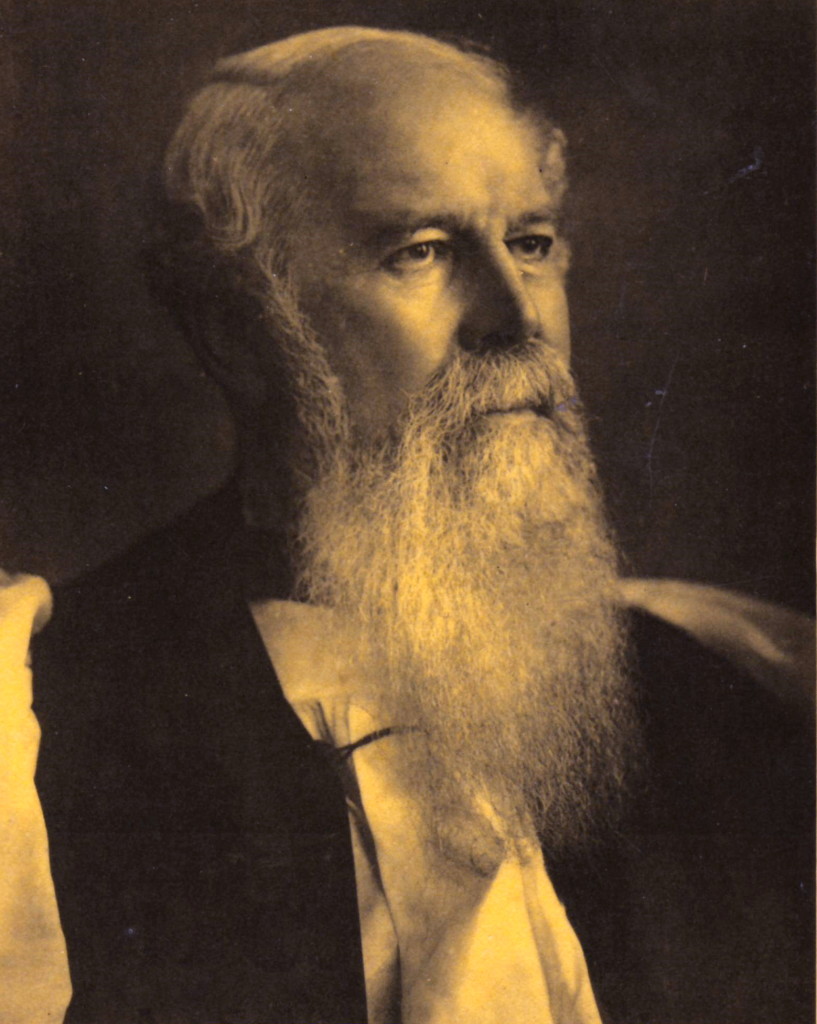
In J.C. Ryle's exposition on Luke 23:13-25, the main theological focus is the innocence of Jesus Christ as affirmed by both Pilate and Herod, serving to highlight His role as the perfect sacrifice for sin. Ryle argues that the public declarations of Christ's guiltlessness underscore the necessity of a blameless Savior, as referenced in 1 Peter 1:19, where He is compared to a lamb without blemish. Furthermore, the passage examines the Jews' responsibility in Christ's crucifixion, revealing a profound truth about humanity's rebellion against God, as emphasized in Acts 3:15. The doctrinal significance lies in the understanding of Christ as the perfect Surety whose righteousness is imputed to believers, granting them innocence before God, as elaborated in Romans 10:4. This teaches that, despite humanity's inherent sinfulness, redemption through Christ's sacrifice remains available, encapsulating the Reformed themes of justification and substitutionary atonement.
Key Quotes
“It was fit and right that the Lamb of God should be found by those who slew Him a Lamb without blemish and without spot.”
“What child of man can count the number of his sins... But this must be our comfort that Christ the Righteous has undertaken to stand in our place.”
“The fearful responsibility which the Jews took on themselves... is a standing warning to the world that it is a fearful thing to reject the Lord Christ.”
“The whole transaction is a lively emblem of that wondrous exchange that takes place between Christ and the sinner when a sinner is justified in the sight of God.”
What does the Bible say about Christ's innocence?
The Bible affirms Christ's perfect innocence, particularly noted in His trial where both Pilate and Herod found no fault in Him.
Luke 23:13-25, 1 Peter 1:19
How do we know Christ's sacrifice is sufficient for our sins?
Christ's perfect fulfillment of the law demonstrates that His sacrifice is sufficient for our sins, according to Scripture.
Romans 10:4, 2 Corinthians 5:21
Why is the concept of substitutionary atonement important for Christians?
Substitutionary atonement is crucial as it signifies Christ taking our place, bearing our sins and punishment.
2 Corinthians 5:21
We should observe, for one thing, in this passage, what striking testimony was borne to our Lord Jesus Christ's perfect innocence by His judges.
We are told that Pilate said to the Jews, "You have brought this man unto me as one that subverts the people—and behold I, having examined him before you, have found no fault in this man concerning those things whereof you accuse him—no, nor yet Herod." The Roman and the Galilean governors were both of one mind. Both agreed in pronouncing our Lord not guilty of the things laid to His charge.
There was a peculiar fitness in this public declaration of Christ's innocence. Our Lord, we must remember, was about to be offered up as a sacrifice for our sins. It was fit and right that those who examined Him should formally pronounce Him a guiltless and blameless person. It was fit and right that the Lamb of God should be found by those who slew Him "a Lamb without blemish and without spot." (1 Pet. 1:19.) The over-ruling hand of God so ordered the events of His trial, that even when His enemies were judges, they could find no fault and prove nothing against Him.
The circumstance before us may seem of trifling moment to a careless Bible reader. It ought however to commend itself to the heart of every well- instructed Christian. We ought to be daily thankful that our great Substitute was in all respects perfect, and that our Surety was a complete and faultless Surety. What child of man can count the number of his sins? We leave undone things we should do; and do things we ought not to do, every day we live. But this must be our comfort, that Christ the Righteous has undertaken to stand in our place, to pay the debt we all owe, and to fulfill the law we have all broken. He did fulfill that law completely. He satisfied all its demands. He accomplished all its requirements. He was the second Adam, who had "clean hands and a pure heart," and could therefore enter with boldness into God's holy hill. (Psalm 24:4.) He is the righteousness of all sinners who believe in Him. (Rom. 10:4.) In Him all believers are counted perfect fulfillers of the law. The eyes of a holy God behold them in Christ, clothed with Christ's perfect righteousness. For Christ's sake God can now say of the believer, "I find in him no fault at all."
Let us learn for another thing, in this passage, how thoroughly the Jews took on themselves the whole responsibility of our Lord Jesus Christ's death. We are told that when Pilate was "willing to release Jesus," the Jews "cried, saying, crucify him, crucify him!" Again, we are told that "with loud shouts they insistently demanded that he be crucified, and their shouts prevailed." This fact in the history of our Lord's passion deserves particular notice. It shows the strict accuracy of the words of the apostles in after times, when speaking of Christ's death. They speak of it as the act of the Jewish nation, and not of the Romans. "You killed the Prince of life," says Peter to the Jews at Jerusalem. "You slew and hanged him on a tree." (Acts 3:15; 5:30.) "The Jews have both killed the Lord Jesus and their own prophets," says Paul to the Thessalonians. (1 Thess. 2:15.) So long as the world stands the fact before us is a memorial of man's natural hatred against God. When the Son of God came down to earth and dwelt among His own chosen people, they despised Him, rejected Him, and slew Him.
The fearful responsibility which the Jews took on themselves in the matter of our Lord's death was not forgotten by God. The righteous blood which they shed has been crying against them as a people for eighteen hundred years.
Scattered all over the earth, wanderers among the nations, without a land, without a government, without a home, the Jews show to this day that their own words have been terribly fulfilled. The blood of their slain Messiah "is upon them and upon their children." They are a standing warning to the world that it is a fearful thing to reject the Lord Christ, and that the nation which speaks stoutly against God, must not be surprised if God deals with it according to its words. Marvelous indeed is the thought that there is mercy in store for Israel, notwithstanding all its sins and unbelief! The nation which pierced and slew Him, shall yet look to Him by faith and be restored to favor. (Zech. 12:10.)
We should observe, lastly, in this passage, the remarkable circumstances connected with the release of Barabbas. We are told that Pilate "released Barabbas, the man in prison for insurrection and murder. But he delivered Jesus over to them to do as they wished." Two people were before him, and he must needs release one of the two. The one was a sinner against God and man, a malefactor stained with many crimes. The other was the holy, harmless, and undefiled Son of God, in whom there was no fault at all. And yet Pilate condemns the innocent prisoner and acquits the guilty! He orders Barabbas to be set free, and delivers Jesus to be crucified.
The circumstance before us is very instructive. It shows the bitter malice of the Jews against our Lord. To use the words of Peter, "They denied the holy one and the just, and desired a murderer to be granted to them." (Acts 3:14.) It shows the deep humiliation to which our Lord submitted, in order to procure our redemption. He allowed Himself to be reckoned lighter in the balance than a murderer, and to be counted more guilty than the chief of sinners!
But there is a deeper meaning yet beneath the circumstance before us, which we must not fail to observe. The whole transaction is a lively emblem of that wondrous exchange that takes place between Christ and the sinner, when a sinner is justified in the sight of God. Christ has been made "sin for us who knew no sin, that we might be made the righteousness of God in Him." (2 Cor. 5:21.) Christ the innocent has been reckoned guilty before God, that we the guilty might be reckoned innocent, and be set free from condemnation.
If we are true Christians, let us daily lean our souls on the comfortable thought that Christ has really been our Substitute, and has been punished in our stead. Let us freely confess that, like Barabbas, we deserve death, judgment, and hell. But let us cling firmly to the glorious truth that a sinless Savior has suffered in our stead, and that believing in Him the guilty may go free.

Comments
Your comment has been submitted and is awaiting moderation. Once approved, it will appear on this page.
Be the first to comment!