What does the Bible say about believing prayer?
The Bible teaches that believing prayer is effective, as it comes from a sincere heart that recognizes its need for God's mercy.
Moreover, believing prayer must be persevering and importunate; it does not easily accept denial but continues to seek, trusting in God's goodness and timing. Biblical examples, such as Jacob wrestling with the angel and the persistent widow, illustrate that effective prayer often involves a struggle and steadfastness in seeking God’s favor. However, while it is bold in its requests, true prayer is always marked by humility and submission to God's will, recognizing that God's plans may be different from our requests, and accepting that love is found in both His granting and withholding.
Lastly, believing prayer is offered in the name of Jesus, who is the mediator between God and man. This connection to Christ is what gives the prayer its power and efficacy, as noted in John 14:13, where Jesus emphasizes that whatever we ask in His name, He will do so that the Father may be glorified. Thus, believing prayer is deeply rooted in the recognition of our dependence on Christ's atoning work, guiding our requests with faith and reverence toward God’s sovereign plan.
1 John 5:15, Hebrews 10:19, John 14:13
How do we know that God's promises in prayer are true?
We know God's promises in prayer are true because they are backed by His character and faithfulness.
Furthermore, the effectiveness of prayer is tied to the work of Christ. While we may approach God with requests and petitions, it is only through the atoning sacrifice of Jesus that we can expect our prayers to be heard. This is why invoking His name in our prayers is essential; it provides the basis for our confidence that God will respond. Our prayers signify a reliance not solely on our eloquence or emotion but rather on His promise that through faith in Christ, we have assurance of access to the Father.
The collective narratives of faith throughout the Bible demonstrate individuals who received answers to their fervent prayers, granting us hope that God will respond to the prayers of His people in due time. This assurance encourages perseverance, knowing that God’s timing and methods may differ from our expectations, yet He remains faithful to His promises.
1 John 5:15, Hebrews 10:23, John 16:23-24
Why is humility important in prayer?
Humility in prayer is crucial because it acknowledges our dependence on God and His sovereignty over our lives.
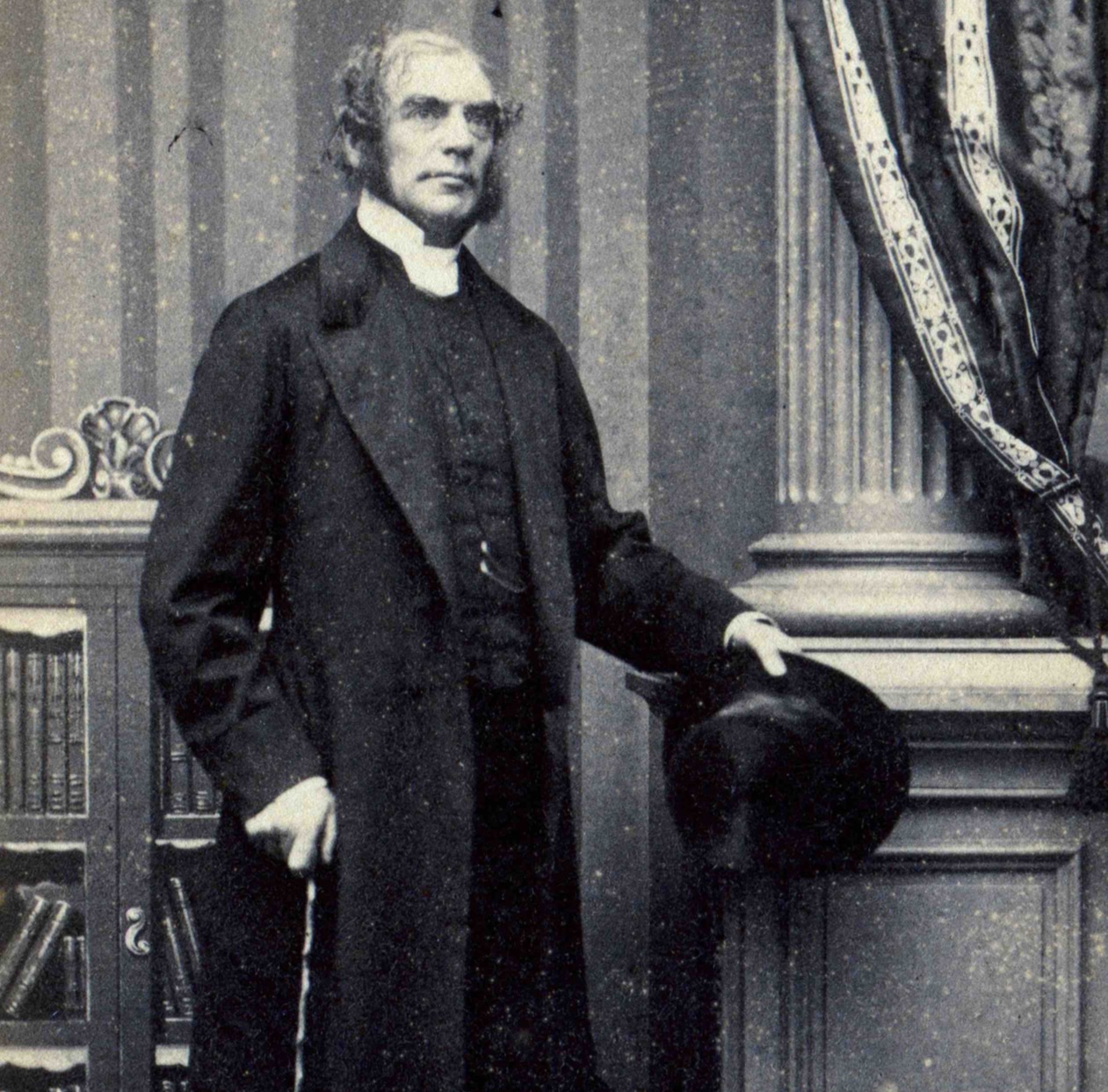
Believing prayer, as described in Octavius Winslow's reflections on 1 John 5:15, emerges from a genuinely humble heart that is aware of its need for mercy. This humility leads to a spirit of submission, openly accepting God's plans for us, whether that means a delay in response or an entirely different answer to our prayers. Recognizing our unworthiness not only cultivates gratitude toward God's merciful actions but also protects us from treating prayer as a mere transactional interaction.
Furthermore, it is through humility that we learn to listen and discern God's voice in our lives, fostering a deeper relationship with Him. A humble heart is attentive to His leading, paving the way for prayers that align with His divine purpose. In essence, humility is critical in prayer as it opens the channel for authentic communication with God and enriches our spiritual walk.
James 4:6, 1 Peter 5:6, Isaiah 66:2
“And if we know that he hears us in whatever we ask, we know that we have the petitions that we desired of him.”
— 1 John 5:15
Believing prayer is prevailing, successful prayer. It assails the kingdom of heaven with holy violence, and carries it as by storm. It believes that God has both the heart and the arm; both the love that moves Him, and the power that enables Him; to do all and to grant all that His pleading child requests of Him. We may mention a few of the attributes of believing prayer.
It is real prayer, because it is the expression of need. It springs from a felt necessity of the mercy which it craves. It is sincere prayer, welling up from a soul schooled in the knowledge of its deep poverty and need. Oh, how much passes for real prayer which is not prayer; which is not the breathing of the soul, nor the language of the heart, nor the expression of need. There is in it no true approach to God, no thirsting for Christ, no desire for holiness. Were God to bestow the things which had been so thoughtlessly and heartlessly asked, the individual would be taken by surprise.
The prayer of faith is importunate and persevering. It will not take a refusal. It will not be put off with a denial. Thus Jacob wrestled with the Angel of the covenant until he prevailed; "I will not let you go until you bless me." Thus the woman of Canaan would not release the Savior from her hold until He had granted her suit; "If I am a dog, satisfy me with the crumbs." And thus, too, the man who besieged the house of his friend at midnight for bread, and did not go away until he obtained it; and the oppressed widow, who sought justice at the hands of the unrighteous and reluctant judge until he righted her; illustrate the nature of that prayer; even earnest, persevering prayer, which prevails with God, and obtains the blessing.
Believing prayer is humble. How low in the dust the truly importunate suppliant lies before God! There is nothing of bold ruffianism, of unholy freedom, in the cases of earnest prayer which we have cited. There is no irreverence of manner, nor brashness of speech, nor rushing into God's holy presence as if He were an equal. But rather that awful consciousness of the Divine presence, that profound spirit of self-abasement which seems to say, "How dreadful is this place!" "Behold, I am vile; what shall I answer you? I will lay my hand upon my mouth." Oh, how lowly is the heart from where arises the incense of believing prayer! How utterly unworthy it feels of the least of all the Lord's mercies; how unfit to be a channel of grace to others; and with what trembling it lies prostrate upon the spot where God, the Triune God, is passing by! "Do not be rash with your mouth, and let not your heart be hasty to utter anything before God; for God is in heaven, and you upon earth; therefore let your words be few."
Submission is another attribute of the prayer of faith. Its utmost range of request is bounded, and its deepest fervor of spirit is chastened, by submission to the Divine will. It presumes neither to dictate to God, nor to counsel Him. It leaves the mode of answering its petitions; the time, the place, the way; with God. Trained, perhaps, in the school of bitter disappointment, it has learned to see as much love in God's heart in withholding as in granting its requests; as much wisdom in delaying as in promptly bestowing the blessing. And, seeing that delays in prayer are not denials of prayer, he who believes will not make haste to anticipate the Divine mind, or to antedate the Divine blessing. "Your will, not mine, be done," ever breathes from the praying lip of faith.
Yet another and the crowning attribute of believing prayer is; that it is presented in the name of Jesus. As it is life from God through Christ, so through Christ it is life breathed back again to God. It approaches the Divine Majesty by the "new and living way"; its mighty argument, and its one prevailing plea, is the atoning blood of Jesus. This is the ground of its boldness, this the reason of its nearness, and this the secret of its power and success. "Whatever you shall ask in my name," observes Christ, "that will I do, that the Father may be glorified in the Son."

Comments
Your comment has been submitted and is awaiting moderation. Once approved, it will appear on this page.
Be the first to comment!