What does the Bible say about Jesus being tempted?
Matthew 4:1 describes Jesus being led by the Spirit into the wilderness to be tempted by the devil.
Matthew 4:1
How do we know that God cannot be tempted?
God, being inherently holy and perfect, cannot be tempted by evil, as outlined in James 1:13.
James 1:13
Why is the temptation of Jesus important for Christians?
The temptation of Jesus is essential because it displays His victory over sin and His ability to empathize with human struggles.
Hebrews 4:15
“Then was Jesus led up of the Spirit into the wilderness to be tempted of the devil.”
— Matthew 4:1
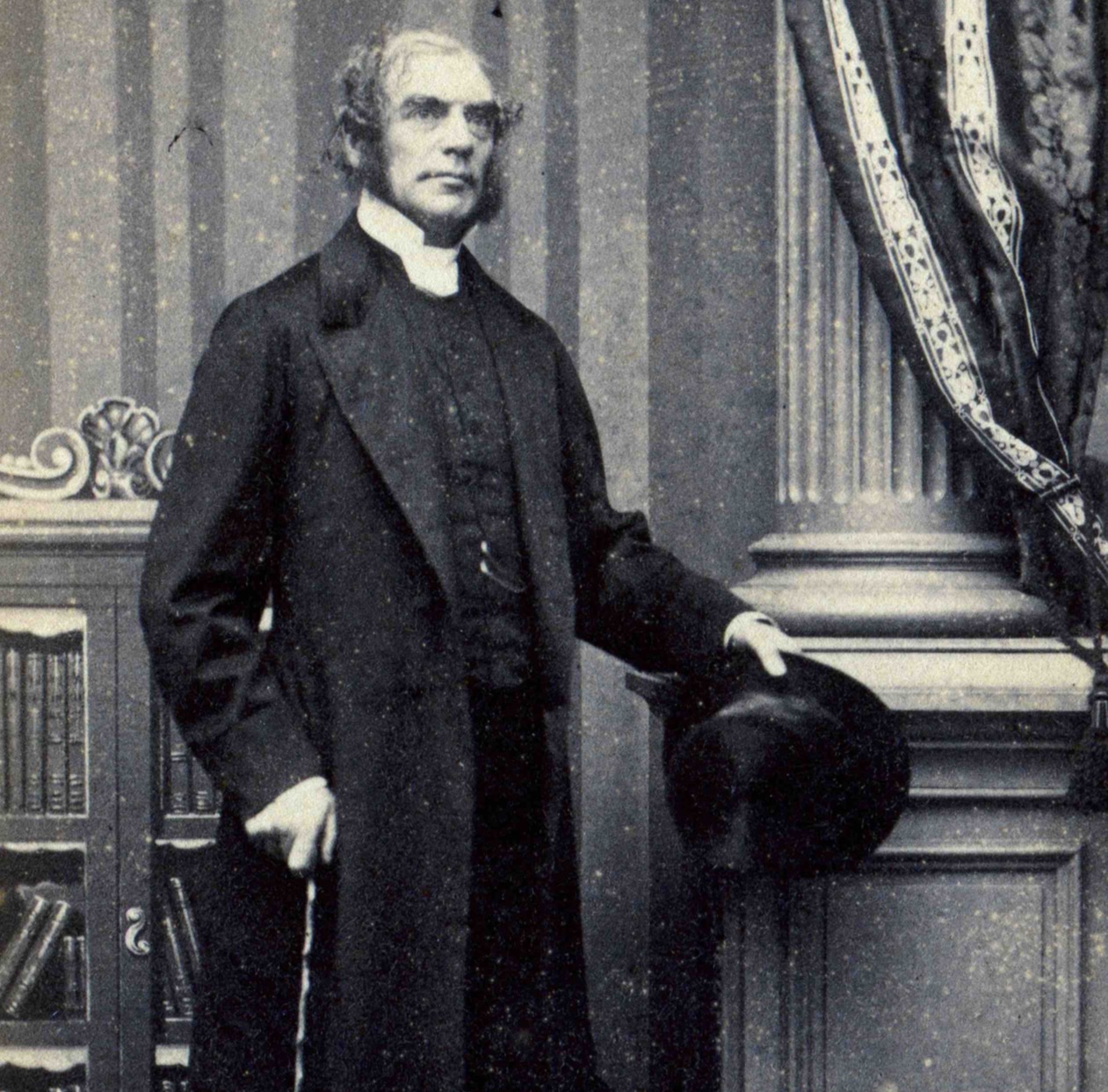
IMAGINE yourself, my Christian reader, shut in for a single day with one of the vilest and most degraded of our species. During that period, his whole conversation shall be an attempt to tamper with your allegiance to Christ, to undermine your principles, to pollute your mind, to infuse blasphemous thoughts, to wound your conscience, and destroy your peace. What mental suffering, what grief, what torture would your soul endure in the period of time! Yet all this, and infinitely more, did Jesus pass through. For forty days and nights was He enclosed in the wilderness with Satan. Never were the assaults of the prince of darkness more fearful, never were his fiery darts more surely aimed and powerfully winged, and never had so shining a mark presented itself as the object of his attack as now.
Our Lord's exposure to temptation, and His consequent capability of yielding to its solicitations, has its foundation in His perfect humanity. It surely requires not an argument to show that, as God, He could not be tempted, but that, as man, He could. His inferior nature was finite and created; it was not angelic, it was human. It was perfectly identical with our own, its entire exemption from all taint of sin only excepted. A human body and a human mind were His, with all their essential and peculiar properties. He was "bone of our bone, and flesh and our flesh;" He traveled up through the stages of infancy, boyhood, and manhood; He was encompassed with all the weaknesses, surrounded by all the circumstances, exposed to all the inconveniences, that belong to our nature. He breathed our air, trod our earth, ate our food. The higher attributes of our being were His also. Reason, conscience, memory, will, affections, were essential appendages of that human soul which the Son of God took into union with His Divinity. As such, then, our Lord was tempted. As such, too, He was capable of yielding. His finite nature, though pure and sinless, was yet necessarily limited in its resources, and weak in its own powers. Touching His inferior nature, He was but man. The Godhead was not humanized, nor was the humanity deified, by the blending together of the two natures. Each retained its essential characters, properties, and attributes, distinct, unchanged, and unchangeable.
But let no one suppose that a liability in Jesus to yield to Satan's temptation necessarily implies the existence of the same sinful and corrupt nature which we possess. Far from it. To deny His capability of succumbing to temptation were to neutralize the force, beauty, and instruction of the eventful part of His history altogether. It were to reduce a splendid fact to an empty fable, a blessed reality to a vague supposition; it were to rob Jesus of the great glory which covered Him when left alone, the victor on this battlefield. And yet that He must necessarily be sinful, in order to be thus capable of yielding, does not follow; it is an error of judgment to suppose that the force of a temptation always depends upon the inherent sinfulness of the person who is tempted. The case of the first Adam disproves this supposition, and in some of its essential features strikingly illustrates the case of the second Adam. In what consisted the strength of the assault before whose fearful onset Adam yielded? Surely not in any indwelling sin, for he was pure and upright. There was no appeal to the existence of an corrupt principles or propensities; no working upon any fallen desires and tendencies in his nature; for, until the moment that the blast swept him to the earth, no angel in heaven stood before the throne purer or more faultless than he. But God left him to the necessary weakness and poverty of his own nature, and thus withdrawing His Divine support and restraint, that instant he fell! That our adorable Lord did not fall, and was not overcome in His fearful conflict with the same foe, was owing solely to the upholding of the Deity, and the indwelling and restraining power of the Holy Spirit, which He possessed without measure.

Comments
Your comment has been submitted and is awaiting moderation. Once approved, it will appear on this page.
Be the first to comment!