What does the Bible say about the resurrection of Christ?
The Bible affirms that the resurrection of Christ is essential to the Christian faith, validating His work and ensuring our salvation.
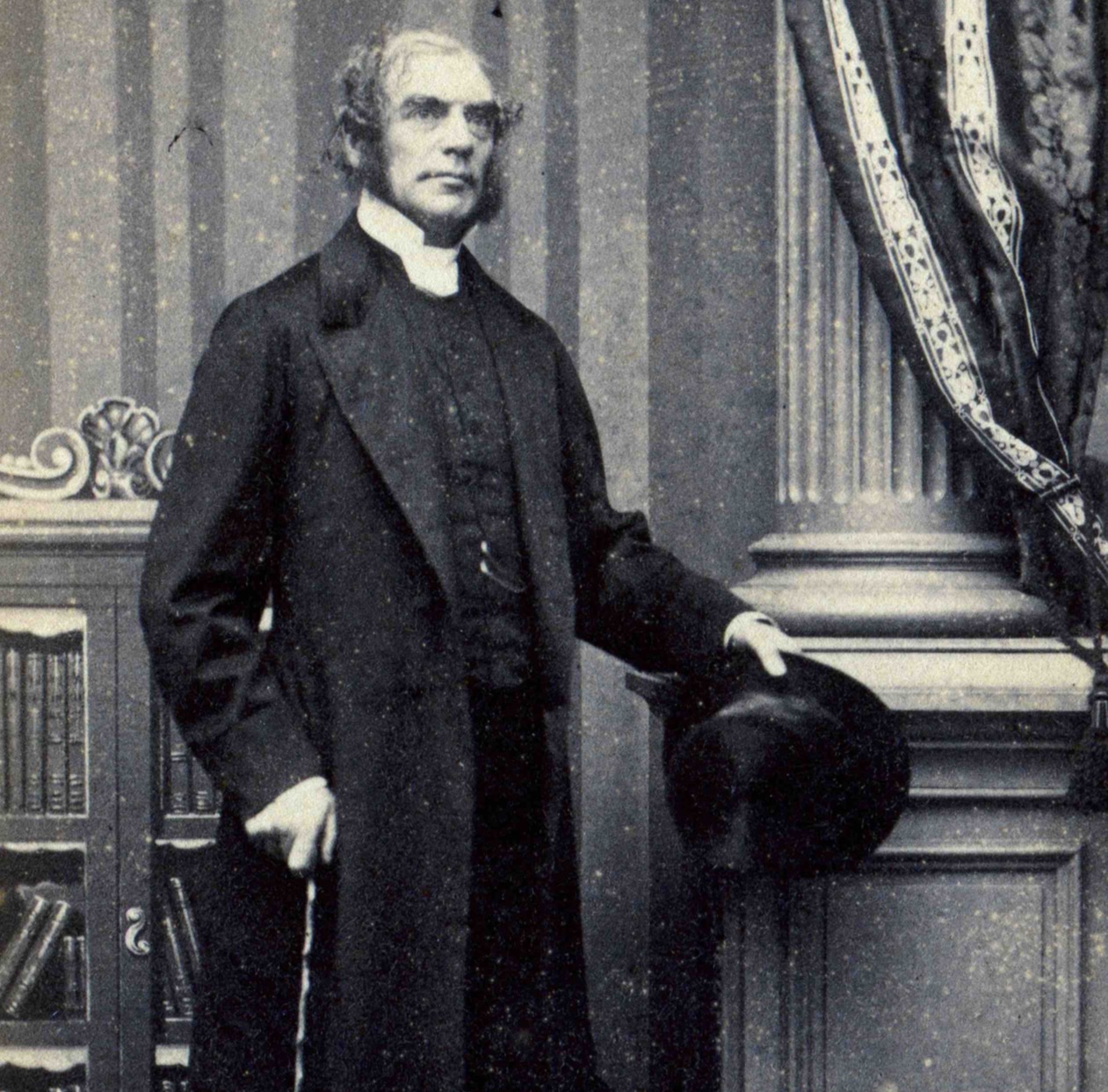
In declaring the resurrection, we recognize that Christ's death on the cross, while necessary, could not stand alone as the complete act of redemption. Jesus bore the curse of the law and endured death, but His resurrection ensured that death had no dominion over Him, liberating those who were bound by it. As Winslow elaborates, this event marks the moment where the 'sting' of death was conquered, the curse was rolled away, and our justification was secured.
Ultimately, the resurrection provides the foundation upon which believers are built as a spiritual house, enabling God to dwell among His people, showcasing His grace in its fullness. This truth encourages believers to find their hope and identity in Christ, who was raised for our justification, affirming that His work on our behalf has been accepted by the Father.
Acts 13:32-33, 1 Corinthians 15:14-17, Romans 4:25
Why is the resurrection of Jesus important for Christians?
The resurrection is crucial as it assures believers of their justification and the defeat of death.
Moreover, the resurrection signifies the defeat of death. Christ's triumph over the grave ensures that He holds the keys of death and hell, allowing believers to have hope beyond this life. The Apostle Paul writes that Jesus was delivered for our offenses and raised again for our justification—indicating that His resurrection directly correlates with our acceptance before God. It is the cornerstone of our assurance that we are no longer enslaved by sin or death.
In broader theological terms, the resurrection is pivotal for understanding the fullness of salvation. It not only impacts the individual’s relationship with God but also fosters a community of believers who share in this hope. As such, the resurrection of Christ is not just a historical event but a transformative reality that empowers and sustains the Christian life, confirming that eternal life is offered through faith in Him.
Romans 4:25, 1 Corinthians 15:17, Revelation 1:18
How do we know the resurrection of Christ is true?
The resurrection is attested by Scripture and the transformative effects it has had on believers throughout history.
The apostolic witness in the New Testament emphasizes that without the resurrection, the validity of the Christian faith is inherently compromised. Paul argues this extensively in 1 Corinthians 15, where he states that the resurrection is the crux of the Gospel, upon which all Christian hope rests. The continuity of this belief through centuries, alongside the transformative experience of millions of believers, serves as further verification of its truth.
Furthermore, the resurrection's impact on the lives of believers is a testament to its reality. It instills hope, courage, and a sense of purpose that drives believers to live according to God’s will. The transformative nature of the resurrection power, as believers share their testimonies of faith and change, underlines its truth. These collectively affirm that the resurrection is not only a proclaimed fact but a dynamic reality that changes lives today, rooted in the immutable truth of God's Word.
1 Corinthians 15:14-17, Acts 1:3, Romans 8:11
“And we declare unto you glad tidings, how that the promise which was made unto the fathers, God has fulfilled the same unto us their children, in that he has raised up Jesus again.”
— Acts 13:32, 33
GREAT stress is laid upon the doctrine of the resurrection of Christ in the word. And the child of God may be but imperfectly aware, what an essential pillar it is to his hope, and how sanctifying and comforting the blessings are that spring from its full belief. The resurrection of Jesus is the great seal to the character and perfection of His work. Yes, His work, touching its saving effects, had been nothing apart from this Divine attestation. His perfect keeping of the law, and His suffering unto death, were but parts of the vast plan, and, taken separately and distinctly, were not capable of perfecting the salvation of the Church. The apostle so reasons. "If Christ do not be risen, then is our preaching vain, and your faith is also vain. Yes, and we are found false witnesses of God; because we have testified of God that He raised up Christ; whom He raised not up, if so be that the dead rise not. For if the dead rise not, then is not Christ raised: and if Christ do not be raised, your faith is vain; you are yet in your sins. Then they also which are fallen asleep in Christ are perished." A moment's reflection will justify the conclusions which the apostle deduces from the supposition that Christ had not risen.
Our dear Lord endured the "curse of the law;" a part of that curse was death—death legal, death temporal, death eternal. He was "made a curse or us," and died. So long as He remained imprisoned in the grave, "death had dominion over Him." It had been in vain that we had looked to His obedience and sufferings for the proof of the all-sufficiency and acceptableness of His satisfaction, so long as the iron scepter of the king of terrors held Him in subjection. Oh what a momentous period were the three days that intervened between the giving up of the spirit upon the cross, and the bursting of the tomb—the salvation of the whole Church hung upon it—all who had already "fallen asleep" in Him, and all whom it was the purpose of God yet to call, were deeply interested in this one fact. But, on the third day, the destroyed temple was raised again—death had no more dominion over Him—his sting was extracted, his scepter was broken, the curse was rolled away, and the redemption of the Church was complete. "He was delivered for our offences, and rose again for our justification."
Through the incarnation, obedience, death, and resurrection of Christ, a way was opened, by which God could again dwell with man—yes, resume His abode in the very temple that sin had destroyed, and show forth the riches and glory of His grace far more illustriously than when this temple stood in its original perfection and grandeur. Here was the foundation of every successive temple that grace was about to raise. "Other foundation can no man lay than that is laid, which is Jesus Christ." On the dignity of His person, His finished righteousness, His perfect atonement, His all-sufficient grace, and His inviolable faithfulness, believers, "as lively stones, are built up a spiritual house," for the everlasting indwelling of God the Holy Spirit.

Comments
Your comment has been submitted and is awaiting moderation. Once approved, it will appear on this page.
Be the first to comment!