Bootstrap
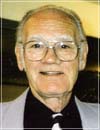
Scott Richardson

I Am The Son Of God

Matthew 27:38-43
Scott Richardson December, 15 1996 Audio
0 Comments

Sermon Transcript

Auto-generated transcript • May contain errors

100%
Let's look at the 27th chapter
of the book of Matthew. Matthew chapter 27. Verse 38, Then were there two thieves crucified
with him, one on the right hand, another on the left. And they
that passed by reviled him. They mocked him, wagging their
heads, I don't know exactly the significance of that. Shaking
their heads, wringing their necks, and saying, Thou that destroyest
the temple and buildest it in three days, save Thyself. They thought that when he was talking about destroying
him when he talked about that. They thought he was talking about
the temple made of stone and so forth. If thou be the Son
of God, come down from the cross. Likewise also the chief priest
mocking him with the scribes and elders said
he saved others, himself he cannot save. If he be the King of Israel,
let him now come down from the cross and we will believe Him. He trusted in God. He trusted in God. Let Him deliver
him now, if He will have him. For He said,
I am the Son of God. That is what I want to talk to
you about, that forty-third verse. This forty-third verse is the
fulfillment of the prophecy of Psalm 22, in verse 7, which I
just read to you. This verse of Scripture is the
fulfillment of that ancient prophecy that was prophesied by King David
in the twenty-second Psalm. The words of the fulfillment
of that prophecy. Now, to the very letter, our
Lord Jesus Christ answers that ancient prophecy. Here we see
the Lord Jesus. Here we see our Master and our
blessed Lamb of God. We see Him in His death agonies. He is dying. He's made a spectacle of men. And there's a crowd. He's surrounded by a crowd of
men and women, boys and girls, I suppose. And he's agonized. And this crowd's
mocking him, wagging their heads, making light of his prayers. Said he trusted in God, let him
deliver him now if he'll have him. For he said, I am the Son
of God. They made light of his prayers,
insulted his faith. For he said, I am the Son of
God. He said he trusted in God and
they made light of his faith and light of his prayers, insulted
it. Evidently nothing was sacred. to this crowd what an evil thing
sin is. This is the outcrop, the overflow
of what a man is. This is a picture of total depravity
in the clearest of pictures, that the Son of God hanging on
a tree, dying in anguish, suffering, a crowd of men and women and
boys and girls making sport, making light of the Son of God,
insulting His faith, making fun of His prayers, mocking Him. That's a clear picture of total
depravity. A lot of people say now, yes, I
believe in depravity, but I say, do you believe in total depravity?
No, they don't believe in total depravity, but I believe in total
depravity. I believe that every faculty
of man's being is touched by this evil thing called sin. And
this that we see is the evidence of this depravity. We see also
here the sin bearer. We see him suffering. so bitterly to make atonement
for it. Sin being an evil thing, yet
the evilness is personified when we see the sin-bearer suffering
to make atonement for sin. Sin must be atoned for. We must
have an atonement. We cannot approach God apart
from atonement. We can't atone for our sins ourselves
because we're sinners ourselves. There's nothing about us that's
of any value to God by way of atonement. Only the Son of God,
who was a stranger to sin, who knew no sin, only the Son of
God can make atonement as a man. suffers so terribly, so bitterly
to make atonement for sin. We also see the shame, the shame
of sin. Since even the Prince of Glory,
the Lord Jesus Christ, is bearing the result of it, bearing the
consequences of it, here is covered with contempt and ridicule. We could stop and say here, how
He loved us. I'm talking to those who trust in God. I've got nothing
to say to anybody else. Those that trust in God, I say
unto you, how He loved us, because it was for our sake He endured
the cross, despising the shame. It was for our sake. For our
sake He stood in our place, our stead, our room, suffered gladly,
willfully, cheerfully in our place, endured the cross and
all of its degradation and shame. How He loved us! How He loved
us! The treatment of our Lord here,
I've already said, By this crowd, by these men, women, boys and
girls, is the clearest proof of total depravity which can
possibly be required or discovered. That man would mock God to his
face. Must be stony, hard-hearted people
that can laugh in the face of a dying savior, wag their heads
laugh and jest and make light of and mock. They see the Lord
here in sorrow and His shame. We see Him here as our substitute,
our substitute. We see Him here as the Lamb of
God, sent by God to make atonement for our sins, must suffer. But don't forget, He's also here
as our representative. That means He's here as our pattern in the Psalms. The one that I
read to you in part of that Psalm I read to you, the first eight
verses, I think, Psalm 22. Many things in the Psalms that
relate to David, and the things that are related to David in
the Psalms relate to the Lord Jesus Christ in the New Testament. Many things turn out to be directly related,
meaning David. And other things that are said
are related to the Lord Jesus Christ. And it's difficult and
it's hard to weave this entanglement together to find out the whole
truth of it. In one place it says, of whom
does the prophet speak of? Does he speak of David or does
he speak of himself? Many times it applies to both. In many cases it applies to the
Lord Jesus Christ. And so here, here, He not only is our suffering
substitute, but He's our pattern. He's our pattern. The Bible says,
As he is, so are we in this world. As he is, as he suffers, we'll
suffer. You'll suffer in this world.
He suffered. He suffered from the start to
the finish. When he came into this world, there was no room for him at the end. It
wouldn't even give him a place to be born, a place out of the
wind. covert to the storm and so forth,
put him in a stable, lived all his life like that,
despised and rejected from start to finish. As he is, so are we
in this world. The Bible speaks of us being
crucified to this world. He was crucified. The Bible says,
Marvel not if the world hates you. It hated me before it hated
you. We must suffer without the camp,
without the gate, as He suffered without the gate. He's our representative. He's our pattern, Bob. We must be made to know the cross
and the shame of the cross. To know it, identify with it. We must suffer at the hands of
men, like He suffered at the hands of men. But this is the
thing here that I think is Very important in this verse of Scripture
here. I told you about who it is here. That's the Son of God,
our substitute, suffering in our place and our stead and our
room, bearing our shame, bearing our guilt, bearing the penalty
due to us as a man and also as our representative, as a pattern
for us that we too will suffer in this world at the hands of men. and at the
hands of friends will suffer. But the main thrust here is this. This is what they said about
him. They said he trusted in God. He trusted in God. That was their testimony, this
crowd. There he hangs. Two thieves,
one on this side and one on the other side. And they joined in
with the crowd, laughing, mocking along with the crowd. The thieves
also, which were crucified with him, cast the same in his teeth.
They said the same thing. But yet the whole crowd come
to this conclusion that he trusted in God. The man hanging there
between two thieves, they come to this conclusion that he trusted
in God. That's saying something, isn't
it? He trusted in God. Oh, listen to this. His enemies, and these were his
enemies, they laughed at him, mocked him. His enemies admitted
his faith in God. Now, here's the question. How
did they know that he had faith in God? How did they know he had faith
in God? They said he trusted in God. How did they know it? Well, he did not wear any particular
or peculiar garb or garment or mold of dress that by which he
let men know He trusted in God. They did not know he trusted
in God by his visible appearance, by what he wore. He didn't have
a... You know, nowadays we see the
Methodists and the Presbyterians and the Lutherans and the Roman
Catholics. They wear this garment without a collar. They have no collar on their
shirt. They don't have a collar on their
shirt like I do. They have a different garb, a
different ensemble, thereby letting people know something
about They either say, well, he's a
holy man or he's the biggest scandal that lives in this town.
Well, they say because of his garments, mostly. Well, how was it that men knew
he trusted in God if it was not something which he wore which
enabled them to arrive at that conclusion? No, he was as and
so perfectly a man, God and as much God as if he was never man,
and distinct, distinctly, perfectly a man and all God in one person. Although he was certainly a Jew,
there is no doubt. As to the ancestry of our Lord
Jesus Christ, he was a Jew from start to finish. But there was
no Jewish peculiarities about him. He was an ordinary man,
no Jewish peculiarities. They didn't say about him, He
has this on his garments. He prays three times every day.
He's out in the middle of the street saying this and saying
that. He had none of the peculiarities of the Jews or the Pharisees
or the scribes. How did they know? They couldn't
help knowing because he made much of God. He made much of
God in his preaching, in his teaching. Why, there in the book of Matthew,
when it talks about the Beatitudes, blessed are they which mourn. They shall see God. Blessed are
they. He talked about God. All of his
teaching and his preaching was about God. Never related to himself. What he said, he said, he got
it from God. I speak the words of God. He
made much of God. He said that he came from God,
and the God that he came from led him, and in his leadership
he glorified God, made much of God. You could say of the Lord
Jesus Christ, he was a man that made much of God, talked about
God, true faith. And he had true faith, he trusted
in God. And true faith is like a rudder
that guides a ship. Men who know God, their speech
is flavored with God, their thoughts are full of God. He made much of God. That's how
they knew that he trusted in God. Some, as I told you this
morning, they believe in a powerful force
outside in this universe, somewhere that rules and reigns and is
controlling things, a powerful, powerful impersonal force. Not a personal force, not a personal
God, but an impersonal God. But to our Lord Jesus Christ,
it wasn't an impersonal force that He paid allegiance to. He
talked about a personal God who was His Father, who sent Him
to do a specific work. And he talked about that from
start to finish. He talked about God. That's how they knew that he
trusted in God, because he made much of God. To our Lord Jesus Christ, God
was all in all. Now, it's a trite statement with
us, and we say it many times, we hear it said many times, We,
Paul, parrot that. We say, well, God's my all in
all. Is He? He may be your all in all, but
He's not your all in all like He was to the Lord Jesus Christ. Every thought, every breath related
to God in the Lord Jesus Christ. No, He trusted in God. To our Lord Jesus Christ, God
was all in all, and when we come to estimate, and think of God
and speak of God and act like the Lord Jesus Christ did, maybe
then people will say about us, I believe he's trusting in God.
God was his all in all. That's all he wanted. That's
all he talked about. He never took time out. He never
took no vacations. Get away from it all. What do
you mean, get away from it all? Oh, get away from the family,
get away from the work, get away from the job, get away from the...
He never did that. Now Johnny owned the spot all
the time, thinking about God, talking about God, teaching about
God. God was his all and his all. He was a trusting man and not
self-confident. Now, some are very proud because
they're self-made men. Did you ever hear a tale of a
self-made man? He'll generally start out by
telling you how hard he had it when he was a child, and how
he overcome all the obstacles and opposition that was against
him, and become what he is today because of his Self-made confidence. Confidence in yourself. They
say that's what you need in this life. Confidence, confidence,
confidence. Well, some are very proud because
they're self-made men. Well, I will do them the credit
to admit that they worship their Maker. Self-made men. always worship themselves. Our Lord Jesus Christ was not
self-confident. He didn't boast of his accomplishments. He never boasted about his miracles.
As a matter of fact, he told some of them, he said, don't
say a word about this. Go on your way, but don't mention
what you've seen here. Oh, no. They said nothing. This crowd here said nothing
of his self-confidence. They didn't say, well, this man
is a self-made man. This man has achieved this and
achieved that. He's a great man. This is what
they said about him. They said he trusted in God. Boy, that's something, isn't
it? Wouldn't that be something if someone said that about us? Huh? Well, I know there's a lot
of hypocrites in this world, but I know this, this man trusted
in God. He's not self-confident. He's
not boasting and bragging, talking about what he's done. Oh, no. They said nothing of his self-confidence
or his self-reliance. They didn't say he's got a noble
spirit of self-confidence. They didn't say that. Oh, no. They said he trusted God. And
the words that he spoke, he said, they're not mine, they're his.
I don't speak of myself, I speak of the world. I speak the words
that my father spoke. I'll tell you what he said. No
self-confidence in himself. Never boasted of great deeds. Never questioned his commission
to come and to suffer and to die. Even after he was betrayed
by Judas Iscariot, he returned. He returned to his work, not
complaining, not complaining, not saying, well, am I real sure that God sent
me to do what I'm doing? I've got twelve disciples and
one of them betrayed me. No, sir, he returned right to
his work, never missed a hitch. Oh, listen, not only did he trust
in God, and they said he trusted in God, they didn't speak of
his self-confidence, they said he trusted in God, and let me
tell you this now, he did it openly. He trusted in God openly. A lot of people, their religion,
they trust God in a dark room. They trust God when nobody's
around. They won't do it openly. They won't stand up and be identified.
He did it openly in front of his enemies, not in front of
his friends. It wasn't like, you've seen this
on the television about the promise keepers. You're supposed to have
500,000 or a million men all over the United States of America.
Call them promise keepers. I don't know what it means. I
know they're religious. But they all go together up there
and meet. A hundred thousand of them, or
maybe half a million of them, I don't know. They all meet together,
and they all talk about what they've done for Jesus, and what
Jesus will do for you. And they do it openly, not before
their enemies, but before their friends. He did it openly before
his enemies, not in the corner. He didn't hide away. Oh, no. Most people are afraid to say
too much about the Father. But he was never afraid to say
too much about the Father. The Father was his theme. That's
all he talked about was his Father. He said, My Father which art
in heaven, hallowed be thy name. He said, My Father has a kingdom. Always talking about his Father.
Most people are just a little bit shy when it comes to talking
about the Father, talking about God. They practice their faith
in dark rooms. And the secret, I say, The secrecy
of practicing their faith in a dark room is a dishonor to
God. It doesn't give honor to God.
Stood openly. Paul said, I'm not ashamed of
the gospel of Christ, for it's the power of God unto salvation,
unto all that believe, unto the Jew first, and then also to the
Greek. I'm not ashamed of it. He made
much of God, didn't he? Like the Lord Jesus Christ. No
wonder, Audre! No wonder, Audre! As they observed
him, they see him, they said, he trusted in God! And he did. As some truth had come out of
that crowd, they didn't mean for it to be like that. But they
was telling the truth and didn't know it. He trusted in God. Oh, listen. He trusted Him. He owned Him. He trusted Him,
and it was seen in word and thought and deed, seen. Now listen, when
you and I come down to die, and we will, we will. Many have died before us, and
we've got to die. There's no way out. We must die
and go out before the God and appear in the presence of the
God of all flesh. We've got to. And when you and
I come to die, oh, may this be so. May our children, your children,
my children, say of us, may they say about their dear mother, she truly trusted in God. Oh, maybe you've got some wayward
brothers and sisters, aunts and uncles, and wayward children. May your wayward children, when
you and I go down that long, dark road, may they be able to
say, There's got to be a lot of hypocrites
in this world. But my dad or my mother truly
trusted in God. Wouldn't that be something? I wish they could say it now,
don't you? I wish they'd say it now. They trusted in God. Well, it's so. It's so. Have you got the kind of faith
here this evening which will make you, cause you,
prevail upon you to lean on Him in poverty when you don't have
anything? He never had anything. He never
even owned the garments that He wore. And they took that away
from Him. He never owned a book. He never
owned a ring, a watch, a pair of shoes, never owned anything,
and made it all. Poverty stricken. It's the goodness of the people
round about to gather up food and give to him and his disciples
that they might eat. Have you ever had anything? Can
you trust in God? Will you lean on Him? if poverty
overtakes you? Will you lean on God in sickness? Will you lean on God when you
go down into the jaws of death? Will you lean on God when men
slander you, when men persecute you? Will you trust God for your
food? Will you trust God for your clothes?
Will you trust God for your shoes and on your feet? Will you trust
Him? Will you lean on Him? But I say
unto you this morning, this evening, what we need is less theory and
more reality in this faith business, because you and I ain't got as
much faith as we think we have. And we'll find that out. You'll
find it out, because faith is going to be tried. God's going
to try every man's faith, one way or the other. Listen to what
they said. He trusted in God. They said
that about the Lord Jesus Christ. That's wonderful. That's wonderful. Trusted in God. That's what we
need to do. That's our hope. That's our hope of eternal life,
is that man trusted in God. That's to say, trusted in God's
Christ. God who sent him to make atonement. That man trusted him. He trusted
in God. Well, listen to what they say.
Let him deliver him. Huh? You see that last word? Do it
now! Let him do it now. Let him do
it now. Right now! Well, he trusted in
God. Let him deliver him right now.
If he will have him, For he said, I am the Son of God. Challenge
God. They challenged God. They said,
Let him deliver him right now. Now. Well, I accept the challenge. It may be. Well, God will deliver
us. He delivered Daniel from the
lion's den, didn't he? Meshach, Abednego, and that other
fellow. He delivered him, didn't he?
He delivered Elijah. And He delivered them all. He
won't go back on His Word, but it'll be all right if He'll deliver
us just like He delivered our Lord Jesus Christ. It may be
that we have to go through just what He did, but He'll deliver
us. He'll deliver us through it all.
We'll go down, but we'll come out the other side. I'll talk to you some more about
this now business. Deliver Him now. We want to see
Him now. Deliver Him now. Let Him come
down. What if He had to come down? What if He had delivered
Him then? There'd be no salvation for us.
No redemption for us if He'd come down. Christ must die. He must suffer. He must die. He must go to the grave. He must
come forth from the grave, make complete atonement for His people's
sins. Oh, no. Oh, no. If God would have delivered him
in answer to their prayer, their cry, then our Lord Jesus Christ
would have had to come back defeated. His purpose was defeated. He
didn't accomplish what he set out to do. Oh, it couldn't be that way,
could it? He had to have the victory. He has to go down into
death. All right. Trust him. Trust in God. Come down to high
water, let's trust in him. How'd they know? That's all he
talked about. That's all he talked about was
God. He talked about himself.
Scott Richardson
About Scott Richardson
Scott Richardson (1923-2010) served as pastor of Katy Baptist Church in Fairmont, West Virginia.
Broadcaster:

Comments

0 / 2000 characters
Comments are moderated before appearing.

Be the first to comment!

Joshua

Joshua

Shall we play a game? Ask me about articles, sermons, or theology from our library. I can also help you navigate the site.