Bootstrap
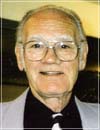
Scott Richardson

Jacob Was Left Alone

Genesis 32:24
Scott Richardson December, 8 1996 Audio
0 Comments

Sermon Transcript

Auto-generated transcript • May contain errors

100%
Turn with me to Genesis chapter
thirty-three. Genesis chapter thirty-two. I want to talk to you this morning
about this 32nd chapter of the book
of Genesis and try to emphasize what is said in verse 24. Genesis 33 and verse 24, and Jacob was left alone. And we could add to that, without
doing violence to the scriptures, that Jacob was left alone with
God. And Jacob was left alone, and
there wrestled a man with him until the breaking of the day."
Jacob was left alone, alone with God. Which reminds me of a portion of Scripture in the
book of Job. the latter part of the book of
Job, the 42nd chapter, the last chapter
of the book of Job. Job, too, was left alone with
God. And the result of his being left
alone with God was that And God was pleased
to reveal His mercy and grace to
him, and also Job was enabled to find
out or to discover who he really was. In that fourth verse of the forty-second
chapter of the book of Job, Here I beseech thee, and I will speak.
I will demand of thee, and declare thou unto me. I have heard of
thee by the hearing of the ear. I have heard of you by the hearing
of the ear. But now mine eye seeth thee. And the result of Job seeing
him, he found out who he was. Wherefore, I hate myself, I abhor myself, and I repent
in dust and anxious." It was only when his eyes seen
him that he found out who he was. And when he found out who he
was, he hated himself and covered himself with dust and ashes. And the Scripture here in the
book of Genesis says, And Jacob was left alone, and there wrestled a man with
him until the breaking of the day. In chapter 32 of the book of
Genesis, it says in that first verse that
Jacob went on his way, and the angels of God met him. And when Jacob saw them, he said,
This is God's host. And verse 3, Jacob sent messengers
before him to Esau, his brother, unto the land of Seir in the
country of Edom. And he commanded them, the messengers
that he appointed from his own company, he commanded them, he
said, Now thus shall ye speak unto my lord Esau. That was his
brother. Jacob have I loved, and Esau
have I hated. versus Scripture over in the
book of Romans. That was his brother. But here
he refers to him as, My Lord Esau. Well, you remember how
he deceived his father and stole the birthright from Esau. And he knew how wrong that he
was in doing so. And you know or do know of his
escapades with his father-in-law Laban and through his connivance
and trickery and deceitfulness, deceived people. Here, he sends messengers before him
to Esau's brother. He is going to try to appease
Esau. He is afraid of Esau. He is afraid
that Esau will do him in. And so he says now to these messengers,
You tell Esau, when you find him, that thy servant speak unto
my lord Esau. Call him my lord. Tell him, Thy
servant Jacob saith unto thee, I have sojourned with Laban,
and stayed here until now, and I have oxen, and asses, and flocks,
and men servants, and women servants, and I have sent to tell my Lord
that I may find grace in thy sight." He was uneasy. His conscience
was bothering him, and certainly not without reason, because he
had treated Esau badly. And so, instead of casting himself
wholeheartedly and unreservedly upon God, begins to plan in order to avoid
Esau's wrath. Remember what I'm saying now. He's uneasy in his mind and his
conscience in reference to Esau because of the way he had treated
Esau. and he wants to avoid the wrath
of Esau, so he begins to make plans on how he can avoid the
wrath of Esau, doing that rather than trusting unreservedly in
Jehovah God. Now, keep that in mind. He begins
to plan. He begins to make arrangements
to avoid the wrath of Esau. He tries to manage Esau instead
of leaning on God, leaning on God, trusting in God and God
alone. And Jacob was much distressed. He is full of fear. And what's he about to do? He
says, I know Esau, and I've got somehow to avoid this wrath that
justly is going to come upon me. Now, what am I going to do?
Well, it indicates here that he has a plan. of how he's going to manage Esau. So he tells his servants, when
you go out to meet him, tell him that I'm a rich man. I have oxen and asses and flocks
and manservants and womanservants, and I have sent by you the messengers
to tell my Lord, that's you Esau, that I might find favor in thy
sight. I might avoid thy wrath. I've spent all these years with
Laban, my father-in-law, the father of Rachel, and I've
accumulated some wealth here. And you tell him about it. Well,
the messengers returned to Jacob saying, We came to thy brother
Esau, and also he cometh to meet thee, and 400 men with him. Now, if he was uneasy before
he talked to the messengers, how much more uneasy is he now, knowing that he has treated him
badly? Jacob has treated Esau badly. thought to appease him, thought
to find favor by sending this message. But when the messengers
come back, we found your brother. We found him, and he's got 400
men with him. Well, verse 7 says, Jacob was
greatly afraid and distressed, full of fear, And he was worried
and he was scared to death. So this is what he did. He divided
the people that was with him and the flocks and the herds
and the camels into two companies or two bands. Half this way and
half this way. Two bands out before him. And
he said, now listen, this is his plan. He's planning. He's planning. He's planning
instead of casting himself unreservedly, wholeheartedly upon God. He's making plans. And this is
what he said he'd do. He said, I'll divide the people
that was with him in the flocks and the herds and the camels
into two bands. And if these all come to the
one company and smite that company, then the other company which
is left, shall escape." He said, all won't be lost in this matter.
I'll divide these two groups, and if he comes in and he'll
jump on that one group, and while he's killing them, the other
group will be away. And Jacob then began to pray.
Now, notice, he makes his plans first. That's the point I'm trying to
make here. He makes his plans, and then he adds his prayer to
his plans. Now, making the plans was enough. But to add strength to his plans,
he begins to pray unto God. If he had done what was right
in the first place, he would have cast himself on the mercy
of God and trusted God implicitly to help him. But he didn't do
it. He had to make some plans. So now he begins to pray, praying
and planning. And Jacob said, O God of my father
Abraham, here he is praying now, God of my father Abraham and
God of my father Isaac, Lord which set us unto me Return unto
thy country and to thy kindred, and I will deal well with thee."
Listen to his confession, "'I am not worthy of the least of
all the mercies and of all the truth which thou hast shewed
unto thy servant. For with my staff I pass over
this Jordan, and now I am become two bands. Deliver me, I pray
thee, from the hand of my brother, from the hand of Esau, for I
fear him, lest he will come and smite me." And he added this,
"...and the mother, and with the children. And thou saidest,"
reminding God of what God said to him in his prayer. He's already made his plan. divide
these two bands. Maybe he'll smite this one, and
all won't be lost, and the other might escape. But his plans did
not satisfy his conscience, so he begins to pray unto God. And he reminds God of what God
has said, I will surely do thee good, and make thy seed as the
sand of the sea, which cannot be numbered from multitude. And
he lodged there the same night, and took of that which came to
his hand a present for Esau his brother." His first plans divide
the group, then he returns to prayer unto God, and now he's
forgotten about his prayer, and he said, I think I'll try to
appease him by sending Esau a present. That's what he's saying. And
look at the present that he's going to give him. And he took
of that which came to his hand a present for Esau's brother,
two hundred she-goats, twenty he-goats, two hundred ewes, and
twenty rams, thirty milk camels with their colts, forty kine,
ten bulls, twenty she-asses, and ten foals. making a present for Esau to
avoid his wrath, making plans, trying to manage
Esau instead of trusting God, trusting Jehovah God. God says,
I'll be with thee, I'll keep thee whithersoever thou had told
him all those things, but yet he trusts He's trusting in his
plans and in his management rather than trusting in God. And he delivered them unto the
hands of the servants. Every drove by themselves and
said unto his servants, Pass over before me and put a space
between drove and drove, so I can hide. And he commanded the foremost,
saying, When Esau my brother meeteth thee, and asketh thee,
saying, Whose art thou, and whither goest thou, and whose are these
before thee, thou shalt say, They be thy servant Jacob. It is a present sent unto my
lord Esau, and behold, also he is behind us.' And he commanded
the second and the third, and all that followed the drove,
saying, Of this manner shall ye speak unto Esau when ye find
him. And say ye moreover, Behold,
thy servant Jacob is behind us. For he said, I will appease him
with the present that goeth before me, and afterward I will see
his face. Peradventure, maybe because of
my plans and my management, my present, maybe he will accept
of me, that is, accept my person, accept my face. So went the present
over before him, and himself lodged that night in the company. And he rose up that night, and
took his two wives, and his two women servants, and his eleven
sons, and passed over the ford, Jabok. And he sent them, and
sent them over the brook, and sent over all that he had. And
Jacob was left alone." All right, let's talk about that a little
bit. He divides the people into two bands, so if Esau comes to
one band and kills them all, the other band shall escape. Jacob, his first thought was
a plan. That's the first thing coming
to his mind, how am I going to get out of this? I've got trouble,
now how am I going to get out of this? What can I do here?
Well, now listen, instead of trusting God, I'm going to do
something. Now, this is a true picture of
the human heart. Now, it's also true that Jacob,
after he makes his plans, he turns to God. But he does not turn to God until
after he makes his plans. Then he cries unto God for deliverance. But no sooner, we found out as
I read to you, no sooner does he cease to pray unto God, he
resumes his planning by saying, I'll send him a present to appease
him. He prays that God will deliver
him, but that's not enough. I'll send him a present, and
maybe he'll Accept me, maybe you'll let me go, maybe I can
avoid the wrath of my brother Esau. Now, you see, praying and
planning will not do together, because if I am planning, I'm
leaning on my plan. When I pray, I should be leaning
exclusively, wholeheartedly, implicitly upon God alone. That's his problem. These two
things, planning and praying, are incapable. There is no compatibility in
the two. things planned and added to the
plan by prayer. These two things are not compatible,
and they virtually and will always destroy each other. When my eye,
my seeing, my vision is filled with my plans or the management
of things, then I'm not prepared. to see God acting for me. And I must see God acting for
me. Now, though Jacob asked God to
deliver him from his brother Esau, he still evidently wasn't
satisfied with that. He tries to appease him with
this present. With these 200 she-goats and
20 he-goats and 200 ewes and 20 rams and so forth,
it seems as though that he had more confidence in a few members
of his livestock, of his herd, than he did in God. If I give
him 200 of this and 20 of this and 100 of this and so many milk
camels, maybe that will appease him. It seems to me when you
come down to the end and the conclusion of what he's doing,
he's got more confidence in a few cattle than he has in the God
that he prayed to. So praying and planning are incompatible. They soon destroy each other. You see how quick you and I are
to make plans? We oftentimes feel satisfied
with ourselves when we add prayer to our plans. And when this is
the case now, which it is in the case of every one of us,
being satisfied with ourselves, when we add prayer to our plans,
and when This is the case, and it is with most of us. Our prayers
are worth about as much as our plans because we're not leaning
on Jesus. We're not putting our full and
whole weight on Him, but we're trusting in our plans rather
than trusting in Him, and that won't do. That won't do. It wouldn't do with this woman
that I read to you about. It wouldn't do. She would touch
the hem of his garment, but she would lose herself in the crowd.
But our Lord said that won't do. That won't do. You will not
escape from making a bold confession of what I've done. And she came
and made that bold confession. Oh, listen, we must be brought
by God to the end of ourselves and to the end of everything
which has to do with ourselves, just as Job must be brought to
the end of himself. Just as Job said, I've heard
of thee with the hearing of the ear, now might I and I know who
I am, I'm nothing and less than nothing. I hate my worthless
self, and I repent in dust and ashes." We've got to be brought
to the end of everything with which self has to do with. For until we are brought to the
end of ourselves, God cannot show Himself. God will not show
himself until the sentence of death is rested upon self. Self's got to be seen in all
of its feebleness and worthlessness. We've got to see it. It's not
that God has got to see it. He already knows what we are,
but we've got to see it. And we can never get to the end
of our plans until we have been brought to the end of ourselves. A man is under some sort of conviction
as to his worthlessness and his sins, and immediately the first
thing that comes to his mind is, well, if I quit this and
if I quit that, I'll make myself presentable unto God. I'll start reading the Bible,
or I'll start going to church, or I'll start treating my wife
right. I'll quit cussing, and I'll do away with some of my
habits. Isn't that right? Isn't that
the way most people are affected when they're under some sphere
of religious conviction? I'll try to patch up that which
is wrong, and God seeing my efforts and my determination and my plans,
then He'll have mercy and pity me and so forth. That's not the
case. That's not the case. Listen,
we can never get to the end of our plans until we have brought
to the end of self. We must see, as Isaiah said,
all flesh is as grass, and all the goodness thereof is as the
flower in the field." Jacob, the Bible says, was left alone,
left alone with God. And when a man is left alone
with God, he discovers who he is when his eye sees him. He's heard about him, but when
his eye sees him, a sovereign God, A God who can't be controlled, a God who
doeth according to the good pleasure of His will, a God full of mercy
and full of grace, a God that hates sin, a God that's angry
with the wicked every day. Jacob was left alone with God. Now listen, this is the turning
point. in this remarkable man's history
right here, when he was left alone with God. Oh, listen, to
be left alone with God is the only right way and true way of
arriving at a right knowledge of who we are and who God is. When the seat of of his strength
was touched. Notice here in this 32nd chapter
and verse 25. Verse 24, And Jacob was left
alone, and there wrestled a man with him until the breaking of
the day. Now, no matter what we may think
of ourselves. It doesn't make any difference
what the world thinks of us, and it doesn't make any difference
what others think of us, even our friends, even our family
and our children. The great and most important
question is, what does God think about us? Now, the answer can
only come Listen to me closely now. The important question is,
is what does God think about us? Not what does the preacher
think about us, what does the world think about us, but what
does God think about me? The answer can only come when
we're left alone. Left alone, away from our emotions,
away from our Imaginations away from our thoughts, away from
everything pertaining to self and alone with God. And if we
can ever get in that situation, if God will ever bring us to
that point where we're alone with God, then we can get a right
and correct judgment about who we are. Until we find out who
we are, we'll never have any desire to find out who He is. He is left alone, Jacob was.
He's left alone. After all this planning, conniving,
and all this adding to his plans, his prayers, he was finally left
alone with God. Now, notice, it was not Jacob
wrestling with a man. You see that? And Jacob was left
alone, and there wrestled a man with him until the breaking of
the day. So it was not Jacob wrestling
with a man, but a man wrestling with Jacob. Now, my wrestling
with a man and a man wrestling with me presents Two different
ideas. My wrestling with a man is that
I want to gain something from that man. I want to gain some
object from the man. If I'm wrestling with him, I'm
taking the initiative. I'm doing my very best to do
him in in order that I might gain some object from him. Now,
a man wrestling with me is that he wants to gain some object
from me. Here in Jacob's case, the object
that the man that was wrestling with him to be gained was to
bring him, was to bring Jacob to see what a poor, feeble, hopeless
creature that he was. That was the object of the wrestling
match to show Jacob what he really was. Not what he thought he was,
but what he really was. Now, he's going to make him to
know and to see how poor and helpless and hopeless he is.
And they wrestle. They wrestle. And it says And when he saw that he prevailed
not against him, when the man that wrestled with
Jacob saw that he couldn't prevail against him, I believe this is
God doing the wrestling, and he saw that he couldn't prevail
against him, human language, he touched the hollow of his
thigh, and the hollow of Jacob's thigh was out of joy as he wrestled
with him. And he said, Let me go for the
day breaking. Jacob said this. He said, I will
not let thee go until thou bless me. I won't let you go until
you bless me. That is, he touched the heart
of his thigh. What does that mean? That means
that his thigh was out of joint. And from then on till the day
he died, he hobbled. Everywhere he went, there was
this helpless, poor creature going down the road, leaning
to one side, casting all of his weight on his good leg. He needed
what they do nowadays, a hip replacement. It was out of joint
and it never went back in joint. And he hobbled. Why? Because the sentence, God wrote
the sentence of death on the flesh of Jacob. God's got to
write the sentence of death on us. Then we're dead and hopeless
and helpless, doomed, damned, and going to hell if we don't
recognize our need of a blessed Savior. That's the truth. God will have
it no other way. If it was another way, then flesh
would glory in His presence, and God will never have flesh
to glory in His presence, never. That no flesh might glory in
His presence. You've got to come to the place
where you see and know and understand that this matter of salvation
is all of God, not anything of yourself. that you're poor and
helpless and hopeless, unable to do anything about your situation. Shut up to God and God alone. Only God can help the lost sinner. Only God can save him. He can't
save himself. He may make his plans to do this
and his efforts put forth the greatest of efforts, struggling
with the flesh, trying to overcome it, trying to be good, trying
to be this and that and so forth, but not until God touches the
seat of his strength. Touches him, touches him, and
his thigh is out of joint. Made to know. The sentence of
death got to be written on the flesh. He did not, Jacob, did not get
a true picture of what a perfect, helpless thing he was in himself
until God left him alone with himself. Oh, when the seat of
his strength was touched, he could say, and he learned to
say, I will not let thee go. I won't let you go until you
bless me." Nothing. God was wrestling with old Jacob
to bring him to this point. I will not let you go until you
bless me. Now, to say this from the heart
and to live, to abide in the power and the strength of That
is the secret of this gospel application. Jacob said this
when the hollow of his thigh was touched, but not until then. He fought long and hard. He fought God. He fought God
back. He resisted God. all night long
until the breaking of the day. The man said, Let me go. And
Jacob said, I won't let you go. God touched him. He said, I won't let you go until
you bless me. He fought long and hard before
he gave in. Why? He had strong confidence
in the flesh. Every man does. I've talked to
men all my life. Talk to them about what I'm talking
to you about here this morning, about their helplessness and
hopelessness. And when I get through talking
to them, they immediately tell me that they feel like that they're
not doing this and they're not doing that, and on that basis
they'll be accepted. They've never, the sentence of
death has never touched on them yet. never been made to see how hopeless
they are to do anything about their condition. Listen, he had strong confidence
in the flesh, struggled till the going down of the sun, but
God knows how to bring down to nothing, into the dust, the strongest
of men, the strongest of men in the flesh. God can bring them
down. He knows how to touch the spring
of nature's character. He knows how to do that and when
to do it and where to do it. Until this is done, a man can
have no power with God and he can have no power with man. We
must be weak in order that we might be strong. There's nothing
in self or about self that can ever a platform to display, to show
forth the grace of Almighty God. If it was so, then we would glory
in the flesh. And as I've always said, that's
not so, never will be so. Jacob, he was made to tell out
his name. And he said unto him, What's
thy name? And he said, Jacob. And you know what Jacob means?
Deceiver. He won't let him go until he's
found out who he is and makes him admit it before God. What's your name? God knew his
name. God knew his name before the
world ever was. God named him. Jacob, have I
loved... God loved him before time ever
was. God wouldn't let him go. He'll
have every one. God will have every one that
He's set His affections upon before the world ever was. He'll
have every one of those that He gave grace in Christ before. He'll have them. He'll have them. He'll bring the strongest down.
He knows how to touch the strength of their nature and render them
helpless and hopeless in His sight. And He'll bring out of
them a confession too. A confession of who they are.
As long as you think you're somebody, you'll never be anybody. It's
when you're nobody that you're somebody. He said unto him, What's your
name? He said, Jacob. Jacob, deceiver, supplanter,
supplanter, deceiver all of his life. And he said, Thy name shall
be called no more Jacob. But Israel, your name will be
called Israel now. What does that mean? That means
the Prince of God. This sure planter, when God brought
him to the end of himself and touched the strength of his
nature, And he's seen himself. What's your name? I'm a deceiver.
I'm a deceiver. Well, he said, Your name not
be called that anymore. Name be called Israel, for as
a prince hast thou power with God and with men, and hast prevailed. Power with God, power with men,
and thou hast prevailed. And Jacob asked him and said,
Tell me, I pray thee, thy name. And he said, Wherefore is it
that thou dost seek after my name? And I'll tell you this,
God never did tell him who he was. He never did. But anyhow, it wasn't long after that he found out. that all his planning
was to no avail. And Jacob lifted up his eyes
and looked, and behold, he saw a king. Here he comes, his planning,
and adding to his planning, his praying, to avoid the wrath of
his brother, whom he deceived. Here he came, here come Esau,
and with him four hundred men. And he divided the children unto
Leah and unto Rachel, and unto the two handmaids. And he put
the handmaids and their children foremost with Leah and her children,
after Rachel and Joseph, and removed. And he passed over between
them and bowed himself to the ground seven times, until he
was still planning. See, after all this experience,
the planning is not burnt out of him. He's still planning.
He's still trying to manage Esau. had this wonderful and glorious
experience with God, and he's still planning. Bows down to
the ground seven times. Maybe that will appease him.
Maybe he'll see that I'm humble. Maybe he'll see that I'm broken
in spirit. Maybe he'll see that I didn't
mean what I done. Hey, he'll look over me. He'll
have mercy on me. Seven times until he came near
to his brother. But God, in the meantime, appeased
Esau. And Esau ran to meet him. What
did he do? Embraced him. Fell on his neck
and there, there embraced one with another, these two brothers.
Tears in their eyes. They wept and they embraced. No, no conflict, no strife. Everything winds up happy. Oh, listen. He kissed him, and
they wept. And he lifted up his eyes, and
he saw the women and the children. And he said, Who are these? And
he said, The children which God gave graciously, which God hath
graciously given thy servant. Then the handmaidens came near,
and they and their children, and they bowed themselves. And
Leah also with her children came near and bowed themselves. And
after came Joseph, and Rachel, and they bowed themselves. And he said, What meanest thou
by all this drove which I met? And he said, These are to find
grace in the sight of my Lord. God appeased O Esau. And Esau
said, I have enough, my brother. Keep that which thou hast unto
thyself. Oh, no, verse 11, Take, I pray
thee, my blessing which is brought to thee, because God hath dealt
graciously with me, and because I have enough, and he urged him
and took him. Oh, you see what I'm trying to say here. Come
to the end of yourself. Jacob was left alone, left alone
with God. God touched him. He knew the strength of the man.
The sentence of death was written. Has the sentence of death been
written on you? You can't help yourself. Quit
your planning and managing and adding prayers to your plan.
Just simply, wholeheartedly, out of a heart that has been
sifted by the Spirit, trust God. Abraham believed God. Do you
believe Him? There's a verse or so over here
in the book of 1 John, if I can find it. 1 John here, I'll find it in a
minute. Whosoever believeth that Jesus
is the Christ is born of God. Do you believe that? Do you believe
that Jesus is the Christ, that Jesus is God's Christ, that the
Lord Jesus Christ is appointed by God to be prophet, priest,
and king, and Savior. Do you believe that? Do you believe
that He came to save His people from their sins? Do you believe
that He saved you from your sins? Whosoever believes that Jesus
is Christ, he's born of God. He's born of God. And every one that loveth him
that begat loveth him also that is begatten of him." By this,
listen, now John's not writing to unbelievers here, he's writing
to believers in order that the believer might have full assurance.
Listen, by this we know that we love the children of God when
we love God and keep His commands. And this is the love of God,
that we keep His commandments, and His commandments are not
grievous, and whosoever is born of God overcometh the world,
and this is the victory that overcometh the world, even our
faith. Well, the Lord bless us. Let's stand, we'll be dismissed,
and meet again this evening.
Scott Richardson
About Scott Richardson
Scott Richardson (1923-2010) served as pastor of Katy Baptist Church in Fairmont, West Virginia.
Broadcaster:

Comments

0 / 2000 characters
Comments are moderated before appearing.

Be the first to comment!

Joshua

Joshua

Shall we play a game? Ask me about articles, sermons, or theology from our library. I can also help you navigate the site.