Bootstrap
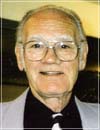
Scott Richardson

Two Aspects Of The Lamb

Exodus 12:6-7
Scott Richardson August, 11 1996 Audio
0 Comments

Sermon Transcript

Auto-generated transcript • May contain errors

100%
Well, turn with me again, if
you will, to that twelfth chapter of the book of Exodus, and we're
going to talk a little bit here this evening about the two aspects of the Lamb. The Lamb is to be seen here in
two aspects. First, the ground of peace, and
second, the center of unity. In this 6th and 7th verse of
chapter 12, 6th and 7th verse, I'll read the
5th verse too. Your lamb shall be without blemish. That I said this morning would
be no mistake in regard to who this Lamb is, who this Lamb in
type points to, the Lamb of God. Remember John the Baptist? He
looked yonder there and here came the Savior. He said, Behold
the Lamb of God. Behold Him. Abraham, under those trying circumstances,
difficulties. When God told him to take his
only son, a son of his old age, take him and offer him up, kill
him, kill him, slay him, cut his throat, offer him as a burnt
offer. And when they got up to the mountain The boy said, Father Abraham,
he said, there's the altar, there's the wood, but where's the sacrifice? Remember that? But where's the
sacrifice? Remember what Abraham said to
him? He said, son, God will provide
himself. a Lamb. This is the Lamb I'm
talking about. God will provide Himself a Lamb. Behold the Lamb of God. John said He's come. This is
the Lamb that God said He would provide Himself. This is Him. That's the Lamb I'm talking about.
Your Lamb shall be without blemish. perfect, pure, spotless sacrifice,
the burnt offering. A male of the first year, he
shall take it out from the sheep or from the goats. He shall keep
it up until the fourteenth day of the same month. And the whole
assembly, that's the unity, the whole assembly of the congregation
of shall kill it in the evening. And they shall take of the blood, and strike it on the two side
posts, and on the upper door post of the houses wherein they
shall eat it. And they shall eat the flesh
in that night. roast with fire, roasted, not
raw, but roasted, which has to do with the fire of God's wrath
against sin, falling on the Lamb of God on Calvary's tree. Unleavened bread and bitter herbs
they shall eat it, eaten out of it raw, nor sodden at all
with water, but roast with fire, the fire of God's wrath, his
head with his legs, and with the pertinence thereof. And ye
shall let nothing of it remain until the morning, and that which
remaineth of it until the morning ye shall burn with fire, and
thus shall ye with your loins girded, your shoes on your feet,
your staff in your hand, and ye shall eat it in haste. It
is the Lord's Passover. And I will pass through the land
of Egypt this night, and will smite all the firstborn in the
land of Egypt, both man and beast, And against all the gods of Egypt,
I will execute judgment. I am the Lord. And the blood shall be to you
for a token upon the houses where ye are. And when I see the blood, I will pass over you. and the
flag shall not be upon you to destroy you when I smite the
land of Egypt." Well, the blood on the doorpost. They shall take
the blood. Take the lamb. He's got to be
without blemish. They've already determined that
by observation, going out and looking at the lamb. Catch the blood of the slain
lamb and strike it, paint it upon the two side posts and upon
the upper door post of the houses wherein ye shall eat." Now, the
blood on the door post secured Israel's peace. Remember that. It was the blood on the doorpost
that secured the safety of the Jews inside the house. It was that blood. That blood
will be a token upon the houses where you are. Got to have the
blood up there. Don't have the blood subject
to the judgment of God. Got to have the blood. He said,
when I see the blood, verse 13, when I see the blood, I will
pass over you. When I see it now, now listen,
there's nothing more required in order for the Israelites inside
the huts to enjoy a settled peace in reference to this destroying
angel who was to come over than the application of the blood. The application of the blood
on the doorpost. That was it. Blood must be there. Nothing else more is required,
just the blood. And that blood will give safety
from the destroying angel when he comes over the land of Egypt. That blood on there affords those
inside safety. They are as safe as God can make
them safe. Death had to do its work in every
house in the land of Egypt. If you notice there in verse
12, For I will pass through the land
of Egypt this night." Now, that's referred to many times by writers
and preachers as the destroying angel, but that's God Himself. That's God, I believe. I will
pass through the land of Egypt this night, and this is what
He's going to do now. Notice this, "...and will smite
all the firstborn in the land of Egypt, both man and beast."
Where is Israel? Where are they at? Now, did God do what He said
He would do? He said, I will smite all the
firstborn of the land of Egypt. The Israelites were in the land
of Egypt. And he said, I'm going to smite
all the firstborn of the land of Egypt. So that means not only
the firstborn of the Egyptians, but the firstborn of the Israelites. All right? Death had to do its
work in every house in the land of Egypt. The Bible says he's
appointed unto man once to die. But now listen, but God, oh,
I'm glad that there's always but God. But God, in His great
mercy, found an unblemished substitute for Israel on which the sentence
of death was executed. Instead of the firstborn of Israel
being subject to the judgment, he found a substitute. He sent
the Lamb. And the wrath of God against
the firstborn fell on the Lamb. So he kept his word. He kept
His word. When I pass through, I'll smite
all the firstborn in the land of Egypt. He smote the firstborn
in their substitute, the land of God. Well, God in His great
mercy then found an unblemished substitute for Israel. And in this unblemished substitute,
this substitute that pointed to God's Christ, God's claims,
God's claims was met in the substitute against him whom the substitute represented. God's claims, God's demands,
God's requirements were all met in the substitute. And all the
sinner's needs was met in the substitute. So God's claims and
the sinner's needs were all met in one and the selfsame thing,
the substitute. The claims of God is met in Christ
Jesus and the needs of the sinner is also met in Christ Jesus our
Lord. The blood of the Lamb. Now that
blood, the blood of this Paschal Lamb on the outside of the hut,
on the side post and upon the door post, This blood proved
that all was divinely and perfectly settled in regard to the claims
of God, and therefore the result of that was a settled peace. The result of his claims being
settled and the sinner's needs being met, there was peace, and
this peace reigned. in that house that night. You
see, just a margin of doubt, just a shade of doubt in the
bosom of an Israelite inside that house would have been a
dishonor to the offering of this Paschal Lamb, a shade of a doubt. They didn't doubt it. They didn't
doubt it. Oh, no. The ground of their peace
was a blood atonement. The judgment that was due the
Israelites fell upon the appointed victim, which was the Lamb, and
believing this, they could have peace of heart and mind and conscience. It was settled. It was settled.
The blood, the blood. They believed it. They believed
what God said because God said it. They believed it. They didn't doubt it. With no
doubt, sir, they knew they're safe. Why? Because they had the
blood there and God said, when I see the blood, I'll pass over
you. They're safe. They're safe as God could make
them safe. That's enough. God says, when I see the blood,
I will pass over you. You didn't need anything else.
The blood met all the requirements. You didn't need anything. It was not a question of personal
worthiness. Those fellas in the hut wasn't
saying, well, I understand that I've made a
few mistakes in my lifetime, And I know there's a few things
that I did that probably wasn't right, and I've had a few bad
thoughts and this and that and so forth. No, there was no question of
personal worthiness. Self had nothing to do whatsoever
with the matter. Self was entirely excluded from
this matter. It was the blood on the outside. that secured their safety within,
not personal worthiness. All that is under the cover of
the blood is safe. Personal worthiness has nothing
to do with it. I don't do this, and I don't
do that, and I went to church all my life. My folks was Christians,
and they didn't cuss, and they didn't drink, and they didn't
commit adultery and all these things. No, he said, I feel like
I'll be all right. No personal worthiness. Self had nothing to do with it.
All under the cover of the blood was safe. They were not merely,
now listen to me, they were not merely in a savable state. They
were not hoping and praying to be saved. They knew that they were saved. They knew that. It was an assured
fact. Pat McGinnis and I heard a fellow
say the other day, when he talked about facts, he said, facts are
stubborn. This is assured fact and facts
are stubborn. And they knew it. They knew it. They had authority. Their authority
was none other than God himself. How could they doubt when God
said, take the lamb, kill the lamb, catch the blood, put it
on there, get in the house and eat the lamb, and when I see
the blood, I'll pass over you? They had His word for it. That's
their authority. God cannot lie. Go make this about them. They weren't placed in a savable
state. They want to ask about their
personal worthiness. Are they worthy? I don't feel
like I'm worthy. And if you ever do feel like
you're worthy, you are not humble, but you're full of pride. Worthiness. Listen, we need to
be simple and clear as to what constitutes a sinner's peace
in the presence of God. And it's as simple as I can make
it. But it's as plain and clear as
the noonday sun. So many things in religion. You know, religion runs thick
here in the... maybe it always has, but in the
20th century. Religion, religion, religion. Everybody's got religion. So
many things are mixed up with the finished work of the Lord
Jesus Christ that the souls of men are plunged into darkness
and uncertainty as to their acceptance with God. The reason they do not see the
absolutely settled character of redemption. That's the reason.
They don't see that. They have not seen God's salvation. He said stand still and see God's
salvation. They haven't seen it. They're
mixed up. They seem not to be aware of
the full forgiveness of sin rests upon the blood and the blood
alone. Full forgiveness. I said this
ten hundred times. Full forgiveness. Yesterday's sin, today's sin,
tomorrow's sin. Full, full forgiveness rests
not on your personal worthiness. Full forgiveness rests upon the
blood of the Lamb. And they don't understand that. Simple fact, isn't it? Stubborn. Full atonement by the Lord Jesus
Christ has been offered. And the proof of the acceptance
of the atonement is that God raised Him from the dead and
He ever lives to make intercession for those that He atoned for. is so much needed in our day
is to know that we're safe. That's what we need to know,
that we're safe. I'm surprised that... I talked
to some people, hadn't been too long ago, and I preached, and
after the service, they all gathered around the front of the building,
and they told me two or three of them was... had questioned
me as to the as to the authority for some of the things I said
about full forgiveness. They said, you mean you know
that you're saved? I said, yes, I know I'm saved. Christ died for sinners, and
I'm chief of sinners. He died for me. Why not me? He died for somebody. Why not
me? And if he died for me, he answered
God's claims and met my needs, and I'm as safe as God can make
me safe." They said, well, we don't know about that. Well,
I said, maybe you will someday. So what is so much needed today
in our time is to know that we're safe. Now, this Jew, Israelite,
that was in that hut and had the blood overhead and on his
side post. That Jew not only knew that there
was safety in the blood, he knew that he was safe. Now, you and I know that there
is safety in the blood, but do you know you're safe? See, there's
a difference. Everybody that you talk to says,
yes, we know about Jesus. He died for sinners on the cross,
and there's salvation there. But did He save you? Are you
safe? Are you safe? Does the blood apply to you? That's what I'm talking about,
and that's what I think people need to know. This Jew that was
in there, He knew there's safety in the blood, and he also knew
that he was safe. And then the question arises,
why is he safe? Huh? Was it because of anything
that he done? Was it because of anything that
he thought? Was it because of anything he
felt? By no means. He was safe, as
I've already said, because God had said, when I see the blood,
I will pass over you. What did he do? He rested not
on what he thought, what he felt, what he experienced, or what
he understood. He rested solely and completely
on God's testimony, I will pass over you when I see the blood.
He rested on that. That's what I rest on tonight. I haven't had no great experience.
I haven't seen anything that you haven't seen. I rest on this. I rest on the
unchanging Word of Almighty God. I see the blood. I'll pass over
you." He believed what God said because
God said it. He said to his soul that God
is true. He said, God's true. I believe
him. I trust him. I rest in him and
him alone. So, from what I've said thus
far, what we've read from the testimony of God concerning these
people, it was not by this man's thoughts, it was not by this
man's feelings, it was not by this man's experience respecting
the blood that he rested upon. That would have been a poor foundation,
wouldn't it? If it was what he thought, what
he felt, what he experienced. Poor foundation. the foundation that was built
on the sand, and when the winds came and the floods came, washed
the foundation away. Now, it was not by his thoughts,
not by his feelings, not by his experience, respecting the blood
that he rested. And I said that's a poor foundation.
Now, his thoughts and his feelings might be He might have deep thoughts
or he might have shallow thoughts. But whether he had deep thoughts
or shallow thoughts, they had nothing to do with the ground
of his peace. The ground of his peace was where?
It was on the blood. The blood overhead and the blood
down here and his inside. God said, When I see that blood,
I will, I will pass over you. It's not when. It's not said
nowhere in the Bible, when you see the blood and value it as
you ought to value it, then I will pass over you. That's not what
it says. The human mind, the intelligence
of a human being is not capable of making a proper estimation
of the blood of God, they cannot put the proper value on the blood
of God. Only God knows the value of that
blood. And He said, when I see that
blood, the blood of that Lamb, that Lamb which pointed to God's
Lamb, when I see the blood of the Lamb, I'll pass over you."
Oh, listen, what gives peace was the fact that God's eye rested
on the blood. That's what gives peace. And
He knows its worth. He knows the value of the blood
of the God-man. He knows it. Inside, you're safe. If you're inside the hut and
the blood's outside, you're safe. It's not because of your thoughts
or your feelings. Listen, the blood's on the outside
and the Israelite's on the inside, and the Israelite that was on
the inside could not possibly see the blood. But God saw it. And that's enough. That's enough. God saw the blood. Folks, in our day, they want
some kind of an experience, don't they? Some great experience. They want to see something, or
they want to hear something, want to touch something, want
to feel something. Most of the time, that's not
the way it is. It's with true faith resting
in God. in the testimony of His Word
alone. And that's what brings about
settled peace. And that's what will stay you in the hour of
need is the testimony of God when I see the blood, when I
see it. Because there'll be a time, and
I've said this many times, there'll be a time when you can't see
the blood. There'll be a time, maybe, I hope not, but somebody
here Maybe me. I hope not, but it
might be, could be. Going to get to the place. Old age. You don't know straight up. You
don't know where you live. You don't know who your family
is. If someone was to talk to you about the blood, You wouldn't
know nothing about it. You'd say, oh, I hope I never
get that way. Well, I hope you don't either. I hope I don't
get that way. But there's a possibility. Lots of God's saints, they have
that, what kind of disease is that, Pat? Alzheimer's disease. They have that. And the children
can't take care of them. Impossible. They run off. They
can't help themselves. and put them in a home. Go talk
to them and they don't know what's going on. Don't know you. But
you see their safety. Their safety don't depend on
what they know. It's who they know. He said, when I see the blood,
the blood will still be there. He said, I see the blood. I pass
over you, they're safe. Saints of God, when they get
in that condition, if they do, they're safe. You may go see
them and go away from there being sad, saying, boy, they're in
bad shape. Well, in a physical sense they
are, but their safety is not founded in themselves. Safety's in the
blood. Listen, the blood is on the outside,
the Israelites on the inside, and the Israelites can't see
the blood that's on the outside. But God sees the blood. That makes the difference. God
sees the blood, so He says, I'll pass over you. All right? How could anybody ever enjoy
a established and settled peace if his peace depends upon his
estimate of the blood of the Son of God? The highest estimate
of the human mind falls 10,000 miles short of the real value
of the blood. of the Son of God, there must
be sufficient ground for peace in the blood and the blood of
loneliness of the Lord Jesus Christ. Without the shedding
of the blood, there is no remission of sin. That's my hope, and that's my
peace. God sees the blood. See, other people, they'll look
at you. They don't see much about you
that's any different from them, do they? But our judgment's not with them,
is it? It has to do with Him. And he
said, when I see the blood, I'll pass it over to you. When men see us, you know what
they see? They see our blots and our blunders,
our mistakes, our discrepancies, our prejudice. They see all those
things. God sees us. He sees us in the
substitute that He provides. He sees us in the Lamb. We're one with the substitute,
one with the sacrifice. And He sees us in Him as though
we had no blots or blunders. And He said, when I see the blood,
I'll pass over you. God help you. You're here. See what I'm talking about. I
can't make you see it. But if you have an interest,
if you have an interest this evening in what I've been saying
about the blood of the Lamb, if you have an interest, maybe
that interest is of God. And He'll give you some understanding. He'll open your eyes. And He'll cause you to rest in
Him, because His eye rests in the blood. You will say, all
right, let's stand.
Scott Richardson
About Scott Richardson
Scott Richardson (1923-2010) served as pastor of Katy Baptist Church in Fairmont, West Virginia.
Broadcaster:

Comments

0 / 2000 characters
Comments are moderated before appearing.

Be the first to comment!

Joshua

Joshua

Shall we play a game? Ask me about articles, sermons, or theology from our library. I can also help you navigate the site.