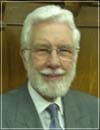
In his sermon on Psalm 119:57-60, Stephen Hyde addresses the profound theological theme of God's sufficiency and grace as the believer's portion. He emphasizes the psalmist's declaration of God as his portion, highlighting the necessity of wholehearted devotion to God's words and commandments. Hyde utilizes Scripture references, including Psalm 73:26 and 2 Samuel 22:21, to illustrate the psalmist’s confidence in God's faithfulness amidst life's trials. The practical significance of this message encourages Christians to wholeheartedly seek God's mercy and guidance, prompting a sincere reflection on their paths and a decisive commitment to obedience. The sermon calls believers to immediate and earnest action in their faith journey, asserting the importance of not delaying in obedience to God's commands.
Key Quotes
“Thou art my portion, O Lord; I have said that I will keep thy words.”
“I entreated thy favour with my whole heart. With my whole heart. That’s not a divided heart.”
“I thought on my ways and turned my feet unto thy testimonies.”
“I made haste and delayed not to keep thy commandments.”
The Bible describes God as our portion, highlighting His role as our satisfaction and source of strength (Psalm 119:57-60).
Psalm 119:57-60 emphasizes God's significance in the life of the believer, stating, 'Thou art my portion, O Lord.' This declaration acknowledges that God provides fulfillment and strength, especially in times of difficulty. The psalmist, drawing from his own experiences, teaches us that God is not only our present help but also our eternal inheritance, as observed in Psalm 73, where it is proclaimed that God is the strength of our heart and our portion forever. This understanding shapes our relationship with God, encouraging us to desire Him above all else.
In a broader theological context, perceiving God as our portion underscores God's sovereignty in bestowing grace on His elect. It reminds Christians of the importance of setting our affections on things above, recognizing that true contentment lies in God alone. This view aligns with the teachings of sovereign grace, wherein God’s provision, both materially and spiritually, reflects His goodness and faithfulness. Hence, as we navigate our spiritual journeys, keeping God as our portion sustains our faith and fuels our devotion.
The Bible affirms that God hears the prayers of those who seek Him with their whole heart (Psalm 119:58).
In Psalm 119:58, the psalmist states, 'I entreated thy favor with my whole heart.' This verse highlights the importance of sincerity and wholeheartedness in approaching God in prayer. The consistency of this theme throughout Scripture assures believers of God's willingness to listen and respond to our pleas. God's mercy is emphasized as a foundational truth; He beckons us to come to Him with our failures and shortcomings, promising to hear us according to His Word, which declares His faithfulness.
Moreover, in understanding God's character, we see that He is not only capable of hearing our prayers but is also inclined to respond mercifully. This assurance is grounded in God's covenant faithfulness as outlined in passages like Psalm 51, where David pleads for mercy. The historical context of these prayers further illustrates that God is actively engaged with His people, responding to their cries and granting them grace. Knowing this cultivates a healthy prayer life, motivating believers to approach God boldly, trusting in His goodness and steadfast love.
Keeping God's commandments is vital as it reflects our love for Him and aligns us with His will (Psalm 119:60).
Psalm 119:60 states, 'I made haste and delayed not to keep thy commandments,' emphasizing the necessity of obedience in the life of a believer. This verse highlights that obedience is more than mere rule-following; it's an expression of our love and devotion to God. The urgency reflected in the psalmist's commitment to keeping God's commands illustrates the crucial link between faith and action, demonstrating that genuine faith produces a desire to live in accordance with God's will.
From a Reformed theological perspective, the necessity of obedience stems from the transformative work of grace in the believer's life. It is through God's grace that we gain the ability to will and act according to His good pleasure (Philippians 2:13). Obedience signifies our alignment with God's character and purposes, indicating that we have indeed embraced Him as our Lord and Savior. Therefore, the command to keep His commandments is not burdensome; it is a joyful response to the grace we've received, ultimately bringing glory to God and deepening our relationship with Him.
Comments
Your comment has been submitted and is awaiting moderation. Once approved, it will appear on this page.
Be the first to comment!
