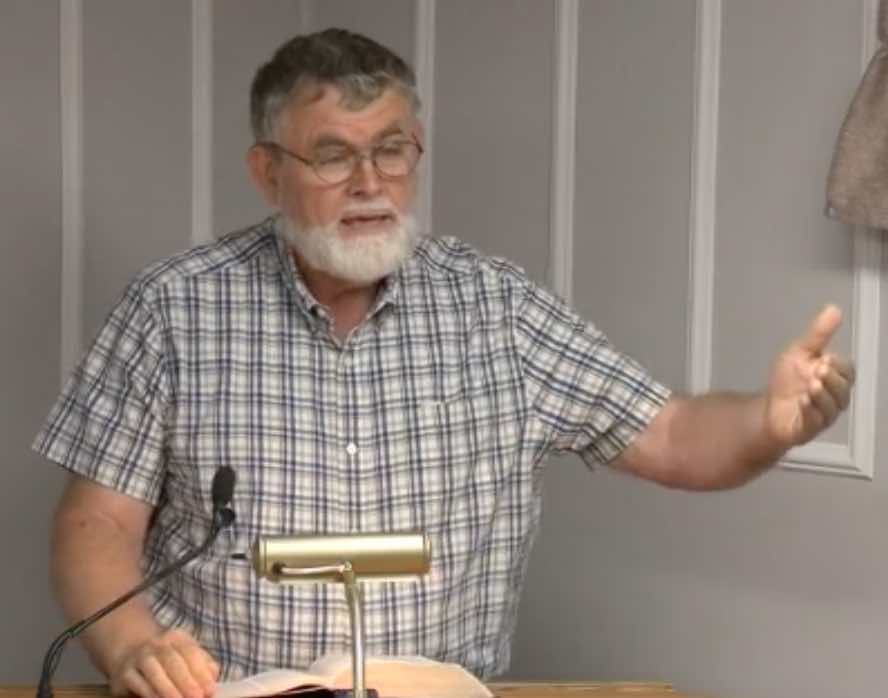
In his sermon "The Idol Gods," Mike McInnis addresses the pervasive nature of idolatry in contemporary society, positing that idolatry extends beyond physical objects to include any conception of God that is manipulated by human desire. He argues that unregenerate individuals create gods that conform to their own preferences, leading to their inability to recognize the true God, who is sovereign and beyond human comprehension. Through Scripture references such as Job 10:2, 1 Samuel 15:22, and Isaiah 45:22, McInnis illustrates that true worship is not characterized by mere rituals or sacrifices, but by obedience to God’s commands. This sermon emphasizes the doctrinal significance of recognizing the distinct nature of God, highlighting the need for worship that acknowledges His sovereignty and the independence of His will, ultimately calling listeners to reject fabricated idols in favor of submitting to the one true God.
Key Quotes
“The real error of idolatry is not found in the fashioning of a piece of wood, stone, or metal, but in the mind which believes it can shape and fashion God according to its own design.”
“Men will go to great lengths of service and devotion to those gods which they fashion, and will often defend them even unto death.”
“Our God is in the heavens. He hath done whatsoever he hath pleased.”
“Do you worship the one true and living God? His name is above every name.”
The Bible warns against idolatry, emphasizing that true worship must be directed to the one true God.
Idolatry, according to Scripture, is not merely about bowing down to statues; it involves the heart's inclination to fashion a God based on personal desires and understanding. This is evident in the way people create 'idol gods' that agree with their own values and desires, often neglecting the true nature of God as revealed in the Bible. As Job stated, the true God cannot be limited or fashioned by man’s perspective, which is a critical distinction between the true God and the idols we create in our minds. The act of worship should be directed only to God, who is supreme and sovereign over all creation.
Job 10:2-3, Isaiah 45:5-6, Samuel 15:22
We know God is true through His self-revelation in Scripture and the reality of creation around us.
The certainty of God's truth is foundational to the Christian faith and is affirmed through both special revelation in the Bible and general revelation in nature. Isaiah 45:5-6 emphasizes that there is no other God besides Him, asserting His uniqueness and sovereignty. This truth is backed by the consistent and coherent nature of God's revelation in Scripture that presents a God who is unchanging and omniscient, in contrast to the idols formed by human hands that cannot provide wisdom or truth. Believers find security in the steadfastness of God’s promises, knowing that the reality of their faith is grounded in a true and living God.
Isaiah 45:5-6, Romans 1:20
Obeying God is vital because it reflects our submission to His authority and understanding of His holiness.
Obedience to God is not merely about performing religious duties; it is a demonstration of our recognition of His ultimate authority and sovereignty. As highlighted in 1 Samuel 15:22, God desires obedience over sacrifice. This means that our adherence to His commandments stems from a relationship that values His holiness and righteousness over our own self-made religious practices or idolatrous attempts to appease Him. Genuine obedience is indicative of faith in God’s character and requires us to acknowledge that He establishes the terms of acceptable worship. This is foundational for living a life that honors God’s sovereignty and truth.
1 Samuel 15:22, Psalm 51:16-17
Making God in our image leads to idolatry and distorts our understanding of His true nature.
When we attempt to shape God according to our preferences or understanding, we engage in a form of idolatry that diminishes the truth of His character. This practice is rooted in a desire for control and comfort, where we conceptualize God in a way that aligns with our desires and moral frameworks. However, as the sermon points out, the true God cannot be confined to our limitations or expectations and instead invites us to recognize His sovereignty in all aspects of life. This danger is that we may end up worshiping a false god that cannot provide true redemption or satisfaction for our souls, as they differ fundamentally from the living God who demands true worship and obedience.
Romans 1:22-23, Isaiah 40:18-20
Comments
Your comment has been submitted and is awaiting moderation. Once approved, it will appear on this page.
Be the first to comment!
