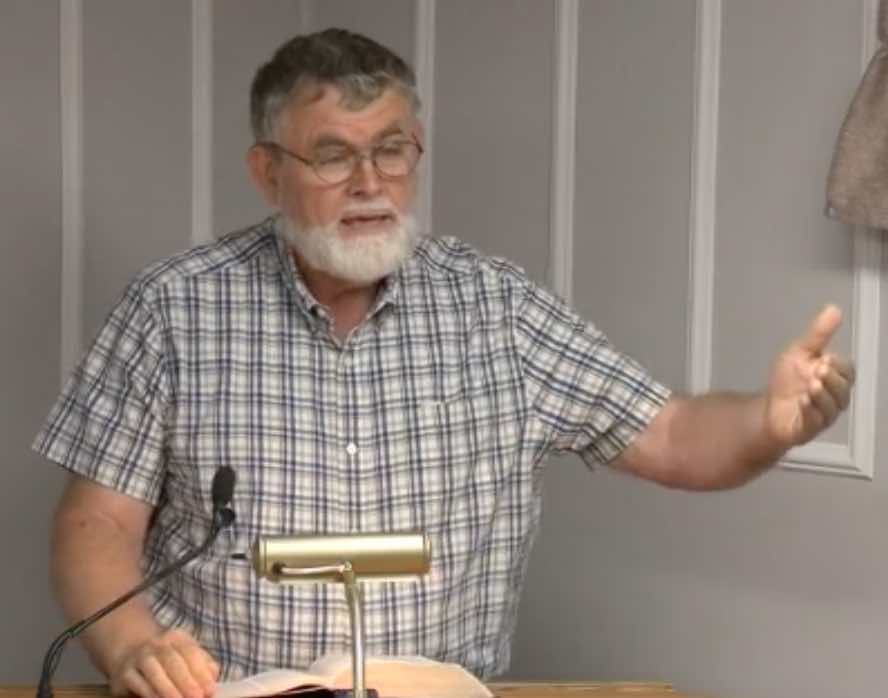
In his sermon "Inhabiting a Holy Nation," Mike McInnis explores the nature of true citizenship in relation to God's kingdom versus earthly nations. He argues that while some see the United States as a Christian nation, the reality reflects a diverse set of beliefs among its founders and citizens, with a significant number holding humanistic or deistic views, as exemplified by Thomas Jefferson. Scripture is cited extensively, particularly 1 Peter 2:9, which describes believers as a "chosen generation" and "a holy nation." McInnis stresses that God's true kingdom cannot be equated with any earthly nation, emphasizing the Reformed belief in the unconditional election of believers and the importance of their spiritual identity over national identity. The practical significance of this teaching calls Christians to recognize their primary allegiance to God's kingdom, transcending cultural and societal affiliations that often dilute their witness.
“There is no such thing spoken of in the Scriptures as a Christian nation.”
“All earthly nations rise and fall at the behest of Him who removeth kings and setteth up kings.”
“They are a royal priesthood... made free men, not subject to any law except the law of the Spirit of life in Christ Jesus.”
“God's people have different desires and a different way of thinking than the world does.”
The Bible describes the people of God as a holy nation, set apart for His glory and purpose.
1 Peter 2:9
Scripture clearly teaches that God is sovereign over all nations and events in history.
Romans 13:1, John 18:36
Unconditional election assures that God sovereignly chooses individuals for salvation, highlighting His grace.
Ephesians 1:4-5
Being a royal priesthood signifies that believers have direct access to God and serve His purposes.
1 Peter 2:9
Auto-generated transcript • May contain errors

Comments
Your comment has been submitted and is awaiting moderation. Once approved, it will appear on this page.
Be the first to comment!