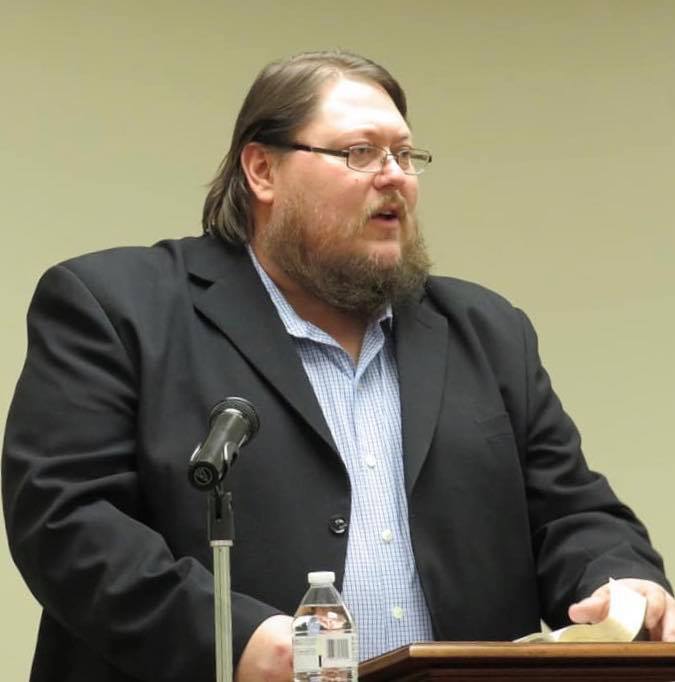
In Mikal Smith's sermon titled "Contend for the Faith," the main theological topic addressed is the call to defend and uphold the Christian doctrine, particularly as outlined in the book of Jude. Smith emphasizes the significance of the church as the "pillar and ground of truth," affirming that the doctrines delivered once to the saints must be earnestly contended for against false teachings and immoral practices that seek to infiltrate the church (Jude 3-4). He references several Scriptures, including Jude 1:1-4, Acts 6:1-7, and Romans 1:5, affirming the responsibilities of the church community to uphold and transmit these doctrines. The practical significance of this exhortation lies in the need for believers to remain anchored in sound teaching and collective accountability, ensuring that the church does not stray from its divinely appointed mission, thus fostering genuine Christian growth and witness.
“The church is the custodian of the kingdom of God. We are the ones who keep the gospel.”
“Earnestly contend for the faith which was once delivered unto the saints.”
“Our fellowship with one another is in the faith.”
“If we do not contend for the faith, then we will follow after the mark of the beast.”
The Bible exhorts believers to earnestly contend for the faith, which refers to the body of doctrine delivered to the saints.
Jude 1:3-4, Ephesians 4:13, Philippians 1:27
The doctrine of election is evidenced in Scripture, highlighting God's sovereign choice before the foundation of the world.
Ephesians 1:4-5, Romans 9:10-16
Holding to sound doctrine is crucial for maintaining the integrity of the faith and ensuring biblical truth is upheld.
Ephesians 4:14, Jude 1:3, 1 Timothy 4:16
Auto-generated transcript • May contain errors

Comments
Your comment has been submitted and is awaiting moderation. Once approved, it will appear on this page.
Be the first to comment!