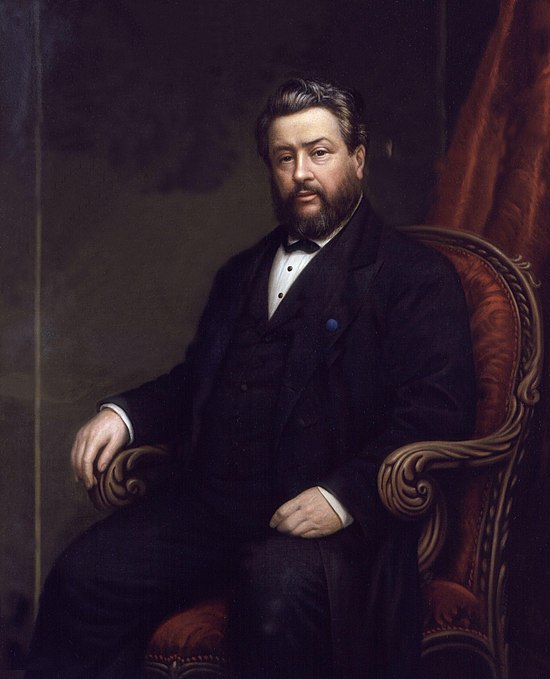
C. H. Spurgeon's sermon titled "Prayer - Guaranteed to Succeed!" centers on the efficacy of prayer, emphasizing its divine promise rooted in the authority of Christ as articulated in Luke 11:9-10. Spurgeon argues that all humans possess an innate tendency to seek divine assistance in distress, illustrating this with examples of skeptics turning to prayer in desperation. He affirms the necessity and effectiveness of prayer as established by Jesus who assures believers that asking, seeking, and knocking will result in answers and divine blessings, highlighting the importance of faith, persistence, and sincerity in prayer. He concludes that prayer is not trivial; rather, it is a divinely instituted means to receive grace and support from God, reinforcing the significance of reliance on Christ’s promises amidst human doubts.
Key Quotes
“God has given to all the animals he created some special form of strength. ... And yet man was king over everything because the Lord was his strength.”
“If prayer yields no results, then it is an exercise for idiots and madmen and not for sane persons.”
“Our Lord presents us with a promise. Note that the promise is given to several types of prayer.”
“Everyone that asks receives, and he that seeks finds, and to him that knocks the door will be opened, everyone.”
The Bible assures us that prayer is effective because Jesus promised, 'Ask and it will be given to you' (Luke 11:9).
The Bible speaks powerfully about the effectiveness of prayer, particularly through the words of Jesus in Luke 11:9-10, where He states, 'I say to you, ask and it will be given to you; seek and you will find; knock, and the door will be opened to you.' This promise is rooted in the authority of Christ Himself, who assures that those who ask will indeed receive. The premise of prayer's effectiveness lies not just in the act of asking, but in the nature of God as a loving Father who delights in responding to the needs of His children.
Luke 11:9-10
We know that prayer is heard since Jesus affirmed it, stating that everyone who asks receives (Luke 11:10).
We can be confident that our prayers are heard because they are addressed to God, who is omniscient and sovereign over all creation. In Luke 11:9-10, Jesus promises that everyone who asks will receive, indicating not just the expectation of being heard, but also of receiving answers to those prayers. Christ, having experienced the power of prayer Himself, reassures us of its significance; He did not shy away from prayer, but engaged with God regularly, validating the act as not only impactful but essential for the believer's life.
Luke 11:10
Prayer is important for Christians because it is a means to communicate with God and express dependence on Him.
For Christians, prayer is fundamentally important as it serves as a direct line of communication with God. It allows for acknowledgment of our dependence on Him and serves as a means through which we express our needs, gratitude, and adoration. Prayer not only acts as a way to make our requests known—'Ask and it will be given'—but it deepens our relationship with God, fostering a reliance on His promises and power. Jesus emphasized this in Luke 11:9-10, showing that engaging in prayer is a testament to our faith in God's active involvement in our lives.
Luke 11:9-10
God's sovereignty does not negate the efficacy of prayer; it aligns prayer with His divine purposes.
While God's sovereignty affirms that He has predetermined events and outcomes, it does not render prayer ineffective. Instead, prayer functions within the harmonious framework of God's sovereign will. The Scriptures teach us that God invites our petitions, assuring us that our prayers can influence the unfolding of His plans. Jesus, in affirming the purpose behind our prayers, presented a framework of divine interaction in which our requests play a role in God's ordained purposes. Thus, our prayers become means through which God accomplishes His sovereign ends.
Luke 11:9-10, Ephesians 1:11
Jesus mentions three types of prayer: asking, seeking, and knocking (Luke 11:9-10).
In Luke 11:9-10, Jesus outlines three forms of prayer: asking, seeking, and knocking. Each represents a different level of engagement and urgency in prayer. Asking refers to straightforward requests made to God. Seeking implies a more earnest pursuit of God’s will and understanding. Knocking signifies an urgent, forceful approach, indicating persistence in prayer. Each type has a promise of response, emphasizing that no matter the manner of approaching God, the sincere prayer of a believer will be met with divine attention and action.
Luke 11:9-10

Comments
Your comment has been submitted and is awaiting moderation. Once approved, it will appear on this page.
Be the first to comment!