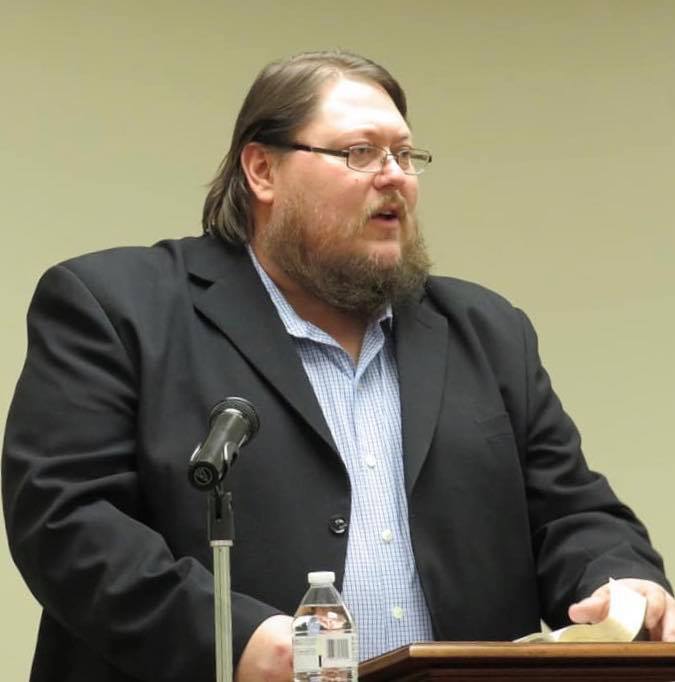
The sermon "Overcoming Grace 1" by Mikal Smith explores the Reformed doctrine of irresistible grace, also known as overcoming grace. Smith articulates that this doctrine emphasizes God's sovereign choice in electing individuals for salvation, which leads to a transformative work in their hearts, enabling them to willingly turn towards God. He supports his argument by highlighting Psalm 65:4 and Psalm 110:3, which illustrate the necessity of God's initiative in drawing people to Himself. Moreover, he contrasts common evangelical understandings of grace being merely an opportunity for individuals to choose God, asserting instead that true grace is an active, indispensable force that instills spiritual willingness in the elect. This doctrine is pivotal for the understanding of conversion and assurance of salvation within the Reformed tradition, reinforcing the belief that human efforts alone are insufficient for spiritual awakening without God's prior intervention.
“Blessed is the man whom thou choosest and causeth to approach unto thee.”
“Grace is more than just an offering; it is an ever-active influence upon our lives.”
“Thy people shall be willing in the day of Thy power.”
“It's God exerting force upon you. That force is His grace.”
Irresistible grace is the doctrine that those whom God has chosen will inevitably come to Him through an active exertion of His grace.
Psalm 65:4, Psalm 110:3, Ephesians 2:1-5, Ephesians 3:7
The doctrine of election is confirmed through multiple scriptural examples demonstrating that God chooses individuals for salvation according to His purpose.
Ephesians 1:4, Romans 9:11-13
Grace is essential for Christians because it is the unmerited favor of God that leads to salvation and ongoing transformation.
Ephesians 2:8-9, Romans 5:20-21
Auto-generated transcript • May contain errors

Comments
Your comment has been submitted and is awaiting moderation. Once approved, it will appear on this page.
Be the first to comment!