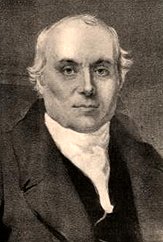
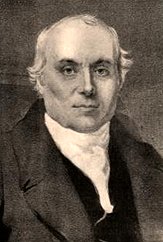
William Gadsby examines the doctrine of God's sovereign grace through Peter's denial of Christ, arguing that divine grace—rather than human merit or works—produces genuine repentance and transformation. Drawing on passages such as Jeremiah 31:18-20 and Ezekiel 16, Gadsby contrasts how humans would respond to betrayal with Christ's merciful response, demonstrating that God's grace overcomes human depravity and leads not to licentiousness but to humble, godly sorrow that produces true repentance. The sermon emphasizes that believers can attribute all spiritual good to God's matchless grace alone, which works sovereignly in the soul to soften hearts and draw sinners to deeper knowledge of both themselves and Christ.
What does the Bible say about grace?
The Bible portrays grace as God's unmerited favor towards humanity, especially in salvation.
Ephesians 2:8-9, Romans 5:20-21
How do we know God's grace is sufficient?
God's grace is sufficient as highlighted in 2 Corinthians 12:9, where God assures us that His power is made perfect in our weakness.
2 Corinthians 12:9, Romans 8:28
Why is repentance important for Christians?
Repentance is crucial as it leads to a genuine relationship with God, and it produces godly sorrow that brings us back to Him.
2 Corinthians 7:10, Ezekiel 16:63
What does the Bible teach about the grace of God in our failures?
The Bible teaches that God's grace covers our failures and enables us to experience restoration and forgiveness.
Romans 5:20, 1 John 1:9
What should you or I have done with Peter? If some one that we esteemed as a dear friend, or if a brother whom we loved, was to deny us before others, and in our presence, what should we do? We should doubtless, considering ourselves greatly insulted, order him to depart from us, or to be taken from our presence. But not so with Christ, our Friend, our Elder Brother.
The wounds which Peter made in Christ's heart brought forth grace; he looked upon him. He looked upon him with an eye of pity, and had mercy upon him, and softened his hard heart by his grace; as though he would have said, “Ah! Ah! Peter! Hast thou forgotten the very many admonitions I have given thee, the glory which I revealed to thee, and that my enemies would thus deal with me, and still canst thou deny me?”
And have you, my hearers, never denied your Lord? Have you not sometimes been ashamed of owning him in company? And have you not denied him in your heart? And are you still here? Why has he not cut you off long ago? “Ah!” Many of you can say, '' By the grace of God I am what I am.'' You once could only look at chance as the ruler of all your actions; but now you can attribute good to the grace of God, from first to last. It is greater than the depths of your depravity and awful backslidings.
Some say to the backslider, “You can make an atonement by your future good conduct.” It is always with something you must do. Ah, confess and acknowledge your vileness before God, saying,” Behold, I am vile! What shall I answer thee! I have nothing to bring before thee, and would trust in thy atoning sacrifice alone!”
And what is the effect produced? Some say the grace of God leads to licentiousness. But did it lead Ephraim to licentiousness, when he cried out, “Thou hast chastised me, and I was chastised, As a bullock unaccustomed to the yoke. Turn thou me, and I shall be turned; for thou art the Lord my God?” And God said, “Since I have spoken against him I do earnestly remember him still; therefore my bowels are troubled for him. I will surely have mercy upon him, saith the Lord.” And in Ezekiel 16, the Lord says he will not deal with the sinner “according to thy covenant; but I will deal with thee according to my covenant;” which humbles the backslider, who has committed whoredoms against the Lord; and it makes him to weep bitterly, and to sorrow with a godly sorrow, which worketh, repentance not to be repented of. Though you may want to hide your faults from the world, you cannot hide them from God.
Did the grace of God lead Peter to sin? No; but his own deceitful heart. And see how the grace of God reigned! Was it Peter's own heart that made him weep? No; but the matchless grace of God, sent into his soul by his Savior’s look. In the Garden the floodgates of hell were opened upon Christ; and I believe a sight of this was sent into Peter's soul; as though Christ, by his look said, “I bore all this for thee; and though thou hast denied me, I will not deny thee!” O this wonderful, matchless, sovereign, free grace of God!
Peter wanted to conceal himself; he went out of the palace, and wept. No doubt he would ask himself, “Where shall I go to cover my head and to vent my feelings?” But he felt that the Lord had laid his hand upon him, and he could not leave him; and, therefore, he, as it were, in deep humility, said within himself, “Hast thou, Lord, taken advantage of my guilt to make me know more of myself and thee?”

Comments
Your comment has been submitted and is awaiting moderation. Once approved, it will appear on this page.
Be the first to comment!