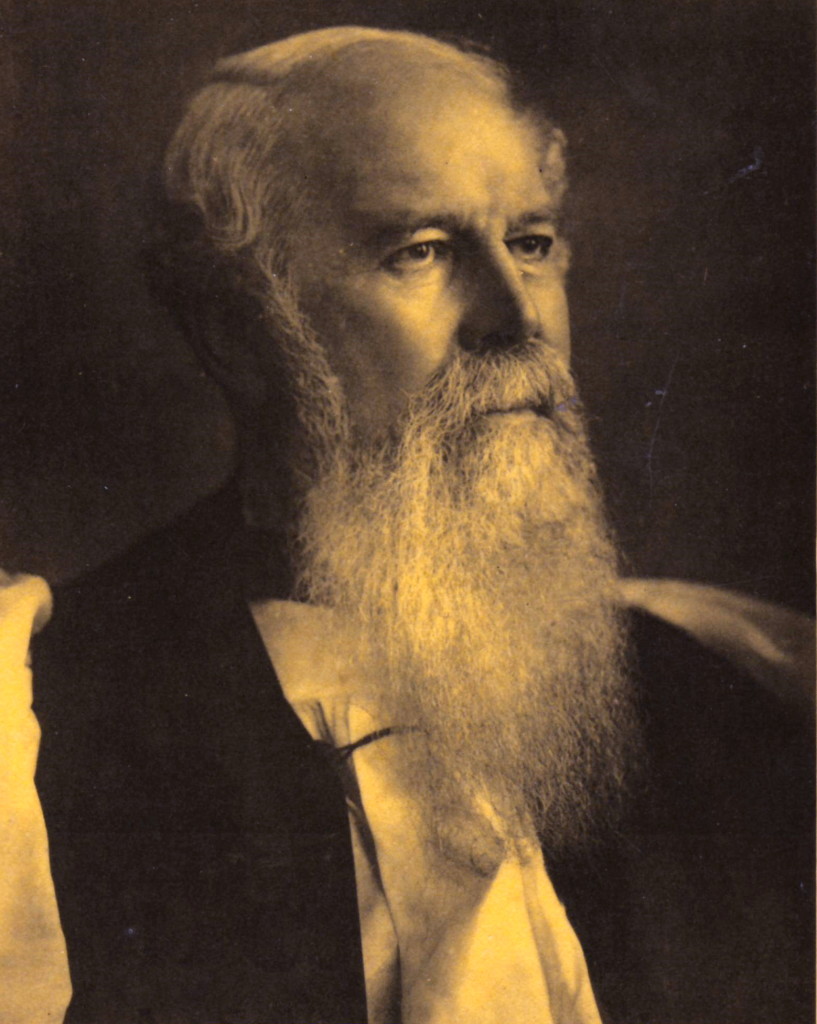
The article "Expository Thoughts on Matthew 12:14-21" by J.C. Ryle centers on the theological topics of human depravity and Christ's compassion. Ryle underscores the wickedness of the unconverted heart as illustrated by the Pharisees' conspiracy to destroy Jesus, emphasizing that their hatred towards Him stemmed not from His actions or teachings but from their innate enmity against God. He supports this by referencing Scripture, including 1 John 3:13 and the broader narrative of Scripture that speaks to the suffering of God's faithful witnesses. Additionally, Ryle highlights Christ's tender care for the weak and struggling believer through his exposition of Isaiah's prophecy concerning bruised reeds and smoking flax, suggesting that even the weakest expression of faith is precious to Christ. The practical significance of this teaching lies in the comfort it offers Christians who may feel discouraged about their faith, reinforcing the Reformed doctrine of assurance and the value of grace in all its stages.
Key Quotes
“The unconverted heart hates God and will show its hatred whenever it dares.”
“Weak as the broken reed is it shall not be broken; small as the spark of fire may be within the smoking flax it shall not be quenched.”
“May we all lay these things to heart and use them in time of needs both for ourselves and others.”
“A spark is better than utter darkness and little faith better than no faith at all.”
What does the Bible say about the wickedness of the human heart?
The Bible describes the human heart as inherently wicked, showing enmity against God and His witnesses.
1 John 3:13
How do we know that Christ is compassionate towards the weak?
Christ's character is compassionate, as exemplified by His care for the weak and feeble believers.
Job 36:5
Why is recognizing our weakness important for Christians?
Recognizing our weakness fosters reliance on Christ's strength and His grace in our lives.
Zechariah 4:10
The first thing which demands our notice in this passage, is the desperate wickedness of the human heart, which it exemplifies. Silenced and defeated by our Lord's arguments, the Pharisees plunged deeper and deeper into sin. They "went out, and conspired against him, how they might destroy him."
What evil had our Lord done, that He should be so treated? None, none at all.
No charge could be brought against His life—He was holy, harmless, undefiled, and separate from sinners—His days were spent in doing good. No charge could be brought against His teaching—He had proved it to be agreeable to Scripture and reason, and no reply had been made to His proofs. But it mattered little how perfectly He lived or taught. He was hated.
This is human nature appearing in its true colors. The unconverted heart hates God, and will show its hatred whenever it dares, and has a favorable opportunity. It will persecute God's witnesses. It will dislike all who have anything of God's mind, and are renewed after His image. Why were so many of the prophets killed? Why were the names of the apostles cast out as evil by the Jews? Why were the early martyrs slain? Why were John Huss, and Jerome of Prague, and Ridley, and Latimer burned at the stake? Not for any sins that they had sinned—not for any wickedness they had committed. They all suffered because they were godly men. And human nature, unconverted, hates godly men, because it hates God.
It must never surprise true Christians if they meet with the same treatment that the Lord Jesus met with. "Don't be surprised, my brothers, if the world hates you." (1 John 3:13.) It is not the utmost consistency, or the closest walk with God, that will exempt them from the enmity of the natural man. They need not torture their consciences by fancying that if they were only more faultless and consistent, everybody would surely love them. It is all a mistake. They should remember, that there was never but one perfect man on earth, and that He was not loved, but hated. It is not the infirmities of a believer that the world dislikes, but his goodness. It is not the remains of the old nature that call forth the world's enmity, but the exhibition of the new. Let us remember these things, and be patient. The world hated Christ, and the world will hate Christians.
The second thing which demands our notice in this passage, is the encouraging description of our Lord Jesus Christ's character, which Matthew draws from the prophet Isaiah. "He won't break a bruised reed, he won't quench a smoking flax."
What are we to understand by the bruised reed, and smoking flax? The language of the prophet no doubt is figurative. What is it that these two expressions mean? The simplest explanation seems to be, that the Holy Spirit is here describing believers whose grace is at present weak, whose repentance is feeble, and whose faith is small. Towards such people the Lord Jesus Christwill be very tender and compassionate. Weak as the broken reed is, it shall not be broken. Small as the spark of fire may be within the smoking flax, it shall not be quenched. It is a standing truth in the kingdom of grace, that weak grace, weak faith, and weak repentance, are all precious in our Lord's sight.
Mighty as He is, "He doesn't despise anyone." (Job 36:5.)
The doctrine here laid down is full of comfort and consolation. There are thousands in every church of Christ to whom it ought to speak peace and hope. There are some in every congregation, that hear the Gospel, who are ready to despair of their own salvation, because their strength seems so small. They are full of fears and despondency, because their knowledge, and faith, and hope, and love, appear so dwarfish and diminutive. Let them drink comfort out of this text. Let them know that weak faith gives a man as real and true a saving interest in Christ as strong faith, though it may not give him the same joy. There is life in an infant as truly as in a grown up man. There is fire in a spark as truly as in a burning flame. The least degree of grace is an everlasting possession. It comes down from heaven. It is precious in our Lord's eyes. It shall never be overthrown.
Does Satan make light of the beginnings of repentance towards God, and faith towards our Lord Jesus Christ? No! indeed! he does not. He has great wrath, because he sees his time is short. Do the angels of God think lightly of the first signs of penitence and feeling after God in Christ? No indeed! "there is joy" among them, when they behold the sight. Does the Lord Jesus regard no faith and repentance with interest, unless they are strong and mighty? No! indeed! As soon as that bruised reed, Saul of Tarsus, begins to cry to Him, He sends Ananias to him, saying, "Behold, he is praying." (Acts 9:11.) We err greatly if we do not encourage the very first movements of a soul towards Christ. Let the ignorant world scoff and mock, if it will. We may be sure that "bruised reeds" and "smoking flax" are very precious in our Lord's eyes.
May we all lay these things to heart, and use them in time of needs both for ourselves and others. It should be a standing maxim in our religion, that a spark is better than utter darkness, and little faith better than no faith at all. "Who despises the day of small things?" (Zechar. 4:10.) It is not despised by Christ. It ought not to be despised by Christians.

Comments
Your comment has been submitted and is awaiting moderation. Once approved, it will appear on this page.
Be the first to comment!