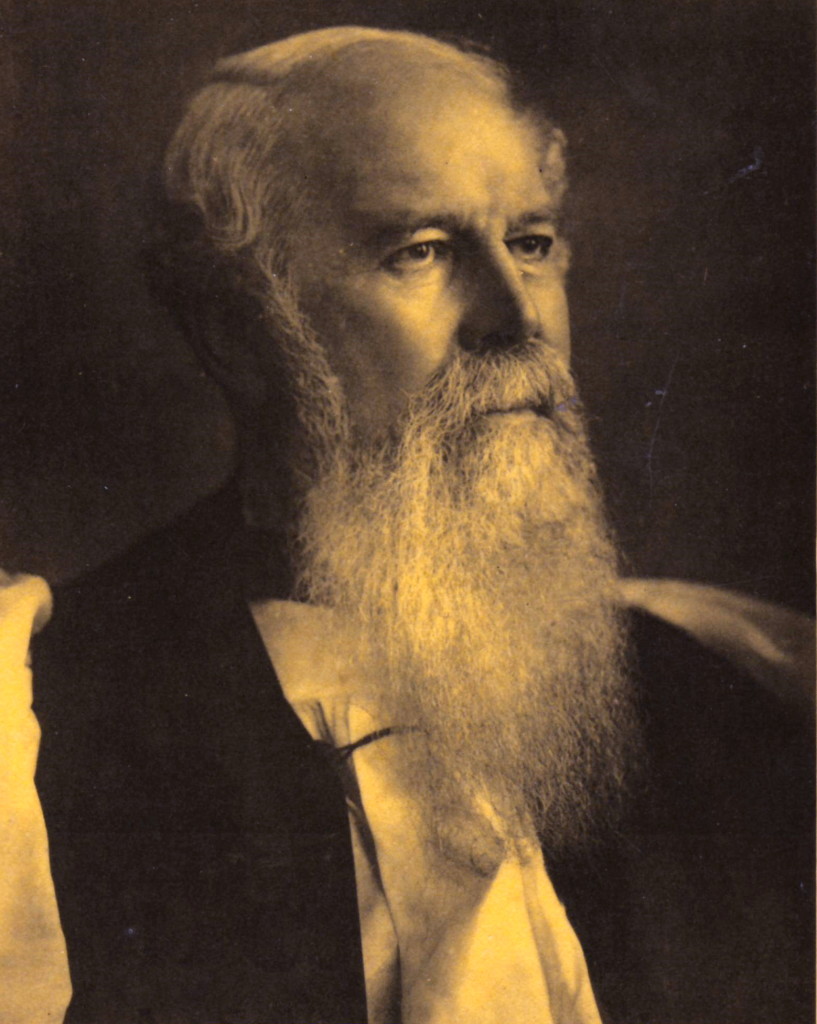
The article "Expository Thoughts on Luke 9:12-17" by J.C. Ryle focuses on the miracle of Jesus feeding the five thousand, emphasizing the doctrine of Christ's divine power and provision. Ryle argues that this miracle serves as a tangible demonstration of Christ's ability to supply not only physical needs but also spiritual ones, reflecting God's provision in the Gospel. He supports his assertions by referencing Scripture, notably Romans 4:17, which reinforces God's sovereign power, as well as Romans 1:16, illustrating that the Gospel is the power of salvation for all who believe. The theological significance lies in the understanding of Christ's omnipotence and his compassionate response to human need, both materially and spiritually, thereby urging believers to rely on Him as the source of nourishment for their souls.
Key Quotes
“Nothing in short can explain the whole transaction but the finger of God.”
“Weak and contemptible as that Gospel appears to many it contains enough and to spare for the souls of all mankind.”
“The heart of man can never be satisfied with the things of this world.”
“Happy are they who have learned this lesson and have tasted by experience that Christ crucified is the true bread of life.”
What does the Bible say about Jesus feeding the five thousand?
The miracle of Jesus feeding the five thousand illustrates His divine power and ability to supply both physical and spiritual needs.
Moreover, this event serves as a parable of the Gospel itself, portraying humanity as a lost multitude in dire need of spiritual nourishment. Jesus, ever compassionate, represents the divine mercy that reaches out to the perishing. In this, we see that Christ does not change; His ability to meet our needs persists through the ages. Therefore, believers are encouraged to look to Him for sustenance, both physically and spiritually, acknowledging that He is the true bread of life.
Luke 9:12-17, Romans 1:16
How do we know Jesus' miracles are true?
The miracles of Jesus, such as feeding the five thousand, were publicly witnessed, ensuring their authenticity and divine nature.
Additionally, these miracles serve as evidence of Jesus’ identity as the promised Messiah. Each miracle is a testament to His divine mission and the fulfillment of the prophecies, inviting faith in Him as Savior. For believers, the truth of these events is reinforced by the Holy Spirit, who testifies to the reliability of Scripture and the miraculous works of Christ, assuring them that He is indeed the Almighty capable of reaching into the chaotic human condition and providing healing and sustenance.
Luke 9:12-17, Romans 4:17
Why is Jesus feeding the five thousand important for Christians?
This miracle highlights Jesus' compassion and power, teaching Christians about reliance on God for all needs.
In this miracle, the engagement of the disciples holds a lesson for all Gospel ministers and believers about our role in sharing Christ’s provisions with others. They distributed the food, representing faithful preaching and teaching of the truths found in Christ. This act underscores that while humans may feel inadequate in addressing the needs of the world, they carry the authority given to them by Christ to offer the bread of life. Ultimately, this miracle serves as a reminder that true fulfillment comes not from earthly things, but through faith in Jesus, the source of eternal life.
Luke 9:12-17, Romans 1:16, John 6:35
JESUS FEEDS THE FIVE THOUSAND.
The miracle described in these verses is more frequently related in the Gospels than any that our Lord wrought. There is no doubt a meaning in this repetition. It is intended to draw our special attention to the things which it contains.
We see, for one thing, in these verses, a striking example of our Lord Jesus Christ's DIVINE POWER. He feeds an assembly of five thousand men with five loaves and two fish. He makes a scanty supply of food, which was barely sufficient for the daily needs of Himself and His disciples, satisfy the hunger of a company as large as a Roman legion. There could be no mistake about the reality and greatness of this miracle. It was done publicly, and before many witnesses. The same power which at the beginning made the world out of nothing, caused food to exist, which before had not existed. The circumstances of the whole event made deception impossible. Five thousand hungry men would not have agreed that they were "all filled," if they had not received real food. "Twelve baskets full of fragments" would never have been taken up, if real material loaves and fish had not been miraculously multiplied. Nothing, in short, can explain the whole transaction, but the finger of God. The same hand which sent manna from heaven in the wilderness to feed Israel, was the hand which made five loaves and two fish supply the needs of five thousand men.
The miracle before us is one among many proofs that with Christ nothing is impossible. The Savior of sinners is Almighty. He "calls those things which be not as though they were." (Rom. 4:17.) When He wills a thing, it shall be done. When He commands a thing, it shall come to pass. He can create light out of darkness, order out of disorder, strength out of weakness, joy out of sorrow, and food out of nothing at all. Forever let us bless God that it is so! We might well despair, when we see the corruption of human nature, and the desperate hardness and unbelief of man's heart, if we did not know the power of Christ. "Can these dry bones live? Can any man or woman be saved? Can any child, or friend of ours ever become a true Christian? Can we ourselves ever win our way through to heaven?"—Questions like these could never be answered, if Jesus was not Almighty. But thanks be to God, Jesus has all power in heaven and earth. He lives in heaven for us, able to save to the uttermost, and therefore we may hope.
We see, for another thing, in these verses, a striking emblem of Christ's ability to supply the spiritual needs of mankind. The whole miracle is a picture. We see in it, as in a mirror, some of the most important truths of Christianity. It is, in fact, a great acted parable of the glorious Gospel.
What is that multitude which surrounded our Lord in the wilderness; poor and helpless, and destitute of food? It is a figure of mankind. We are a company of poor sinners, in the midst of a wicked world, without strength, or power to save ourselves, and severely in danger of perishing from spiritual famine.
Who is that gracious Teacher who had compassion on this starving multitude in the wilderness, and said to His disciples, "Give them something to eat?" It is Jesus Himself, ever full of pity, ever kind, ever ready to show mercy, even to the unthankful and the evil. And He is not altered. He is just the same today as He was eighteen hundred years ago. High in heaven at the right hand of God, He looks down on the vast multitude of starving sinners, who cover the face of the earth. He still pities them, still cares for them, still feels for their helplessness and need. And He still says to His believing followers, "Behold this multitude, give them something to eat."
What is that wonderful provision which Christ miraculously made for the famishing multitude before Him? It is a figure of the Gospel. Weak and contemptible as that Gospel appears to many, it contains "enough and to spare" for the souls of all mankind. Poor and despicable as the story of a crucified Savior seems to the wise and prudent, it is the power of God unto salvation to every one that believes. (Rom. 1:16.)
What are those disciples who received the loaves and fish from Christ's hand, and carried them to the multitude, until all were filled? They are a figure of all faithful preachers and teachers of the Gospel. Their word is simple, and yet deeply important. They are appointed to set before men the provision that Christ has made for their souls. Of their own invention they are not commissioned to give anything. All that they convey to men, must be from Christ's hands. So long as they faithfully discharge this office, they may confidently expect their Master's blessing. Many, no doubt, will always refuse to eat of the food that Christ has provided. But if ministers offer the bread of life to men faithfully, the blood of those who are lost will not be required at their hands.
What are we doing ourselves? Have we discovered that this world is a wilderness, and that our souls must be fed with bread from heaven, or die eternally? Happy are they who have learned this lesson, and have tasted by experience, that Christ crucified is the true bread of life! The heart of man can never be satisfied with the things of this world. It is always empty, and hungry, and thirsty, and dissatisfied, until it comes to Christ. It is only they who hear Christ's voice, and follow Him, and feed on Him by faith, who are "filled."

Comments
Your comment has been submitted and is awaiting moderation. Once approved, it will appear on this page.
Be the first to comment!