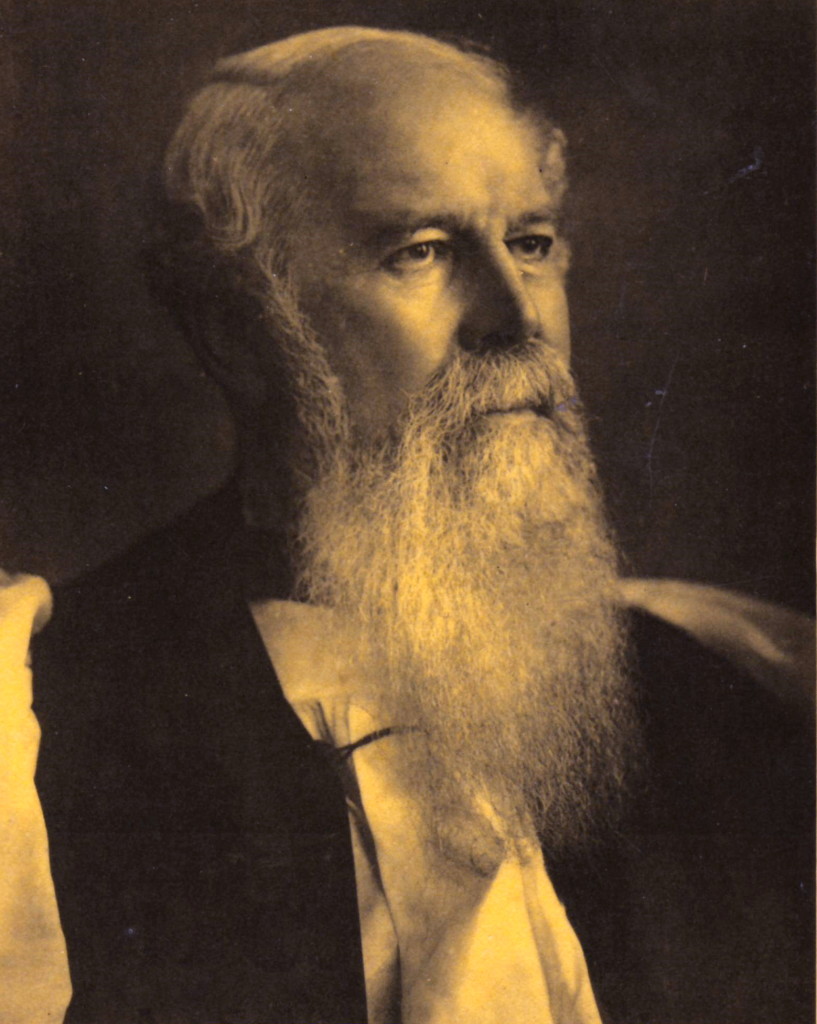
The article by J.C. Ryle focuses on the significance and teachings of the Lord's Prayer found in Luke 11:1-4. Ryle emphasizes the prayer's dual delivery by Jesus, suggesting its paramount importance in instructing believers on how to pray. He outlines the prayer's three divisions: addressing God as our reconciled Father, the petitions for daily needs (bread and forgiveness), and the request for deliverance from temptation and evil. Ryle supports his points with Scripture references such as Matthew 6:9-13 and James 1:13, highlighting the theological truths of God’s nature, our dependence on Him, and the reality of sin in our lives. The practical significance of the Lord's Prayer lies in its role as a comprehensive model for Christian prayer, guiding believers in their communication with God.
Key Quotes
“The substance of the Lord's Prayer is a mine of spiritual treasure.”
“Blessed indeed are those Christians who have learned that God's name is far more honorable than that of any earthly potentate.”
“Daily bread and daily mercy are by far the first and principal things that mortal man needs.”
“Let us strive to make the Lord's Prayer our model and pattern in all our approaches to God.”
What does the Bible say about the Lord's Prayer?
The Lord's Prayer, given by Jesus, emphasizes our relationship with God as our Father and outlines key petitions for daily needs, forgiveness, and deliverance from evil.
Moreover, the prayer addresses our daily needs by asking for bread and forgiveness, underscoring humanity's constant reliance on divine provision and mercy. This dual request highlights our physical and spiritual needs, reminding us that we are called to forgive others just as we seek forgiveness for our transgressions. Finally, the prayer concludes with pleas for protection from temptation and deliverance from evil, acknowledging the reality of sin and suffering in our lives. In essence, the Lord's Prayer serves as a model for all prayers, emphasizing dependence on God's grace and guidance.
Luke 11:1-4, John 12:28, James 1:13, 1 John 5:19, John 17:15
How do we know the importance of prayer in Christianity?
Prayer is essential in Christianity as it embodies our communication with God and aligns our desires with His will.
Furthermore, the Lord's Prayer serves as a framework for our own prayers, ensuring that we remain focused on God's glory and His plans for us, rather than merely presenting a list of requests. By praying for God's name to be honored, His kingdom to come, and His will to be done, we align ourselves with His purposes. Additionally, prayer allows us to confess our sins and seek forgiveness, reinforcing the transformative power of grace in the believer's life. Thus, prayer is foundational for spiritual growth and resilience against temptation and evil, affirming our continual need for God's strength and guidance.
Luke 11:1-4, John 17:15
Why is forgiveness important in the Lord's Prayer?
Forgiveness is crucial in the Lord's Prayer as it reflects our need for God's mercy and our obligation to extend that mercy to others.
Importantly, the Lord's Prayer teaches us that receiving forgiveness from God should always be accompanied by our willingness to forgive others. This connection between divine forgiveness and interpersonal forgiveness emphasizes that a genuine faith must be expressed through actions that reflect God's love and mercy towards others. By forgiving those who have wronged us, we emulate the grace that we ourselves have received, thus fostering unity and healing within the Christian community. Therefore, forgiveness is not only vital for our relationship with God but also essential for maintaining the health of our relationships with others.
Luke 11:4
JESUS' TEACHING ON PRAYER.
These verses contain the prayer commonly called the Lord's Prayer. Few passages of Scripture perhaps are so well known as this. The most benighted Roman Catholic can tell us that there is a prayer called "Pater Noster." The most ignorant English child has heard something about "Our Father."
The importance of the Lord's Prayer appears in the simple fact, that our Lord Jesus Christ delivered it twice with very slight variations. He who never spoke a word without good reason, has thought fit to teach us this prayer upon two distinct occasions. Twice the Lord God wrote the ten commandments on tables of stone. (Deut. 9:10; 10:4.) Twice the Lord Jesus delivered the Lord's Prayer.
The occasion of the Lord's Prayer being delivered a second time, in the verses before us, is full of interest. It appears that "one of the disciples" said, "Lord, teach us to pray." The answer to that request was the well-known prayer which we are now considering. Who this "disciple" was we do not know.
What he did will be remembered as long as the world stands. Happy are those who partake of his feelings, and often cry, "Lord, teach me to pray."
The substance of the Lord's Prayer is a mine of spiritual treasure. To expound it fully in a work like this, is manifestly impossible. The prayer, on which volumes have been written, does not admit of being handled properly in a few pages. For the present it must suffice us to notice its leading divisions, and to mark the leading trains of thought which it should suggest to us for private meditation.
The first division of the Lord's Prayer respects the God whom we worship. We are taught to approach Him as our Father in heaven—our Father no doubt as our Creator, but specially as our Father reconciled to us in Christ Jesus—our Father whose dwelling is "in heaven," and whom no temple on earth can contain. We then make mention of three great things—our Father's name, our Father's kingdom, and our Father's will.
We are taught to pray that the name of God may be sanctified—"Hallowed be your name." In using these words, we do not mean that God's NAME admits of degrees of holiness, or that any prayers of ours can make it more holy than it is. But we declare our hearty desire that God's character, and attributes, and perfection, may be more known, and honored, and glorified by all His intelligent creatures. In fact, it is the very petition which the Lord Jesus Himself puts up on another occasion, "Father, glorify your name." (John 12:28.)
We are next taught to pray that God's KINGDOM may come—"Your kingdom come." In so saying, we declare our desire that the usurped power of Satan may speedily be cast down—that all mankind may acknowledge God as their lawful King, and that the kingdoms of this world may become in fact, as they are in promise, the kingdoms of our God and of His Christ. The final setting up of this kingdom has been long predicted, even from the day of Adam's fall. The whole creation groans in expectation of it. The last prayer in the Bible points to it. The canon of Scripture almost closes with the words, "Come Lord Jesus." (Rev. 11:15; Gen. 3:15; Rom. 8:22; Rev. 22:20.)
We are taught, thirdly, to pray that God's WILL may be done—"Your will be done on earth as it is in heaven." In so saying, we express our longing desire that the number of God's converted and obedient people on earth may greatly increase, that His enemies, who hate His laws, may be diminished and brought low, and that the time may speedily arrive when all men shall do their willing service to God on earth, even as all the angels do in heaven. (Hab. 2:14; Heb. 8:11.)
Such is the first division of the Lord's Prayer. Its marvelous fullness and deep importance cannot be overrated. Blessed indeed are those Christians who have learned that God's name is far more honorable than that of any earthly potentate; God's kingdom the only kingdom that shall stand forever—and God's law the rule to which all laws ought to be conformed! The more these things are understood and believed in a land, the happier that land will be.
The days when all acknowledge these things will be the "days of heaven upon earth ."
The second division of the Lord's Prayer respects our own daily needs. We are taught to make mention of two things which we need every day. These two things are, one of them temporal, and the other spiritual. One of them is "bread." The other is "forgiveness of sins."
We are taught to ask for BREAD—"Give us this day our daily bread." Under this word "bread," no doubt, is included everything which our bodies can require. We acknowledge our entire dependence upon God for life, and breath, and all things. We ask Him to take charge of us, and provide for us in all that concerns this world. It is the prayer of Solomon under another form, "Feed me with food convenient for me." (Prov. 30:8.)
We are taught to ask, in the next place, for FORGIVENESS—"Forgive us our sins, for we also forgive everyone that is indebted to us." In so saying, we confess that we are fallen, guilty, and corrupt creatures, and in many things offend daily. We make no excuse for ourselves. We plead nothing in our own behalf. We simply ask for the free, full, gracious mercy of our Father in Christ Jesus. And we accompany the petition by the only profession which the whole Lord's Prayer contains. We profess that we "forgive every one that is indebted to us."
The combined simplicity and richness of the second division of the Lord's Prayer can never be sufficiently admired. How soon the words are spoken! And yet how much the words take in! Daily bread and daily mercy are by far the first and principal things that mortal man needs. He is the rich man who possesses them. He is the wise man who is not ashamed to pray for them every day. The child of God, no doubt, is fully justified before God, and all things are working for his good. But it is the life of true faith to apply daily for fresh supplies for all our needs. Though the promises are all ours, our Father likes His children to remind Him of them. Though washed, we need daily to wash our feet. (John 13:10.)
The third division of the Lord's Prayer respects our daily dangers. We are taught to make mention of two things which we ought to fear every day, and which we must expect to meet with as long as we are in this world. One of these things is "temptation." The other is "evil."
We are taught to pray against TEMPTATION—"Lead us not into temptation." We do not mean by this expression that God is the author of evil, or that He tempts man to sin. (James 1:13.) But we entreat Him who orders all things in heaven and earth, and without whom nothing can happen, so to order the course of our lives that we may not be tempted above what we can bear. We confess our weakness and readiness to fall. We entreat our Father to preserve us from trials, or else to make a way for us to escape. We ask that our feet may be kept, and that we may not bring discredit on our profession and misery on our souls.
We are taught, lastly, to pray against EVIL—"Deliver us from evil." We include under the word evil, everything that can hurt us, either in body or soul, and especially every weapon of that great author of evil, the devil. We confess that ever since the fall, the world "lies in the wicked one." (1 John 5:19.) We confess that evil is in us, and about us, and near us, and on every side, and that we have no power to deliver ourselves from it. We apply to the strong for strength. We cast ourselves on Him for protection. In short, we ask what our Savior Himself asked for us, when He said, "I pray not that you should take them out of the world, but that you should keep them from the evil one." (John 17:15.)
Such is the last division of the Lord's Prayer. In real importance it is not a whit inferior to the two other divisions, which we have already considered. It leaves man precisely in the position which he ought to occupy. It puts in his mouth the language of humility. The most dangerous state in which we can be, is not to know and feel our spiritual danger.
And now let us use the Lord's Prayer for the trial of our own state before God. Its words have probably passed over our lips thousands of times. But have we really felt it? Do we really desire its petitions to be granted? Is God really our Father? Are we born again, and made His children by faith in Christ? Do we care much for His name and will? Do we really wish the kingdom of God to come? Do we feel our need of daily temporal mercies, and of daily pardon of sin? Do we fear falling into temptation? Do we dread evil above all things? These are serious questions. They deserve serious consideration.
Let us strive to make the Lord's Prayer our model and pattern in all our approaches to God. Let it suggest to us the sort of things which we should pray for and pray against. Let it teach us the relative place and proportion which we should give to each subject in our prayers. The more we ponder and examine the Lord's Prayer, the more instructive and suggestive shall we find it to be.

Comments
Your comment has been submitted and is awaiting moderation. Once approved, it will appear on this page.
Be the first to comment!