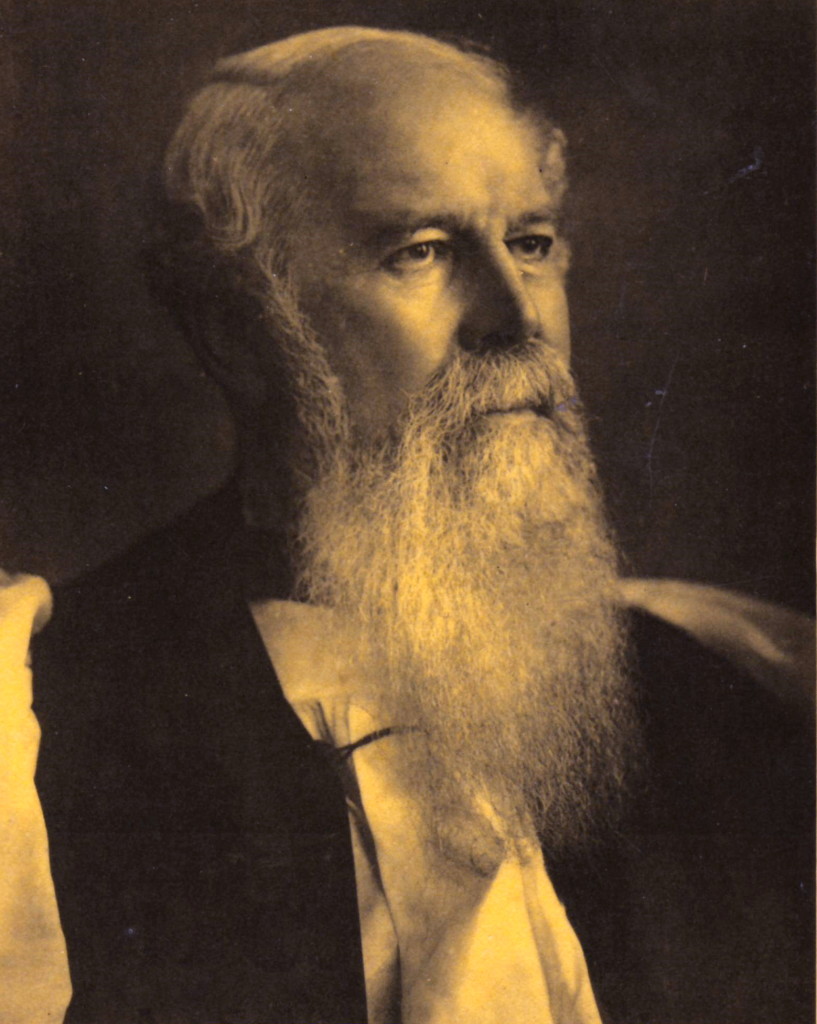
J.C. Ryle’s exposition on Luke 23:44-49 extensively focuses on the significance of Christ’s death and the accompanying miraculous signs. Ryle argues that the darkness at midday and the tearing of the temple curtain serve as divine confirmations of the momentous event of Christ's crucifixion, compelling both the faithful and the unbelieving to acknowledge its significance, echoing the signs at Sinai. He references Scripture passages, such as John 10:17-18, to illustrate the voluntary nature of Christ's death, portraying it not merely as an act of dying but as a conscious surrender of His spirit to the Father, exemplifying the model for how Christians should embrace death. The implications of the text extend to the power of conscience, as seen in the centurion’s declaration and the people's remorse, revealing the innate recognition of guilt and the need for redemption, which reinforces the importance of conscience in the believer's life.
Key Quotes
“There was a darkness over all the earth for three hours... It was fit and right that the attention of all around Jerusalem should be arrested in a marked way.”
“Like our Master we should not be afraid to confront the king of terrors... We should await his approaches with calmness and patience.”
“Great indeed is the power of conscience... It can strike terror into the minds of monarchs on their thrones.”
“He that desires inward peace must beware of quarreling with his conscience... reckon it his friend.”
What does the Bible say about the significance of Christ's death?
Christ's death was marked by miraculous signs, such as darkness and the tearing of the temple curtain, highlighting its importance as the ultimate sacrifice for sin.
Luke 23:44-49, Hebrews 12:26, Isaiah 24:23
How do we know that Christ's death was voluntary?
Christ's own words indicate that He laid down His life on His own accord, demonstrating His authority over death.
John 10:17-18
Why is the tearing of the temple curtain important?
The tearing of the temple curtain symbolizes the removal of barriers between God and humanity through Christ's atoning work.
Luke 23:44-49
JESUS' DEATH.
Let us observe in these verses, the miraculous SIGNS which accompanied our Lord's death on the cross. We are told that there was "a darkness over all the earth" for three hours. "The sun was darkened and the curtain of the temple was torn in two."
It was fit and right that the attention of all around Jerusalem should be arrested in a marked way, when the great sacrifice for sin was being offered, and the Son of God was dying. There were signs and wonders wrought in the sight of all Israel, when the law was given on Sinai. There were signs and wonders in like manner when the atoning blood of Christ was shed on Calvary. There was a sign for an unbelieving world. The darkness at mid-day was a miracle which would compel men to think. There was a sign for the professing Church and the ministers of the temple. The tearing of the curtain which hung between the holy place and the holy of holies, was a miracle which would strike awe into the heart of every priest and Levite in Jewry.
Signs like these, on special occasions, let us remember, are a part of God's ways in dealing with man. He knows the desperate stupidity and unbelief of human nature. He sees it necessary to arouse our attention by miraculous works, when He brings in a new dispensation. He thus compels men to open their eyes whether they will or not, and to hear His voice for a little season. He has done so frequently in the days that are past. He did so when He gave the law. He did so in the passage before us when He brought in the Gospel. He will do so once more when Christ comes again the second time. He will show a sneering, unbelieving world that He can suspend the laws of nature at His pleasure, and alter the framework of creation as easily as He called the earth into being. He will yet fulfill His words, "Yet once more, I will shake not the earth only, but also the heavens." "The moon shall be confounded, and the sun ashamed, when the Lord of hosts shall reign in mount Zion." (Heb. 12:26; Isaiah 24:23.)
Let us observe, secondly, in these verses, the remarkable WORDS which our Lord spoke when He died. We read that "When he had cried with a loud voice, he said, Father, into your hands I commend my spirit—and having said thus, he gave up the spirit."
There is a depth of meaning, no doubt, in these words which we have no line to fathom. There was something mysterious about our Lord's death, which made it unlike the death of any mere man. He who spoke the words before us, we must carefully remember, was God as well as man. His divine and human nature were inseparably united. His divine nature of course could not die. He says Himself; "I lay down my life, that I might take it again. No man takes it from me, but I lay it down of myself. I have power to lay it down, and I have power to take it again." (John 10:17, 18.) Christ died, not as we die when our hour is come—not because He was compelled and could not help dying—but voluntarily, and of His own free will.
There is a sense, however, in which our Lord's words supply a lesson to all true Christians. They show us the manner in which death should be met by allGod's children. They afford an example which every believer should strive to follow. Like our Master, we should not be afraid to confront the king of terrors. We should regard him as a vanquished enemy, whose sting has been taken away by Christ's death. We should think of him as a foe who can hurt the body for a little season, but after that has no more that he can do. We should await his approaches with calmness and patience, and believe that when flesh fails our soul will be in good keeping. This was the mind of dying Stephen; "Lord Jesus," he said, "receive my spirit." This was the mind of Paul the aged, when the time of his departure was at hand. He says, "I know whom I have believed, and am persuaded that He is able to keep that which I have committed to him against that day." (Acts 7:59; 2 Tim. 1:12.) Happy indeed are those who have a last end like this!
Let us observe, lastly, in these verses, the power of conscience in the case of the centurion and the people who saw Christ die. We are told that the centurion "praised God, saying, Certainly this was a righteous man." We are told that the people who had come together to the sight, "smote their breasts and went away."
We know not exactly the nature of the feelings here described. We know not the extent to which they went, or the after-fruit which they brought forth. One thing, at all events, is clear. The Roman officer felt convinced that he had been superintending an unrighteous action, and crucifying an innocent person. The gazing crowd were pierced to the heart by a sense of having aided, countenanced, and abetted a grievous wrong. Both Jew and Gentile left Calvary that evening heavy-hearted, self-condemned, and ill at ease.
Great indeed is the power of conscience! Mighty is the influence which it is able to exercise on the hearts of men! It can strike terror into the minds of monarchs on their thrones. It can make multitudes tremble and shake before a few bold friends of truth, like a flock of sheep. Blind and mistaken as conscience often is, unable to convert man or lead him to Christ, it is still a most blessed part of man's constitution, and the best friend in the congregation that the preacher of the Gospel has. No wonder that Paul says, "By manifestation of the truth we commend ourselves to every man's conscience." (2 Cor. 4:2.)
He that desires inward peace must beware of quarreling with his conscience. Let him rather use it well, guard it jealously, hear what it has to say, and reckon it his friend. Above all, let him pray daily that his conscience may be enlightened by the Holy Spirit, and cleansed by the blood of Christ. The words of John are very significant—"If our heart condemns us not, then have we confidence toward God." (1 John 3:21.) That man is doing well who can say, "I exercise myself to have a conscience void of offence toward God and toward man." (Acts 24:16.)

Comments
Your comment has been submitted and is awaiting moderation. Once approved, it will appear on this page.
Be the first to comment!