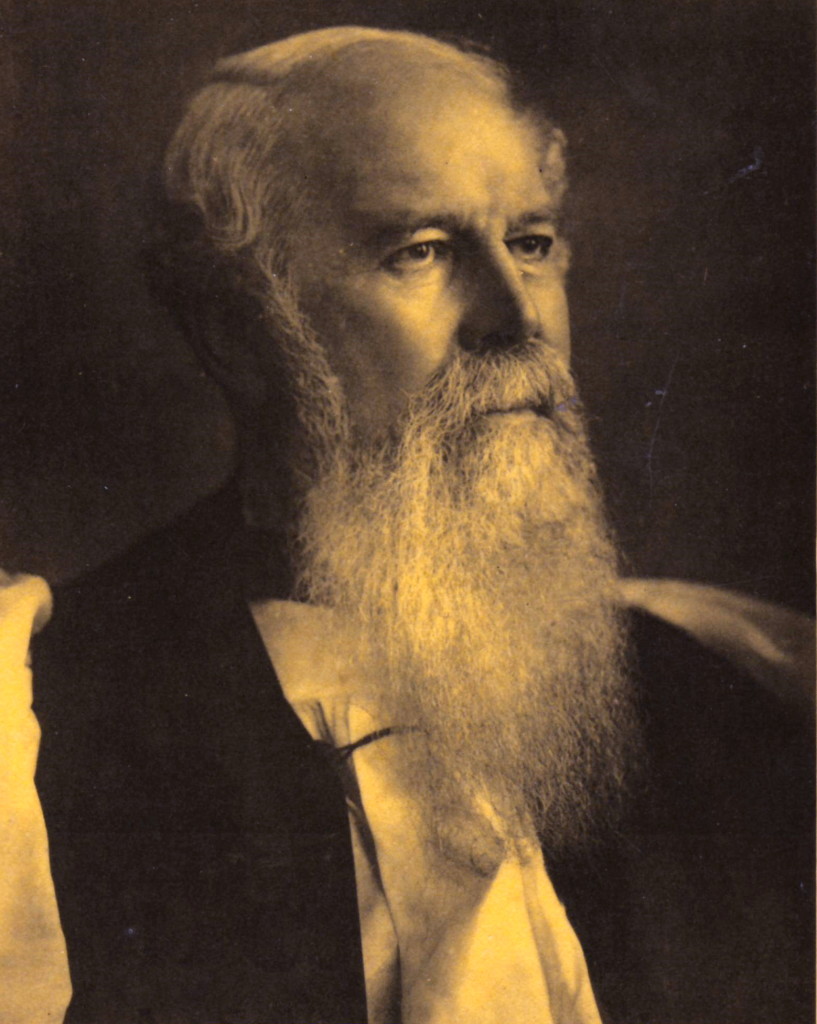
J.C. Ryle’s exploration of John 7:1-13 addresses the themes of unbelief, human nature, and the necessity of divine grace in effecting faith. Ryle emphasizes that witnessing Christ's miracles and teachings does not inherently produce belief, illustrating this with the example of Christ’s own brethren who rejected Him despite their close proximity to His ministry. He references John 6:44 to underscore the significance of the Father’s drawing in bringing individuals to Christ. Ryle highlights that hostility towards Christ arises from the moral implications of His message rather than abstract theological concepts. Ultimately, he encourages believers to find comfort in Christ’s understanding of their solitude and to maintain faith despite the world’s opposition, affirming the ongoing division created by the Gospel.
Key Quotes
“All is useless without the effectual and applying work of God the Holy Spirit.”
“The world cannot hate you; but me it hates, because I testify of it that the works thereof are evil.”
“Such is the corruption of human nature that Christ is the cause of division among men wherever He is preached.”
“Let us never be ashamed to be of that little number who believe on Him, hear His voice, follow Him, and confess Him before men.”
What does the Bible say about man's unbelief in Christ?
The Bible illustrates that even those closest to Christ can exhibit unbelief, showing humanity's need for divine grace.
John 6:44
How do we know the doctrine of grace is true?
The truth of grace is evidenced through the teachings of Christ and the Scriptures that highlight our need for divine intervention for salvation.
Ephesians 2:8-9
Why is it important for Christians to understand Christ's rejection?
Understanding Christ's rejection is crucial as it helps Christians navigate their own experiences of isolation and persecution for their faith.
Hebrews 2:18
What causes division among people regarding Christ?
Divisions arise due to differing perceptions of Christ and the moral implications of His teachings for individual lives.
Matthew 10:34
The Feast of Tabernacles.
The chapter we now begin is divided from the preceding one by a wide interval of time. The many miracles which our Lord wrought, while He "walked in Galilee," are passed over by John in comparative silence. The events which he was specially inspired to record are those which took place in or near Jerusalem.
We should observe in this passage the desperate hardness and unbelief of human nature. We are told that even our Lord's "brethren did not believe in Him." Holy and harmless and blameless as He was in life, some of his nearest relatives, according to the flesh, did not receive Him as the Messiah. It was bad enough that His own people, "the Jews sought to kill Him." But it was even worse that "His brethren did not believe."
That great Scriptural doctrine, man's need of preventing and converting grace, stands out here, as if written with a sunbeam. It becomes all who question that doctrine to look at this passage and consider. Let them observe that seeing Christ's miracles, hearing Christ's teaching, living in Christ's own company, were not enough to make men believers. The mere possession of spiritual privileges never yet made any one a Christian. All is useless without the effectual and applying work of God the Holy Spirit. No wonder that our Lord said in another place, "No man can come to me, except the Father who has sent me draw him." (John 6:44.)
The true servants of Christ in every age will do well to remember this. They are often surprised and troubled to find that in religion they stand alone. They are apt to fancy that it must be their own fault that all around them are not converted like themselves. They are ready to blame themselves because their families remain worldly and unbelieving. But let them look at the verse before us. In our Lord Jesus Christ there was no fault either in temper, word, or deed. Yet even Christ's own "brethren did not believe in Him."
Our blessed Master has truly learned by experience how to sympathize with all his people who stand alone. This is a thought "full of sweet, pleasant, and unspeakable comfort." He knows the heart of every isolated believer, and can be touched with the feeling of his trials. He has drunk this bitter cup. He has passed through this fire. Let all who are fainting and cast down, because brothers and sisters despise their religion, turn to Christ for comfort, and pour out their hearts before Him. He "has suffered Himself being tempted" in this way, and He can help as well as feel. (Heb. 2:18.)
We should observe, for another thing, in this passage, one principal reason why many hate Christ. We are told that our Lord said to His unbelieving brethren, "The world cannot hate you; but me it hates, because I testify of it, that the works thereof are evil."
These words reveal one of those secret principles which influence men in their treatment of Christ. They help to explain that deadly enmity with which many during our Lord's earthly ministry regarded Him and His Gospel. It was not so much the high doctrines which He preached, as the high standard of practice which He proclaimed, which gave offence. It was not even His claim to be received the Messiah which men disliked so much, as His witness against the wickedness of their lives. In short, they could have tolerated His opinions if He would only have spared their sins.
The principle, we may be sure, is one of universal application. It is at work now just as much as it was eighteen hundred years ago. The real cause of many people's dislike to the Gospel is the holiness of living which it demands. Teach abstract doctrines only, and few will find any fault. Denounce the fashionable sins of the day, and call on men to repent and walk consistently with God, and thousands at once will be offended. The true reason why many profess to be infidels, and abuse Christianity, is the witness that Christianity bears against their own bad lives. Like Ahab, they hate it, "because it does not prophesy good concerning them, but evil." (1 Kings 22:8.)
We should observe, lastly, in this passage, the strange variety of opinions about Christ, which were current from the beginning. We are told that "there was much murmuring among the people concerning him—for some said, He is a good man others said, No, but he deceives the people." The words which old Simeon had spoken thirty years before were here accomplished in a striking manner. He had said to our Lord's mother, "This child is set for the fall and rising again of many in Israel—and for a sign which shall be spoken against— that the thoughts of many hearts may be revealed." (Luke 2:34, 35.) In the diversities of opinion about our Lord which arose among the Jews, we see the good old man's saying fulfilled.
In the face of such a passage as this, the endless differences and divisions about religion, which we see on all sides, in the present day, ought never to surprise us. The open hatred of some toward Christ—the carping, faultfinding, prejudiced spirit of others—the bold confession of the few faithful ones—the timid, man-fearing temperament of the many faithless ones—the unceasing war of words and strife of tongues with which the Churches of Christ are so sadly familiar—are only modern symptoms of an old disease. Such is the corruption of human nature, that Christ is the cause of division among men, wherever He is preached. So long as the world stands, some, when they hear of Him, will love, and some will hate—some will believe, and some will believe not. That deep, prophetical saying of His will be continually verified—"Do not think that I am come to send peace on earth; I came not to send peace, but a sword." (Matt. 10:34.)
What do we think of Christ ourselves? This is the one question with which we have to do. Let us never be ashamed to be of that little number who believe on Him, hear His voice, follow Him, and confess Him before men. While others waste their time in vain jangling and unprofitable controversy, let us take up the cross and give all diligence to make our calling and election sure. The children of this world may hate us, as it hated our Master, because our religion is a standing witness against them. But the last day will show that we chose wisely, lost nothing, and gained a crown of glory that fades not away.

Comments
Your comment has been submitted and is awaiting moderation. Once approved, it will appear on this page.
Be the first to comment!