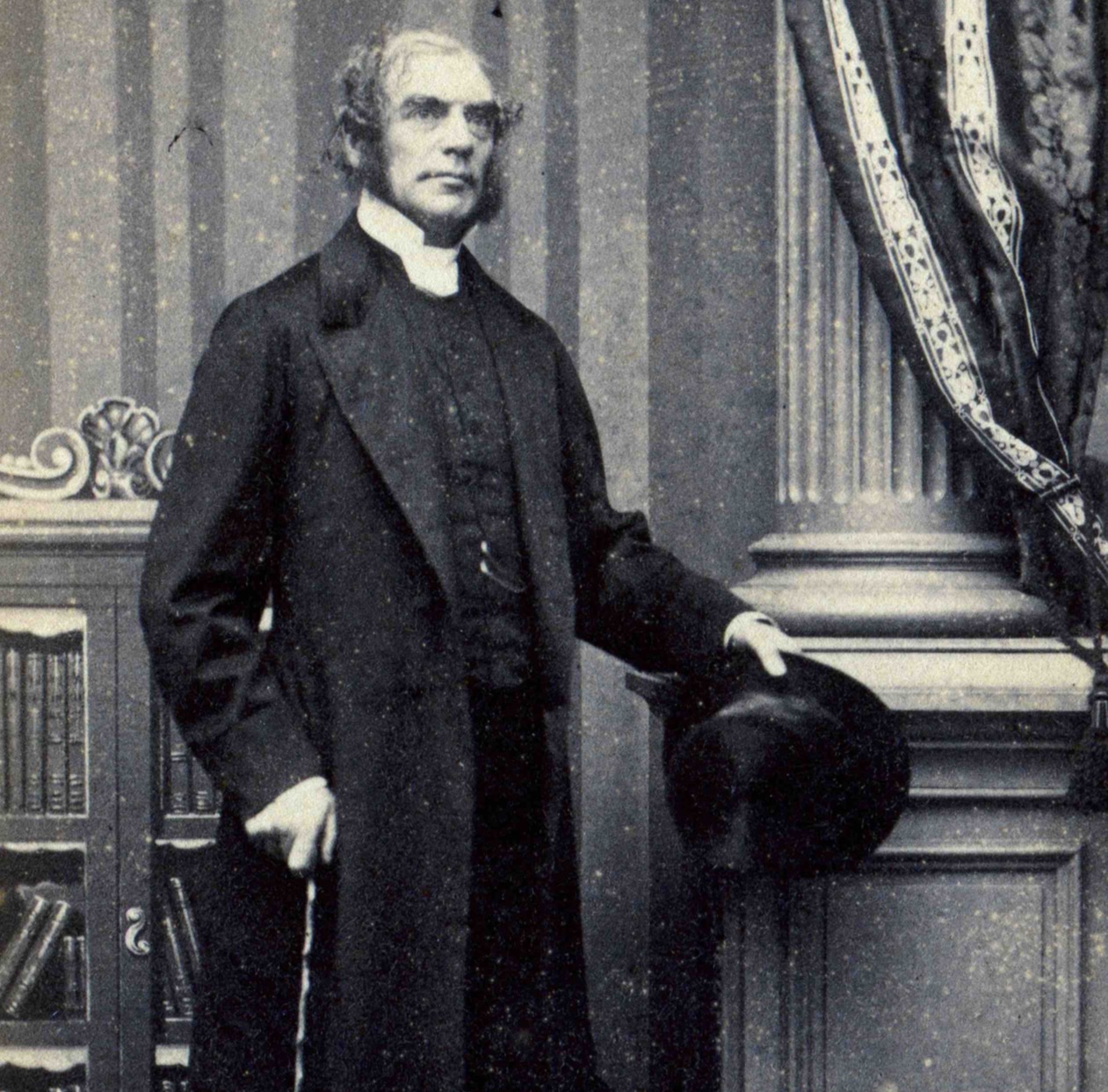
What does the Bible say about the work of the Holy Spirit?
The Bible teaches that the Holy Spirit glorifies Christ by revealing His atoning work and leading sinners to faith in Him.
Furthermore, it's vital to distinguish between the works of the Spirit and Christ. The Spirit does not atone for sin; rather, He reveals the already-accomplished atonement of Christ. The weight of a believer's acceptance and justification rests squarely on Jesus' perfect obedience and sacrificial death. The Spirit's role is to lead the awakened and penitent soul to this truth, guiding them to accept the grace that has been freely given in Christ’s work. When believers rely on the Spirit’s work over Christ’s atonement, it dishonors Christ and distracts from the power of the cross, which should always be the focal point of a believer’s faith.
John 16:14
How do we know that the atonement of Christ is sufficient for salvation?
The sufficiency of Christ's atonement is affirmed in Scripture, where His perfect sacrifice meets the demands of divine justice.
Moreover, Jesus asserts in John 14:6 that He is the way, the truth, and the life, indicating that access to the Father is only through Him. This underscores the belief that His atoning sacrifice is sufficient to satisfy divine justice, providing not only forgiveness of sins but also the righteousness needed for acceptance with God. The work of the Spirit complements this by bringing the sinner to recognize and embrace this complete work of Christ, ensuring that the glory remains with Jesus and not the Spirit’s inward work. Ultimately, the assurance of salvation lies in the perfect obedience and sacrifice of Christ alone, allowing sinners to rest securely in His finished work.
Romans 3:23-26, John 14:6
Why is trusting in Christ's work important for Christians?
Trusting in Christ's work is crucial as it secures our acceptance with God and grounds our faith in His righteousness rather than our own.
Furthermore, when believers place their trust in Christ’s work, they find a solid foundation for their assurance and peace. This trust helps to eliminate the burden of self-reliance, allowing the believer to rest in the sufficiency and completeness of Christ's sacrifice. The Spirit's role is not to substitute for Christ but to direct our gaze to Him, diligently leading us to meditate on His finished work. Anything less risks converting the Holy Spirit's illuminating work into an atoning work of its own, which is both misleading and dishonoring to Christ. Hence, affirming and resting in the merits of Christ's sacrifice is essential for sustaining true faith and the believer's ongoing relationship with God.
Romans 3:28
“He shall glorify me.”
— John 16:14
One essential and important office of the Spirit is to glorify Christ. And how does He most glorify Christ, but by exalting His atoning work, giving to it the preeminence, the importance, and the glory it demands; leading the sinner, whom He has first convinced of sin, to accept of Jesus as a willing, an all-sufficient Savior; to cast away all trust in self, all reliance upon a covenant of works, which is but a covenant of death, and thus going entirely outside of himself, to take up his rest in the blood and righteousness of Immanuel, the God-man Mediator. Oh, what sweet, holy delight must it be to the Spirit of God when a poor sinner, in all his conscious nothingness, is led to build upon Jesus, the "tried stone, the precious corner-stone, the sure foundation!" Let the reader, then, imagine how grieving it must be to the Spirit, when there is any resting in His work in the soul, either for acceptance, or for comfort, or for peace, or for strength, or even for evidence of a state of grace, and not solely and entirely in the atoning work which Jesus has wrought out for the redemption of sinners. The work of the Spirit and the work of Christ, though they form parts of one glorious whole, are yet distinct, and to be distinguished in the economy, of grace and in the salvation of a sinner. It is the work of Jesus alone, His perfect obedience to the broken law of God, and His sacrificial death as a satisfaction to divine justice, that forms the ground of a sinner's acceptance with God- the source of his pardon, justification, and peace. The work of the Spirit is not to atone, but to reveal the atonement; not to obey, but to make known the obedience; not to pardon and justify, but to bring the convinced, awakened, penitent soul to receive the pardon, and embrace the justification already provided in the work of Jesus. Now, if there is any substitution of the Spirit's work for Christ's work- any undue, unauthorized leaning upon the work within, instead of the work outside of the believer, there is a dishonor done to Christ, and a consequent grieving of the Holy Spirit of God. It cannot be pleasing to the Spirit to find Himself a substitute for Christ; and yet this is the sin which so many are constantly falling into. If I look to convictions of sin within me, to any motion of the indwelling Spirit, to any part of His work, as the legitimate source of healing, of comfort, or of evidence, I turn my back upon Christ, I remove my eye from the cross, and slight His great atoning work; I make a Christ of the Spirit! I make a Savior of the Holy Spirit! I convert His work into an atoning work, and draw the evidence and the consolation of my pardon and acceptance from what He has done, and not from what Jesus has done! Oh, is not this, again we ask, dishonoring to Christ, and grieving to the Holy Spirit of God? Do not think that we undervalue the Spirit's work- great and precious is it. Viewed as a Quickener- as an Indweller- as a Sanctifier- as a Sealer- as a Witness- as a Comforter- as the Author of prayer- His person cannot be too ardently loved, nor can His work be too highly prized; but the love we bear Him, and the honor we give Him, must not be at the expense of the honor and glory and love due to the Lord Jesus Christ, whom it is His office and His delight to glorify. The crown of redemption must be placed upon the head of Jesus; He alone is worthy to wear it- He alone has a right to wear it. "You have redeemed us by Your blood," is the song they sing in glory; and "You shall wear the crown," should be the song echoed back from the redeemed on earth.

Comments
Your comment has been submitted and is awaiting moderation. Once approved, it will appear on this page.
Be the first to comment!