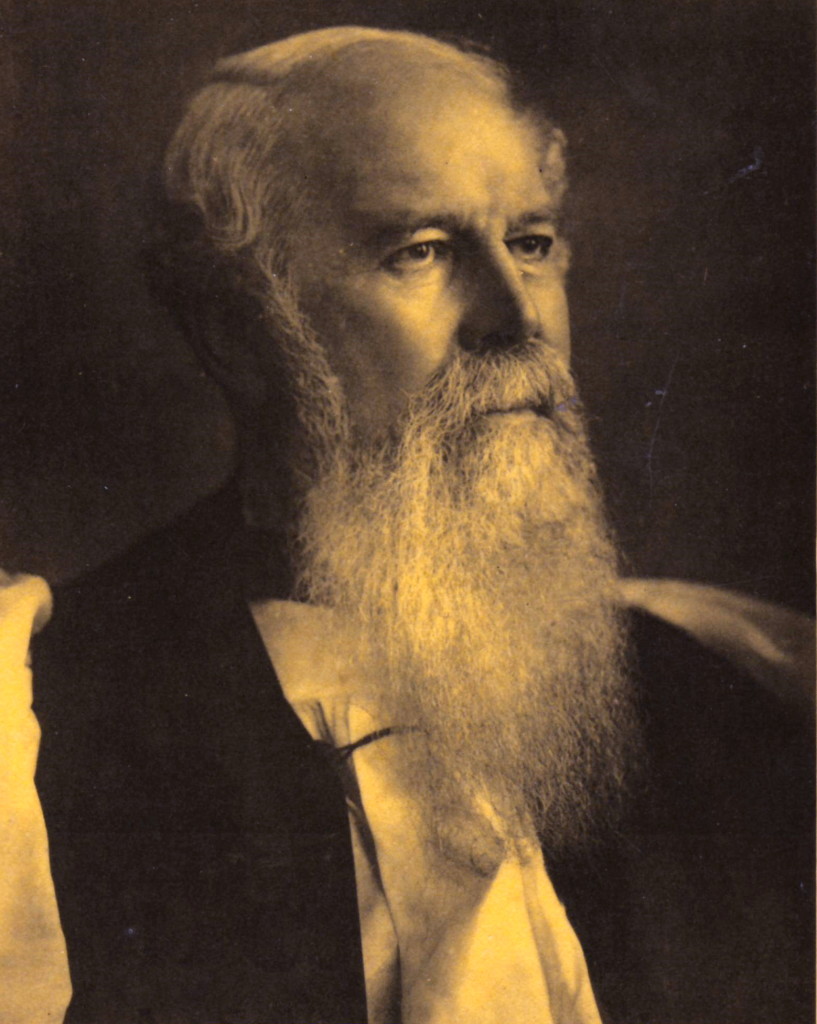
What does the Bible say about John the Baptist?
The Bible portrays John the Baptist as a great prophet, the forerunner of Christ, whose role was to prepare the way for the Lord.
Luke 7:24-30, Matthew 3:5
Why is the ministry of John the Baptist significant for Christians?
John the Baptist's ministry is significant because he prepared the way for Christ and exemplified the call to repentance and faith.
Luke 7:24-30, Matthew 3:2
How do we know that Jesus defended John the Baptist?
Jesus defended John the Baptist by publicly affirming his significance and character in the presence of the people.
Luke 7:24-30
Why do Christians have privileges greater than those of John the Baptist?
Christians enjoy greater privileges than John the Baptist because they have the complete revelation of God through Christ's life, death, and resurrection.
Luke 7:28, Hebrews 1:1-2
And when the messengers of John were departed, he began to speak unto the people concerning John, What went you out into the wilderness for to see? A reed shaken with the wind? But what went you out for to see? A man clothed in soft clothing? Behold, they which are gorgeously appareled, and live delicately, are in kings' courts. But what went you out for to see? A prophet? Yes, I say unto you, and much more than a prophet. This is he, of whom it is written, Behold, I send my messenger before your face, which shall prepare your way before you. For I say unto you, Among those that are born of women there is not a greater prophet than John the Baptist: but he who is least in the kingdom of God is greater than he. And all the people that heard him, and the publicans, justified God, being baptized with the baptism of John. But the Pharisees and lawyers rejected the counsel of God against themselves, being not baptized of him.
— Luke 7:24-30
The first point that demands our notice in this passage — is the tender care which Jesus takes of the characters of His faithful servants. He defends the reputation of John the Baptist, as soon as his messengers were departed. He saw that the people around him were apt to think lightly of John — partly because he was in prison, and partly because of the inquiry which his disciples had just brought.
He pleads the cause of His absent friend, in warm and strong language. He bids His hearers to dismiss from their minds their unworthy doubts and suspicions about this holy man. He tells them that John was no wavering and unstable character — that he was no mere reed shaken by the wind. He tells them that John was no mere courtier around king's palaces, though circumstances at the end of his ministry had brought him into connection with king Herod. He declares to them that John was "much more than a prophet" — for he was a prophet who had been the subject of prophecy himself. And he winds up his testimony by the remarkable saying, that "among those who are born of woman — there is not a greater prophet than John the Baptist!"
There is something deeply touching in these sayings of our Lord on behalf of his absent servant. The position which John now occupied as Herod's prisoner, was widely different from that which he occupied at the beginning of his ministry. At one time he was the best-known and most popular preacher of his day. There was a time when "Jerusalem and all Judea and all the region about the Jordan were going out to him — and were being baptized in Jordan." (Matthew 3:5.)
Now he was an obscure prisoner in Herod's prison — deserted, friendless, and with nothing before him but death. But the lack of man's favor — is no proof that God is displeased. John the Baptist had one Friend who never failed him and never forsook him — a Friend whose kindness did not ebb and flow like John's popularity, but was always the same. That Friend was our Lord Jesus Christ.
There is comfort here for all believers who are defamed, slandered, and falsely accused. Few are the children of God, who do not suffer in this way, at one time or other. The accuser of the brethren knows well that character is one of the points in which he can most easily wound a Christian. He knows well that slanders are easily called into existence — greedily received and propagated — and seldom entirely silenced. Lies and false reports are the chosen weapons by which he labors to injure the Christian's usefulness, and destroy his peace.
But let all who are assaulted in their characters, rest in the thought that they have an Advocate in Heaven who knows all their sorrows. That same Jesus who maintained the character of His imprisoned servant before a Jewish crowd — will never desert any of His people. The world may frown on them. Their names may be cast out as evil by man. But Jesus never changes. He will one day plead their cause before the whole world.
The second point which demands our attention in these verses is — the vast superiority of the privileges enjoyed by believers under the New Testament, compared to those of believers under the Old Testament. This is a lesson which appears to be taught by one expression used by our Lord respecting John the Baptist. After commending his graces and gifts — He adds these remarkable words, "He who is least in the kingdom of God, is greater than John."
Our Lord's meaning in using this expression appears to be simply this. He declares that the spiritual light of the least disciple who lived after His crucifixion and resurrection — would be far greater than that of John Baptist, who died before those mighty events took place. The weakest believing hearer of Paul, would understand things, by the light of Christ's death on the cross — which John the Baptist could never have explained. Great as that holy man was in faith and courage — the humblest Christian would, in one sense, be greater than he. Greater in grace and works — he certainly could not be. But beyond doubt, he would be greater in privileges and knowledge.
Such an expression as this should teach all Christians to be deeply thankful for Christianity. We have probably very little idea of the wide difference between the religious knowledge of the best-instructed Old Testament believer — and the knowledge of one familiar with the New Testament. We little know how many blessed truths of the Gospel were at one time seen through a glass darkly — which now appear to us plain as noon-day. Our very familiarity with the Gospel, makes us blind to the extent of our privileges. We can hardly realize at this time how many glorious truths of our faith were brought out in their full proportions — by Christ's death on the cross, and were never unveiled and understood until His blood was shed.
The hopes of John the Baptist and Paul were undoubtedly one and the same. Both were led by one Spirit. Both knew their sinfulness. Both trusted in the Lamb of God. But we cannot suppose that John the Baptist could have given as full an account of the way of salvation, as Paul. Both looked at the same object of faith. But one saw it afar off — and could only describe it generally. The other saw it close at hand — and could describe the reason of his hope particularly. Let us learn to be more thankful. The child who knows the story of the cross — possesses a key to religious knowledge which patriarchs and prophets never enjoyed!
The last point which demands our attention in these verses — is the solemn declaration which it makes about man's power to injure his own soul. We read that "The Pharisees and Scribes rejected the counsel of God against themselves." The meaning of these words appears to be simply this — that they rejected God's offer of salvation. They refused to avail themselves of the door of repentance which was offered to them by John the Baptist's preaching. In short, they fulfilled to the very letter the words of Solomon, "You have rejected all my counsel, and would have none of my reproof." (Proverbs 1:25.)
That every man possesses a power to ruin himself forever in Hell — is a great foundation truth of Scripture, and a truth which ought to be continually before our minds. Impotent and weak as we all are for everything which is good — we are all naturally potent for that which is evil. By continued impenitence and unbelief, by persevering in the love and practice of sin, by pride, self-will, laziness, and determined love of the world — we may bring upon ourselves everlasting destruction! And if this takes place, we shall find that we have no one to blame but ourselves.
God has "no pleasure in the death of the wicked." Christ is "willing to gather" men to His bosom, if they will only be gathered. (Matthew 23:37.) The fault will lie at man's own door. Those who are lost — will find that they have "lost their own souls." (Mark 8:36.)
What are we doing ourselves? This is the chief question that the passage should suggest to our minds. Are we likely to be lost — or saved? Are we in the narrow path to Heaven — or the broad way Hell? Have we received that Gospel which we hear into our hearts? Do we really live by that Bible which we profess to believe? Or are we daily traveling towards the bottomless pit — and ruining our own souls? It is a painful thought that the Pharisees are not the only people who "reject the counsel of God." There are thousands of people called Christians — who are continually doing the very same thing.

Comments
Your comment has been submitted and is awaiting moderation. Once approved, it will appear on this page.
Be the first to comment!