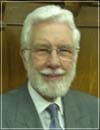
The sermon by Stephen Hyde focuses on the theological doctrine of divine guidance as illustrated in Proverbs 3:5-6. Hyde emphasizes the three key conditions for receiving God's direction: trusting in the Lord with all one’s heart, refraining from relying on one’s own understanding, and acknowledging God in all ways. He supports his claims by referencing Scriptures such as Psalm 37:5 and Jeremiah 10:23, which highlight the necessity of relying on God's wisdom rather than human insight. The practical significance of this teaching lies in cultivating a faith-filled relationship with God that recognizes earthly concerns as temporary, ultimately steering believers toward eternal hope and reliance on divine providence.
Key Quotes
“Trust in the Lord with all thine heart, and lean not unto thine own understanding.”
“What we must always realise is that we're on this earth only for a short time. We're passing through this earth.”
“He shall direct thy paths. That's a promise. My friends, there are many promises in the word of God.”
“Those that honor me, I will honor; and those that despise me shall be lightly esteemed.”
The Bible instructs us to trust in the Lord with all our heart and not to rely on our own understanding (Proverbs 3:5-6).
Proverbs 3:5-6 clearly lays out the essential principle for believers: 'Trust in the Lord with all thine heart; and lean not unto thine own understanding. In all thy ways acknowledge him, and he shall direct thy paths.' This call to trust does not suggest a casual reliance; it demands a heartfelt commitment that excludes any divided loyalties. It emphasizes that reliance on one’s own wisdom can lead to misguided choices, and instead, we should acknowledge God in all aspects of our lives. By fully trusting Him, we can be assured that He will guide us on the right path.
Proverbs 3:5-6
God promises to direct our paths when we trust and acknowledge Him (Proverbs 3:6).
The assurance that God will direct our paths is deeply rooted in His faithful promises. In Proverbs 3:6, we find that if we actively acknowledge Him in all our ways, He, in turn, will direct our paths. This promise of divine guidance hinges on our willingness to submit our desires and plans to God's will. It requires a trust that goes beyond mere acknowledgment, indicating a deep-seated faith in His wisdom and goodness, which promises not only guidance but also the peace that comes from knowing we are walking in His ways.
Proverbs 3:6
Trusting God is vital as it leads to divine guidance and aligns us with His will for our lives.
Trusting God is crucial for Christians as it establishes a foundation for our relationship with Him. Proverbs 3:5-6 teaches that trust must be total, impacting every aspect of our lives. This complete reliance allows God to guide our decisions, actions, and thoughts, ensuring that we are aligned with His purpose. Without trust, we risk leaning on our own limited understanding, which can lead us astray. Ultimately, trusting God opens the door to His power in our lives, allowing us to experience the fullness of His grace and direction.
Proverbs 3:5-6, Jeremiah 10:23
Leaning not on our understanding means relying fully on God's wisdom rather than our limited perspective.
To lean not on our own understanding means to acknowledge the limitations of our wisdom and insight. In Proverbs 3:5, this teaching encourages believers to forsake their self-reliance and instead seek God's counsel in all matters. Our natural tendency is to assess situations based on our experiences, but the Word warns that this can lead to error. By choosing to trust God and submit our plans to Him, we recognize that He knows all circumstances and outcomes, offering a path that leads us away from potential destruction toward His intended purpose for our lives.
Proverbs 3:5
Comments
Your comment has been submitted and is awaiting moderation. Once approved, it will appear on this page.
Be the first to comment!
