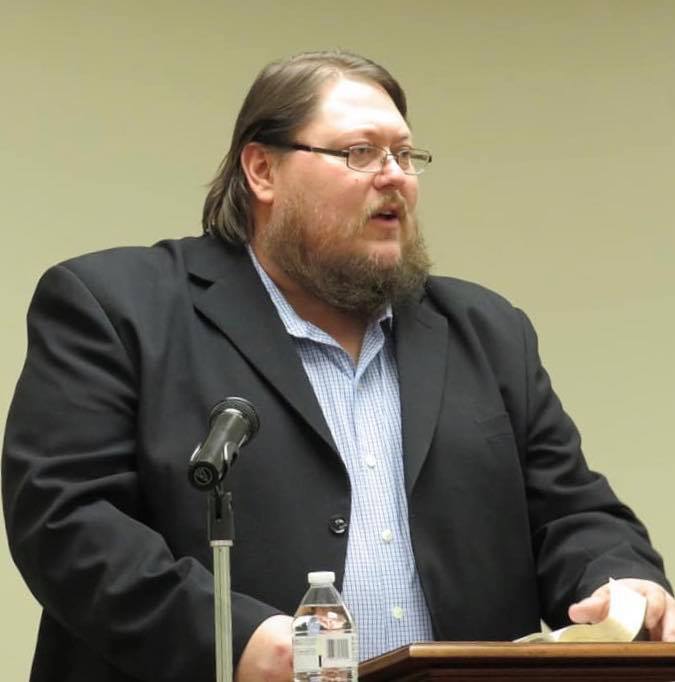
In the sermon titled "The Memorial Forever," Mikal Smith emphasizes the sovereignty of God as a central theological doctrine. He articulates that understanding God’s sovereignty is essential for grasping the true nature of God as revealed in Scripture, particularly through the name “I AM” from Exodus 3:11-15. Smith argues that God's self-existence, uncontrollability, and sovereign will are foundational truths that must be proclaimed across generations. He supports these claims with Scriptural references such as Exodus 3 and 33, Isaiah 14 and 46, and highlights the danger of misrepresenting God regarding His sovereignty and the nature of salvation. The practical significance of this doctrine is profound: it anchors believers in the truth of God's unchanging character and assures them that their salvation is entirely based on God's sovereign grace rather than human effort or decision.
Key Quotes
“Sovereignty is the issue. Do you believe that God is God or do you not?”
“I will have mercy on whom I will have mercy. Why? Because I have sovereign power to do anything that I want to do.”
“This name is what I want to be memorialized as. This is my name forever.”
“If we want to preach the glory of God, we can't divorce it from Jesus Christ.”
The Bible teaches that God is sovereign, meaning He exercises ultimate authority and has the power to do as He pleases.
Throughout Scripture, God's sovereignty is a central theme that reveals His ultimate authority over all creation. For example, in Psalm 115:3, it states, 'But our God is in the heavens; He has done whatever He has pleased.' This indicates that God is not subject to any outside influence or control; He is the self-existent One who governs all things according to His will. Additionally, in Isaiah 14:24, the Lord declares that as He has thought, so it shall come to pass, illustrating that His purposes and plans cannot be thwarted. God's sovereignty is foundational to our understanding of salvation, providence, and the nature of His relationship with humanity, as it assures us that He is in control of all events in history and the lives of His people.
Psalm 115:3, Isaiah 14:24
We know God is sovereign through Scripture, which reveals His control over all creation and events.
Scripture provides ample evidence of God's sovereignty. In Exodus 3:14, God proclaimed Himself as 'I am that I am,' indicating His self-existence and independence from all creation. This foundational truth supports the claim of His sovereignty, showing that He is the creator and sustainer of the universe. Furthermore, in Isaiah 46:10, God declares that He declares the end from the beginning and that His counsel shall stand. This reinforces the belief that He not only has the power but also the authority to execute His plans without any obstruction. The consistent testimony of the Bible affirms that God's sovereignty is not merely theoretical; it is an active force in guiding the course of history and individual lives according to His divine purpose.
Exodus 3:14, Isaiah 46:10
God's sovereignty is crucial for Christians as it affirms His control over all circumstances, offering comfort and assurance.
The doctrine of God's sovereignty is vital for Christians, as it provides the foundation for our trust and reliance on Him. Understanding that God is sovereign means that nothing happens outside of His will or knowledge. This truth brings comfort in times of trouble, uncertainty, and despair, reminding believers that God works all things for their good (Romans 8:28). Additionally, affirming God's sovereignty enhances our worship and reverence for Him, recognizing His majesty and power over everything. It allows us to approach Him in prayer with confidence, knowing that He not only hears us but has the power to effect change. Ultimately, His sovereignty assures us that our salvation is secure, as it rests on His will and purpose rather than our own efforts.
Romans 8:28
'I am' signifies God's self-existence and sovereignty as He is uncreated and does not depend on anyone or anything.
'I am' is a profound declaration of God's nature as revealed in Exodus 3:14. This name encapsulates His self-existence, indicating that He is not contingent upon anything outside Himself. It expresses that God is eternal, having no beginning or end, and affirms His sovereignty in that He is not subject to the whims or controls of creation. Additionally, it indicates that God is in complete control and does as He pleases, aligning with the understanding that He is not altered by external influences and holds authority over all. This name, which He chose to reveal to Moses, emphasizes the glory of His being, setting Him apart from all false gods and idols which are dependent on their creators and mankind.
Exodus 3:14

Comments
Your comment has been submitted and is awaiting moderation. Once approved, it will appear on this page.
Be the first to comment!