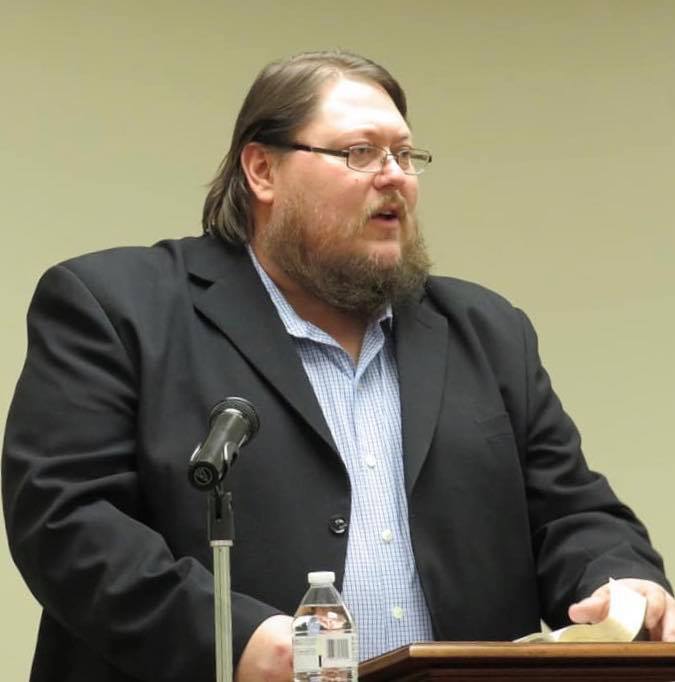
The sermon titled "The One Who Elects," preached by Mikal Smith, primarily addresses the Reformed doctrine of divine sovereignty in relation to both eternal salvation and earthly governance. The key argument emphasizes that God is the ultimate elector, choosing individuals for salvation while also determining the rise and fall of political leaders and nations. Smith supports his claim with Scripture references such as Acts 13:48, which states that "as many as were ordained to eternal life believed," demonstrating God's sovereign election in salvation, and Romans 8:28-30, affirming that all things work for good for those who are called according to His purpose. The practical significance of this doctrine is meant to provide comfort and assurance to believers amidst societal turmoil, reinforcing that God's sovereign plan unfolds according to His will, whether in salvation or politics. Therefore, Christians are encouraged to focus on their citizenship in heaven rather than being overly concerned with worldly affairs.
Key Quotes
“We have to remember that as the children of God, that this world is not our home. We have to remember that the kingdom that we are to look for is the kingdom of heaven and not for the kingdom of this world.”
“God is the one who chooses the outcome. Whether it is for our temporal life, or whether it is for our eternal life, God is the decider.”
“Election is according to God's sovereign, or election is because of God's sovereignty. God has the sovereign right to choose.”
“We may love the guy, but it wasn't us who got him there. It was God.”
The Bible teaches that God is sovereign in choosing who will be saved, as seen in passages like Acts 13:48 and Romans 8:29.
The sovereignty of God in election is a central theme in scripture, emphasizing that it is God who chooses individuals for salvation according to His divine purpose. In Acts 13:48, it is noted that many Gentiles who heard the gospel were 'ordained to eternal life' and believed, highlighting that their belief was a result of God's sovereign choice, not human decision. Romans 8:29 further illustrates this, indicating that those God foreknew, He predestined to be conformed to the image of His Son, showcasing that election is rooted in God's will and not in human merit or actions. Throughout these scriptures, the emphasis remains on God's authority as the ultimate decider in matters of salvation.
Acts 13:48, Romans 8:29
God's election for salvation is clearly demonstrated in scripture, particularly in Romans 9:11 and Ephesians 1:4-5.
The basis for believing in God's election for salvation comes from several key biblical passages. Romans 9:11 states that God's purpose in election stands, showing that it is God who decides whom He will call to salvation independent of human actions or decisions. Furthermore, Ephesians 1:4-5 emphasizes that God chose us in Christ before the foundation of the world, reinforcing that our election is not based on our actions but solely on God's initiative and will. This understanding frees believers from a reliance on their own merits and assures them of the certainty of their salvation, which is rooted in God's sovereign plan.
Romans 9:11, Ephesians 1:4-5
Sovereign grace assures Christians that their salvation is entirely an act of God, eliminating reliance on human effort.
The concept of sovereign grace is foundational to the Christian faith as it underscores the belief that salvation is a work of God alone. This assurance is vital for believers as it emphasizes that their salvation is not dependent on their own decisions or merits but is a result of God's gracious and sovereign will. Scriptures such as Romans 8:28-30 remind us that all things work together for good for those who are called according to His purpose. By understanding sovereign grace, Christians can find immense comfort and security in their relationship with God, knowing that His choice is unchangeable and His grace is sufficient for all their needs.
Romans 8:28-30
The Bible teaches that God is sovereign over all nations and their leaders, as shown in Daniel 2:21 and Psalm 33:10.
God's sovereignty extends beyond spiritual matters to include the governance of political systems. Daniel 2:21 asserts that God changes times and seasons and removes kings and sets up kings, which illustrates His ultimate authority over human rulers and governments. Additionally, Psalm 33:10 declares that the Lord brings the counsel of the nations to nothing, reinforcing the idea that no political system operates outside of God's will and purpose. Believers can take comfort in knowing that regardless of political turmoil or unrest, God is in control, orchestrating events according to His divine plan. This perspective encourages Christians to place their trust in God's sovereignty rather than the unpredictability of human governments.
Daniel 2:21, Psalm 33:10
Comments
Your comment has been submitted and is awaiting moderation. Once approved, it will appear on this page.
Be the first to comment!
