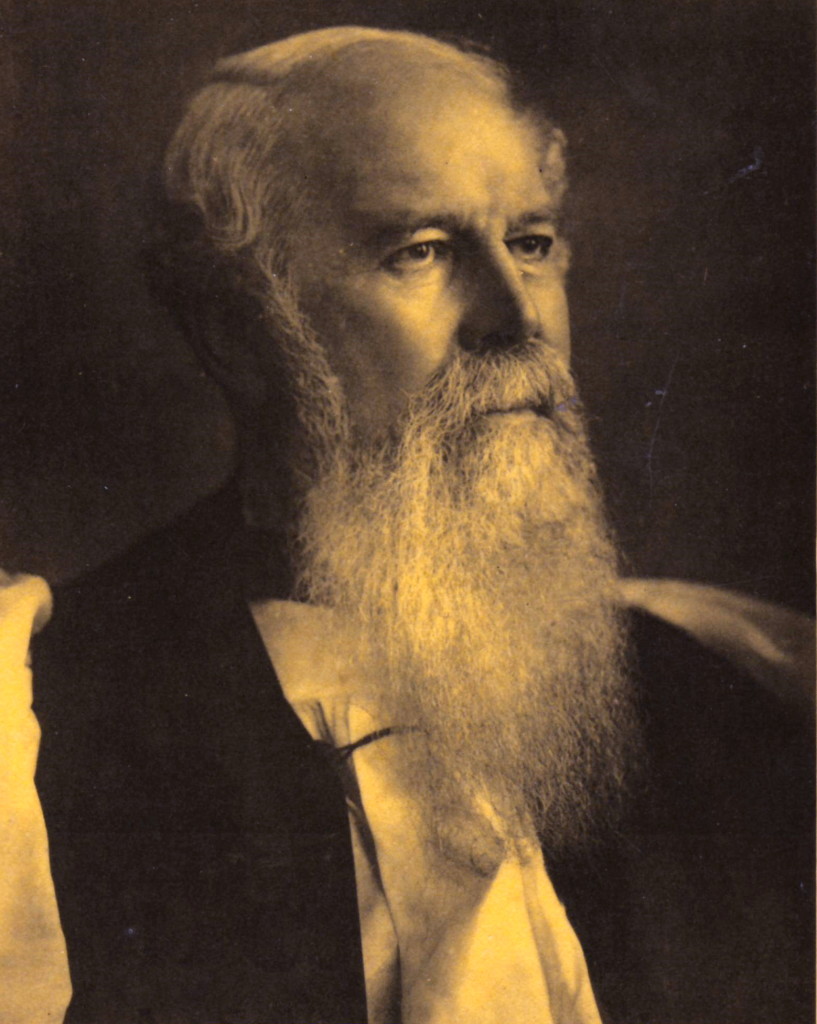
The sermon titled "One Blood" by J.C. Ryle addresses the unity of humanity as derived from a common ancestry, emphasizing the theological truth found in Acts 17:26, which states that all nations are made of one blood. Ryle argues that this fact affirms the biblical account of creation in Genesis, refuting contemporary skepticism that suggests contrary theories to human origins. He further discusses the implications of this unity, asserting that all humans share a common spiritual disease—sin—which necessitates a universal remedy: the atoning blood of Christ. The practical significance of this doctrine emphasizes the obligation of Christians to love and serve one another, transcending societal divisions, and highlights the importance of brotherly love and active compassion as evidence of true faith.
Key Quotes
“The nature, the needs, the obligation to God of all human beings on the globe are one and the same.”
“If you give up the Old Testament, you must give up the New also.”
“We all need the blood of Christ to save us from eternal death.”
“Brotherly love, charity, kindness, and sympathy are the truest proofs that we are real members of Christ.”
Acts 17:26 teaches that God made all nations from one blood, stressing the unity of humanity.
In Acts 17:26, the Apostle Paul states that God made all nations from one blood, indicating that every human being shares a common ancestry. This profound truth highlights the equality of all people, transcending social, racial, and economic divides. It counters the notion of superiority based on race or class and reinforces the idea that every person has the same origin from Adam and Eve. This unity is essential for Christians, as it establishes the foundation for brotherly love and mutual respect among all of humanity.
Acts 17:26
The doctrine of original sin is affirmed by the universal moral nature and conduct of humanity, as rooted in Genesis.
The doctrine of original sin asserts that all humanity inherits a sinful nature from Adam. This is supported by the universal moral failures observed across different cultures, confirming that the corruption of human nature is not limited to any specific group. In observing diverse societies, we find consistent moral shortcomings, indicative of the fallen state of humanity. This commonality aligns with the biblical account in Genesis, which establishes that all have fallen through Adam. Thus, the reality of original sin is observable and scripturally validated, lending authenticity to the doctrine.
Genesis 3:1-24, Romans 5:12
The blood of Christ is essential for salvation as it provides the only remedy for the guilt of sin inherited from Adam.
The blood of Christ holds paramount importance in the Christian faith as it serves as the sole cure for the spiritual disease of sin that all humanity inherits from Adam. This doctrine asserts that through Christ's sacrificial death, believers can attain redemption, forgiveness, and reconciliation with God. Unlike merely acknowledging His teaching or example, trusting in Christ's atoning blood represents the heart of the gospel message. The New Testament repeatedly emphasizes that salvation is found through the blood of Christ, underscoreing its role in justifying believers and cleansing them from sin, as seen in passages like Hebrews 9:14 and Ephesians 1:7.
Hebrews 9:14, Ephesians 1:7, 1 John 1:7
Christians should respond to social inequalities with love and practical kindness, recognizing that we are all of one blood.
Recognizing that all humanity is of one blood compels Christians to actively engage in addressing social inequalities. This understanding fosters an attitude of brotherly love which transcends economic or social class distinctions. Christians are called to act towards one another with kindness, seeking to alleviate suffering and promote justice. Believers should cultivate relationships marked by empathy and compassion, demonstrating the love of Christ in their actions. The teachings of Christ emphasize that our love for others reflects our love for God and should guide our efforts to uplift all members of society, regardless of their circumstances.
Matthew 25:41-46, 1 John 3:17
Comments
Your comment has been submitted and is awaiting moderation. Once approved, it will appear on this page.
Be the first to comment!
