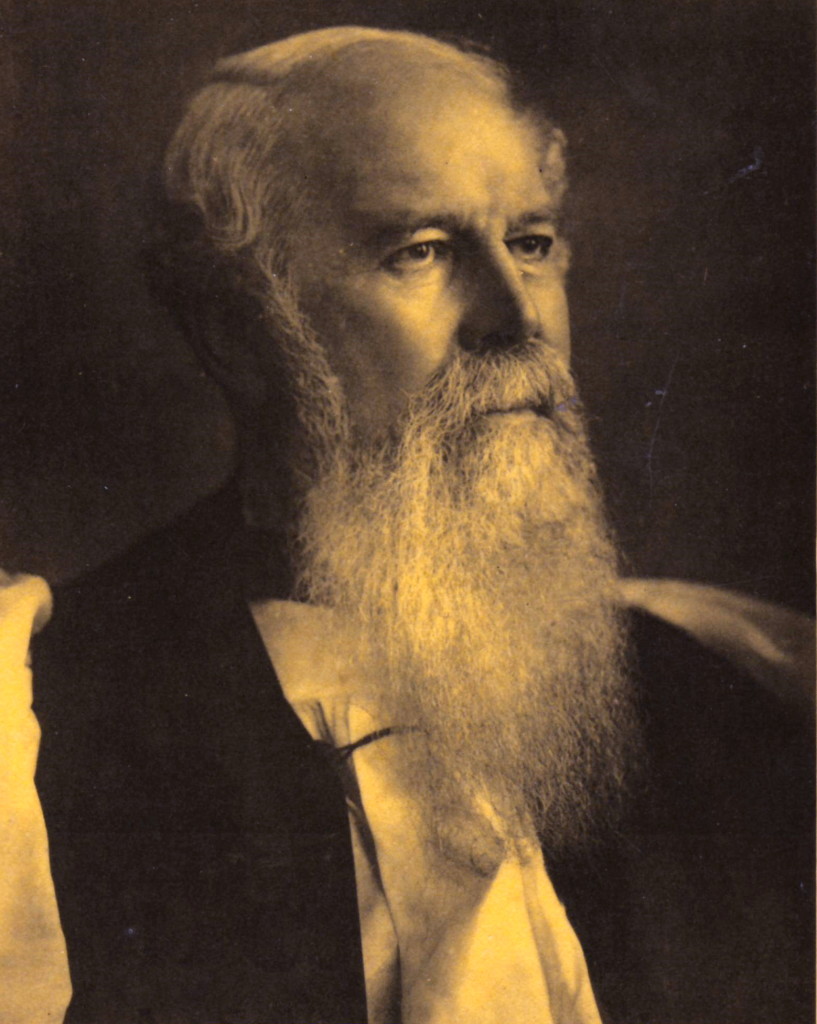
In his sermon "Prayer!", J.C. Ryle addresses the vital role of prayer in the life of a believer, arguing that it is the most important aspect of Christianity and necessary for salvation. Ryle presents seven reasons underscoring the necessity of prayer, emphasizing that while other spiritual practices (like reading the Bible or attending church) are valuable, none match the importance of personal prayer. He references Luke 18:1, reinforcing the call to "always pray and not give up," and 1 Timothy 2:8, which commands believers to lift holy hands in prayer. Ryle stresses that a genuine prayer life is a mark of true faith, a sign of spiritual vitality, and a primary means of experiencing the fullness of joy in communion with God. The practical significance of this sermon lies in its call for believers to cultivate a habit of prayer as foundational to their spiritual growth and relationship with God.
Key Quotes
“I venture to assert with confidence that this sermon deserves serious consideration.”
“No man and no woman can ever expect to be saved who does not pray.”
“A habit of prayer is one of the surest marks of a true Christian.”
“The great point is this, whether you can speak to God as well as to speak about God.”
The Bible emphasizes prayer as fundamental to the Christian life, underpinning salvation and personal relationship with God.
The Bible underscores the significance of prayer in various texts, particularly pointing out that prayer is essential to salvation and a hallmark of true Christianity. In Luke 18:1, Jesus instructs His disciples to 'always pray and not give up,' highlighting prayer as a persistent practice. Additionally, in 1 Timothy 2:8, believers are called to 'lift up holy hands' in prayer, signifying that prayer is not only an obligation but an essential aspect of worship and a means to connect deeply with God. Prayer is depicted as a vital act that reflects the believer's dependence on God's grace and mercy.
Luke 18:1; 1 Timothy 2:8
Prayer is portrayed in Scripture as a crucial expression of faith and a necessary response for salvation.
According to the sermon, while salvation is by grace alone, prayer is defined as an indispensable action for obtaining that grace. J.C. Ryle argues that 'no man and no woman can ever expect to be saved who does not pray.' This assertion is rooted in the biblical understanding that faith, which is vital for salvation, naturally expresses itself in prayer. Without the act of reaching out to God through prayer, one cannot manifest a sincere desire for repentance and relationship with Him. Therefore, prayer is not merely an optional practice but a critical act of seeking God's mercy, which aligns with passages indicating the necessity of engaging with God (Romans 10:13).
Romans 10:13
Consistent prayer fosters spiritual growth and strengthens one's relationship with God.
Consistent prayer is vital for Christians as it serves as the lifeline for spiritual vitality. Ryle asserts that prayer is a mark of true Christian identity, analogous to breathing for the soul. The habit of regular prayer defines the believer's character and spiritual health, enabling them to grow closer to God. It is through prayer that believers express their dependence on God, seek His guidance, and cultivate a heart aligned with His will. Moreover, diligent prayer is highlighted as a means to prevent backsliding and maintain a vibrant faith life, as Ryle states that neglect of private prayer can lead to spiritual decline (James 5:16).
James 5:16
Prayer is essential in seeking holiness and spiritual advancement in the Christian life.
According to Ryle, diligence in prayer is key to achieving a high degree of holiness. He emphasizes that those who are 'eminently holy' typically engage in frequent and fervent prayer. Through prayer, believers communicate their needs to God, seek His strength against sin, and draw closer to His holiness. Ryle notes that prayer enables believers to resist temptation and pursue righteousness, highlighting that 'praying and sinning will never live together in the same heart.' Thus, prayer is not only a means of sustaining faith but also a pathway to becoming more like Christ (1 Thessalonians 5:17).
1 Thessalonians 5:17
Many Christians neglect prayer due to various distractions and a lack of understanding of its significance.
Ryle asserts that despite the abundance of public worship today, there is a troubling neglect of private prayer among Christians. He notes that many believers fail to realize the importance of private communion with God, which is a critical aspect of spiritual health. In a world filled with distractions—be it societal pressures, busyness, or misguided priorities—prayer often becomes an overlooked practice. This neglect can lead to spiritual stagnation, as individuals do not engage in the vital practice that sustains their relationship with God and nurtures their faith (Philippians 4:6-7).
Philippians 4:6-7
Comments
Your comment has been submitted and is awaiting moderation. Once approved, it will appear on this page.
Be the first to comment!
