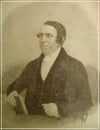
The sermon titled “Gracious God, anoint me with fresh oil!” by James Smith addresses the crucial role of the Holy Spirit in the life of a believer. Smith argues that experiencing the work of the Holy Spirit is not only vital for initial regeneration but also essential for ongoing spiritual renewal, likening the Spirit's influence to that of refreshing rain and nourishing oil. He supports his assertions through Scripture references, notably Psalm 92:10, which speaks of being anointed with fresh oil, emphasizing that this anointing symbolizes the sanctifying and sustaining presence of the Spirit. The sermon highlights the practical significance of seeking continual renewal by the Holy Spirit, as it fosters growth, joy, and strength in one's faith, enabling believers to navigate temptation and live out their identity as a royal priesthood in Christ.
“Without this anointing, we cannot reign as kings, officiate as priests, approach God as sons, or rejoice before Him as favorites.”
“We cannot go on long, or go on happily, without fresh oil.”
“He is as necessary to our souls as the vital air is to our bodies.”
“Beware of a religion without the Holy Spirit.”
The anointing of the Holy Spirit is essential for Christians, symbolizing His renewing, sanctifying, and saving operations.
Psalm 92:10, Romans 12
The truth of the Holy Spirit's work is affirmed in Scripture, which describes His active role in sanctification and empowerment for believers.
Romans 8:9-11, John 16:13-14
Being filled with the Holy Spirit is vital for Christians as it empowers them to live in accordance with God’s will and to bear fruit.
Ephesians 5:18, Galatians 5:22-23
In a Christian context, anointing refers to the Holy Spirit’s presence and empowerment for service and worship.
2 Corinthians 1:21-22, 1 John 2:20
Auto-generated transcript • May contain errors

Comments
Your comment has been submitted and is awaiting moderation. Once approved, it will appear on this page.
Be the first to comment!