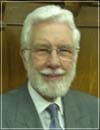
The sermon delivered by Stephen Hyde revolves around the theological topics of divine mercy, human sinfulness, and the promises of God, as illustrated in Isaiah 59:19. Hyde emphasizes the stark contrast between the persistent sinfulness of humanity and God’s unwavering readiness to save and hear prayers. He outlines the consequences of walking contrary to God and stresses that it is the iniquities of the people that have blocked their relationship with Him. He references key passages in Isaiah, especially verses highlighting God's promise to defend His people ("the Spirit of the Lord shall lift up a standard against him") and the assurance of redemption. The practical significance of this message calls believers to examine their lives, confess their sins, and seek the transformative power of God’s Spirit, reflecting core Reformed doctrines such as total depravity, the necessity of grace for salvation, and the enduring covenantal relationship between God and His people.
Key Quotes
“The Lord's hand is not shortened that it cannot save, neither is his ear heavy that it cannot hear.”
“Your iniquities have separated between you and your God, and your sins have hid his face from you that he will not hear.”
“When the enemy shall come in like a flood, the Spirit of the Lord shall lift up a standard against him.”
“What a mercy if the Lord comes and enables us, therefore, to do His will and to realize His great goodness and mercy when we see Him arising on our behalf.”
The Bible teaches that God's hand is not shortened that it cannot save, nor His ear heavy that it cannot hear (Isaiah 59:1).
In Isaiah 59:1, the prophet assures us that God is capable of salvation and attentive to our prayers. However, this promise is coupled with the sobering reality that our sins can create a barrier between us and God. Isaiah states, 'but your iniquities have separated between you and your God' (Isaiah 59:2), reminding us that while God is always ready to hear us, our disobedience can hinder our relationship with Him. Therefore, it is essential for believers to confess sins and strive to walk in His ways to maintain that vital connection.
Isaiah 59:1-2
The Spirit of the Lord is promised to raise a standard against the enemy when he comes in like a flood (Isaiah 59:19).
Isaiah 59:19 provides a profound assurance that, amid adversity, the Spirit of the Lord will stand up against the enemy. This can be understood as a declaration of God's protective power over His people. The imagery of a flood suggests an overwhelming force, yet God's assurance is that He is sovereign and will intervene on behalf of those who trust Him. This promise is not just historical; it illustrates God's ongoing care and defense for His Church, affirming that with God's Spirit, no enemy can prevail. This truth encourages believers to remain steadfast in faith, knowing they are backed by the Almighty.
Isaiah 59:19
Confession of sin restores our relationship with God, enabling us to receive His mercy and forgiveness (1 John 1:9).
Confession of sins is a critical aspect of the Christian life as it aligns with God's plan for forgiveness and restoration. In 1 John 1:9, we are promised that if we confess our sins, God is faithful and just to forgive us and cleanse us from all unrighteousness. This process is not just about admitting wrongdoing; it signifies a heartfelt acknowledgment of our need for God's grace and an essential step towards spiritual renewal. Without confession, we risk alienating ourselves from God, as Isaiah highlights how iniquities separate us from Him (Isaiah 59:2). Thus, through confession, we actively engage with God's mercy, allowing Him to heal our relationship with Him.
1 John 1:9, Isaiah 59:2
The promise that the Redeemer shall come to Zion signifies God's faithfulness in delivering His people from sin and oppression (Isaiah 59:20).
In Isaiah 59:20, the declaration that 'the Redeemer shall come to Zion' conveys a message of hope and restoration. Historically, this refers to God's commitment to His people Israel, ensuring their deliverance from captivity and sin. The term 'Redeemer' points to Jesus Christ, who fulfilled this prophecy by coming to the Jewish people to save them from their transgressions. For Christians, this promise is a reminder of God's enduring grace and assurance that He actively works to redeem and restore His followers. It's a profound assurance that no matter how far we stray, if we turn from our transgressions, God's redemption is ever present.
Isaiah 59:20
The fear of the Lord is the beginning of wisdom and is essential for knowing and doing God's will (Proverbs 9:10).
The concept of fearing the Lord is significantly rooted in a reverent acknowledgment of His holiness, sovereignty, and authority. Proverbs 9:10 states, 'The fear of the Lord is the beginning of wisdom,' indicating that true understanding and discernment stem from respecting God and His Word. For believers, fearing the Lord translates to submitting to His will and living according to His commands. This attitude fosters a deeper relationship with God and aligns our lives with His purposes. Moreover, as Isaiah conveys, when we fear the Lord, we can confidently rely on His protection and provision against adversities, recognizing His supremacy over all circumstances.
Proverbs 9:10

Comments
Your comment has been submitted and is awaiting moderation. Once approved, it will appear on this page.
Be the first to comment!