Bootstrap
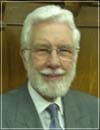
Stephen Hyde

Lovest thou me?

John 21:15
Stephen Hyde June, 28 2026 Video & Audio
0 Comments

Sermon Transcript

Auto-generated transcript • May contain errors

100%
May I please Almighty God to bless us together this evening as we meditate in His Holy Word. Let's turn to the Gospel of John, chapter 21, and we'll read the question that Jesus gave to Peter in the 15th verse. The Gospel of John, chapter 21, and we'll read verse 15.

So, when they had dined, Jesus saith to Simon Peter, Simon, son of Jonas, lovest thou me more than these? He saith unto him, Yea, Lord, thou knowest that I love thee. He said unto him, Feed my lambs. The question that the Lord asked the Apostle Peter is a very important and vital one really for everybody to consider. It's a very simple statement. And he asks and says, lovest thou me more than these? Well, it was a question put to Simon Peter. It's good if that same question is put to each one of us so that we are able to give a good and sound answer. based on what God has truly done for us and blessed us. And we know that Simon Peter was able to respond in a most positive way.

And he said, Yea, Lord, thou knowest that I love thee. And he saith unto him, Feed my lambs. Well, we may not always be able to answer such a question like that in a positive way. But if we are not able to answer it in a positive way, does it pose a question with us as to what our answer should be and what it is?

Because it is so vital that we are blessed to know that we do love the Lord Jesus Christ. You know, we have many references to the need for this in the Word of God and how important it is. In the Epistle of John, and the first epistle in the fourth chapter, we are told this, John tells us, and he says, we love him, that's referring to the Lord Jesus, because he first loved us. And that's a very wonderful and important consideration, because if we have the evidence that God has indeed loved us, then the result is that we then love God.

And it is a very vital question. I remember a good few years ago now, I was facing that question. I've been ill, or I was ill, and the great question was, do I love the Lord or no? And how important it is to be able to give a good answer. You may stand and think, well, what would I say if I was faced with that question? Do I love the Lord or no? Or in these words, lovest thou more than these? What would our response be?

Because these questions are not trivial because they are relative to the eternal state of our eternal soul. And therefore how important and relative it is for each one of us to be able to answer in the same way that the Apostle Peter did when he said, Yea, Lord, thou knowest that I love thee. It's a great blessing if God shows to us that he's loved us and our response is therefore, because we love him. Indeed, we're told it's not that we love God, but that he loved us. And it's important that we have the evidence of that. I remember on that occasion when I was ill, and I needed God to confirm to me that I did love God.

You may think, well, how was that performed? Well, it wasn't. performed in a single way of some wonderful revelation or word. But over a period, God brought to my mind words and situations which he brought upon me and into my life that confirmed that it was God's work in my heart. It wasn't something that I'd produced. It wasn't something that I could say, well, of course that's obvious. It was God's grace and God's mercy. And so gradually, I had a very clear evidence that God had loved me. And I was able to respond because of that, that I loved God.

And it's important for all of us to be able to trace out in our lives The wonderful favour that God does love us. And you know, that goes back to eternity. Right back before the world was created. To have that wonderful evidence that God has loved us. What a confirmation. of His goodness and mercy toward us, and how encouraging.

And we don't want to just carry on aimlessly in this sinful world, just assuming, well, of course, you know, my parents have been believers, and I read the Bible, and I go to chapel. All those things are good, but my friends, they're not saving, and they don't give us that confidence that God has loved us, and therefore, because of that, by His grace, we love God. It's a great mercy to have the evidence. And the Lord tells us that He will be inquired of by the House of Israel to do these things for them, to confirm to us that we are amongst those whom he has shown his wonderful favour and wonderful love. And you see, that directs us to what the Saviour has done for us on our behalf. It's not just a figment of our imagination.

It's a very positive evidence that none other than the Lord Jesus Christ came into this world for that divine purpose of saving our souls, of dying to satisfy God's holy law, to take away all our sins, so that we're able to confirm that we're clean, not because of our ability, not because of what we've done, but because of what the glorious Saviour, the Lord Jesus Christ, has done on our behalf. Well, what a mercy if God creates in our heart that conscious desire to be able to confirm in answer to that great question, lovest thou me more than these? To be able to say, as the apostle Peter did, Lord thou knowest that I love thee.

Something that you and I can't make up. We can't pretend. Because it's something so vital, it affects our eternal state. It affects where you and I will spend eternity. And that's not a trivial consideration, is it? For him, right, it says, eternity, tremendous sound. And it is. because there's no end.

And yet, if by God's grace, and it is by God's grace, his unmerited favour, he shows to us that he has loved us. He set his love upon us in eternity past and therefore it is well with our souls, eternally well. What a comfort and what a strength and what a support to us as we press on. You know, the Apostle Paul, when he wrote to the Romans and as he came to the end of that eighth chapter, which is so beautiful and how strengthening it is for us to understand and to believe.

And he tells us in verse 35, Who shall separate us from the love of Christ? Can anything He poses the question, shall tribulation, or distress, or persecution, or famine, or nakedness, or peril, or sword? As it is written, for thy sakes, we are killed all the day long. We're accounted as sheep for the slaughter. And then he says, nay, in all these things, We are more than conquerors through him that loved us. Amazing, isn't it? To think that we, as unworthy sinners, cannot be separated, as he tells us in the following verses. The last two verses in the eighth chapter of the epistle of Paul to the Romans. He says, for I am persuaded. Persuaded.

That's when God comes alongside us and persuades us from his word that neither death, nor life, nor angels, nor principalities, nor powers, nor things present, nor things to come, nor height, nor depth, nor any other creature shall be able to separate us from the love of God which is in Christ Jesus our Lord.

It's a permanent blessing. It cannot be destroyed. It cannot be done away with because it's the glorious work of the Saviour. And so he says this, we are more than conquerors. through him that loved us. What a mercy and what a blessing for poor unworthy sinners to have this confirmation that we are amongst those who our glorious Saviour has therefore loved with an everlasting love and to be able to come like the Apostle did and tell us that he was persuaded. And as the Lord may come, and enable us to trace out his goodness and mercy toward us, we shall be persuaded. And this is not our work. This is God's work. And because it's God's work, it will stand. And nothing, therefore, shall be able to separate us from this love. Because the question was, who shall separate us from the love of Christ?

Well, you can be sure that we and I will be attacked by the devil, who will try and pretend that we don't know anything about the love of Christ. Well, you can challenge the devil by pointing out to him those encouragements that we've had on life's journey.

When he's watched over us, when he's come to us, when he's encouraged us, when he's strengthened us, he's enabled us, to turn our back upon the poor things of time, and to be found looking to Him as that great and glorious salvation, and then find the wonderful evidence that we are persuaded in our heart because of the evidence that God has given to us. You know, when God gives you and me, when He takes us back in our lives and we trace out His good hand toward us.

It's a glorious evidence of His love and His favor. Because those who are not loved by their God are never able to trace out His goodness and mercy toward them. So what a wonderful blessing and what a wonderful favor it is. And therefore, faced with this question, and it's good to ask ourselves, and to test ourselves with this question, lovest thou me more than these? Well, we're not told precisely what more than these are, but it might be people, it might be things in this world, which perhaps we find drags us away from the things of God. You see, the devil is a very cunning person. and he knows what our weaknesses are, and he plays on those weaknesses in order to separate us from the love of God. But the glorious truth is, nothing shall separate us from the love of God. If we know what it is to enjoy God's love, God's love and God's mercy and God's blessing toward us.

Indeed, as again, the Apostle John tells us, we love him, why? Because he first loved us. And you can trace that back to eternity. I think that's the most glorious thing to think that Almighty God, the creator of the universe, loved us before we were born. He loved us before he created the universe. He loved us in eternity past.

It's a mystery. It's beyond our natural understanding. What a mercy if God gives to you and me faith to believe such a great and glorious truth. And I believe we are encouraged when the Lord in his love toward us draws us towards him. We see something very attractive in the Lord Jesus Christ. That's not of the flesh. If you and I are blessed with that, it's of the Spirit. Hosea, in his prophecy, draws our attention to that very clearly.

And he tells us what the Lord says, I drew them with cords of a man and with bands of love. Well, I wonder whether you and I can look into our lives and see occasions when we've been drawn to the Saviour. We've seen something wonderful, something very special, and we see it so attractive that here is a man, a real man, with wounds still gaping wide, who sits now in glory, having overcome the devil and died that sinatonian death in order to redeem our souls. Oh, it's a very glorious theme and it's worth pondering and it's worth meditating upon.

The devil doesn't like us to think upon such great and glorious truths because he gives honour and glory to God. Because it's God's work which drew us to him. And it's God's work, because of his love toward us, which drew us to him. And that's very humbling, isn't it? To think that nonetheless, then the everlasting God has drawn us to himself, has separated us to himself and looks upon us and graciously remembers us. He doesn't cast us off as a cumbra of the ground, something which is of no value. He looks upon us He blesses us and He does us good. He sets our hearts and our affections upon things above and not on things on the earth.

When the Apostle Paul wrote to the Ephesians, He wrote some very wonderful words, the Ephesians, a glorious book. And he tells us in the third chapter, wherefore I desire that ye faint not at my tribulations for you, this is the Apostle Paul, which is your glory. For this cause I bow my knees unto the Father of our Lord Jesus Christ. of whom the whole family in heaven and earth is named.

And he will grant you, according to the riches of his glory, to be strengthened with might by his Spirit in the inner man. You see, real religion is that which is within us. It's not something superficial. It's that which God does within us. and He would grant you, according to the riches of His glory, to be strengthened in might by His Spirit in the inner man. Our inner man, our new man, that new life, born again in the Spirit, that Christ may dwell in your hearts, by faith, faith of course is the gift of God, that ye being rooted and grounded in love, love of the Saviour, who gave up his place in glory to come into this sinful world in order that he might pay that sin atoning price to redeem our souls. Never underestimate the cost of our salvation.

That Christ may dwell in your hearts by faith, that you're being rooted and grounded in love. We know what is needful for a plant, isn't it? If it's going to grow, it needs a root. It needs a good root. What a blessing, therefore, if you and I have a root in spiritual things in our life.

That means that we have a good beginning, a beginning that God has given to us. And we can go back to that beginning and remind God of it and thank him for it. And so he tells us, being rooted and grounded in love, may be able to comprehend, to understand, we're all saints, what is the breadth, and length, and depth, and height. And this is the great and glorious truth, and to know the love of Christ, which passeth knowledge that you might be filled with all the fullness of God. Oh, what a great truth that is. And what a wonderful thing to desire. What a wonderful thing to pray for. And what a wonderful thing to experience and to know the love of Christ, which passes knowledge.

You see, it's supernatural. It's not of the earth. It's not a natural love. It's a spiritual love. It's between our souls and God. And it's a love which will never be lost. It's an eternal love. And it's union with the Savior that you might be filled with all the fullness of God. Well, my friends, that's a great statement, isn't it? The fullness of God is so vast. It's beyond our comprehension. But yet here we have this prayer, this desire that we might be filled with all the fullness of God. The fullness of God, of course, is comprehensive. It was from before the world was created. and it runs right in to eternity. And so the apostle Paul then concludes this third chapter with these words. Now, unto him that is able. I love those words.

He is able to do exceeding abundantly above all that we ask or think. according to the power that worketh in us. This is the God, my friends, that you and I are privileged to deal with, are privileged to come to in prayer, recognizing that he is indeed able, unto him that is able, to do exceeding abundantly. That's a very broad and comprehensive statement, isn't it? exceeding abundantly, above all that we ask or think, according to the power that worketh in us.

And then finally, the Apostle says unto him, unto him, the glorious Saviour, be glory in the church by Christ Jesus throughout all ages, world without end. Amen. This is the God that by his grace we are privileged to be able to come to. We are privileged to be able to pray unto, believing that he does hear and answer prayer and he will lead us into all truth as it is in Jesus.

All truth. The fullness of the gospel. You and I can read about it in the word of God. And it's a wonderful theme, the fullness of the gospel, because what does it do? The gospel reveals to us our hope. As the hymn writer says, my hope is built on nothing less than Jesus' blood and righteousness. That means our hope is based upon the finished work of the great and glorious Saviour. We've sung about it. His finished work. Isn't it wonderful to think that the Lord Jesus Christ completed that work that his father gave him to do? It was an enormous task.

And we must not fail to realise that Lord Jesus Christ, although of course he was God, he took upon him our form. our human nature, and He suffered as a man. It's worth pondering, isn't it? Surely what's the effect? To raise Christ up in our hearts as a most wonderful and glorious Saviour. And surely it makes us very conscious of our unworthiness of any notice. and then think that this great God has loved us with an everlasting love.

You know, we read in Jeremiah, those wonderful words in the 31st chapter and the third verse, they're very complete. The Lord hath appeared of old unto me. He's telling us, Jeremiah, what the Lord did. He appeared unto him, saying, Yea, I have loved thee with everlasting love. Therefore, with loving kindness have I drawn thee. I wonder if by God's grace we can venture to speak similar words in being faithful to what God has done. You know, the temptation is, the devil would say, well, you can never claim that because that was just your flesh. Well, as I've said to you a number of times, dear old John Warburton was wonderfully blessed on one occasion. So much so that he went aside into a field and danced in the field because of the blessing of God.

And the devil came alongside him and said, I did that. So what was the result? Woolworthson said, well, devil, if you did it, do it again. And of course he couldn't. And therefore, John Woolverton realized that what he had received did indeed generate from God. It was his work. And the devil couldn't replicate it. He may have pretended he could, but he couldn't.

And that's wonderful to know that God's work stands. God's work does not vanish away. God's work is the same yesterday and today and forever. And therefore may we indeed thank God for it. And remember what Jeremiah said, the Lord hath appeared old unto me. Again, it's good if you and I can look into our little lives and be able to say very humbly, And yet truthfully, we want to be truthful because we need to give all the honour and all the glory to God. He says, very forcefully, the Lord hath appeared of old unto me saying, yea, I have loved thee.

Personal, wasn't it? To Jeremiah. What a wonderful thing it is. if God comes to us, and shows us, and speaks to us, and tells us, yea, I have loved thee, with what? Something that's gonna come and go, no, an everlasting love. God's love is everlasting. It doesn't vanish away. It doesn't stop. It's always there. And that's not just through life, it's through eternity.

What a great blessing and what a great consideration that is. How that should rejoice our heart to believe that once in Him, we are eternally in Him. with an everlasting love, and therefore with loving kindness have I drawn thee. He drew Jeremiah. He draws us, as I've already mentioned, from those words in Hosea. And here they are really confirmed.

And what a blessing it is for us today if we have this wonderful evidence that God has loved us with an everlasting love. and with loving kindness has drawn us. Loving kindness, his goodness, his favour. We never deserved it. God did it because of his free grace. because he's always loved us from eternity past and therefore can we not come and bless him.

Well I hope tonight that we may be able to ponder these things and be able to come humbly and yet truthfully to be able to give the same answer that the Apostle Peter did when he was asked, you see it was a very direct question. Peter knew who it was to. The Lord said, Simon Peter, Simon son of Jonas, lovest thou me more than these? He saith unto him, Yea, Lord, thou knowest that I love thee. Well, may it be our wonderful favour and blessing to be able to confirm that because of God's grace, because of his mercy, because of his love, because of his favour to warn us, as we look into our heart and find there the glorious evidence that this blessed Saviour has loved us from eternity past. It's a very wonderful, great and glorious thing to think that the Almighty God who controls everything, always has done, always will, and yet has looked upon unworthy sinners of the earth like you and me. And what a blessing if it's come to us in a personal way so that we can come and say with Peter, thou knowest, Lord, thou knowest that I love thee. Amen.
Broadcaster:

Comments

0 / 2000 characters
Comments are moderated before appearing.

Be the first to comment!

0:00 0:00